
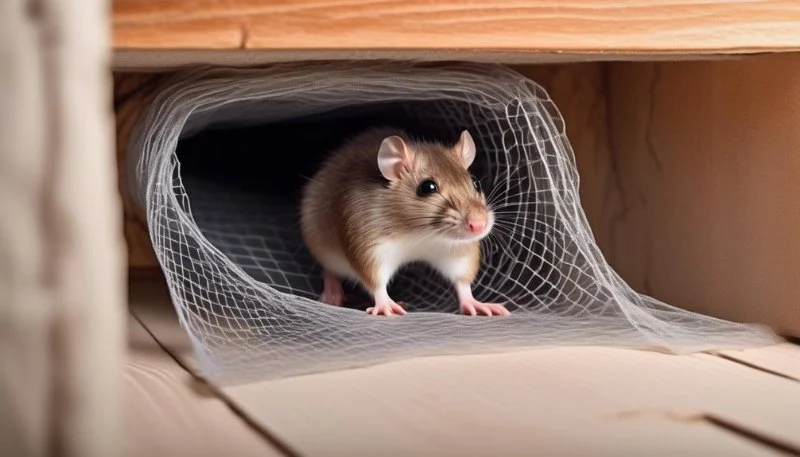
- Why Attics Are Attractive to Rodents
- Common Rodents Found in Attics
- How Crowded Attics Create Ideal Environments for Rodents
- Signs of Rodent Infestation in Your Attic
- Preventing Rodents in Your Attic
- What to Do If You Have a Rodent Infestation
Why Attics Are Attractive to Rodents
Attics are often overlooked spaces in many homes, and unfortunately, this can make them a prime target for rodents looking for shelter, food, and warmth. These areas provide a safe, undisturbed environment for rodents to nest, breed, and thrive, especially during colder months. Attics are typically quiet, secluded, and insulated, which makes them an ideal place for rodents like rats, mice, and squirrels to set up their homes.
The structure of most attics also provides easy access for rodents through small gaps, vents, and damaged roofing materials. Once inside, rodents find an abundance of insulation and hidden corners that they can use to build nests. The relative privacy and protection from predators that attics offer make them a highly attractive option for rodents seeking a secure place to live.

Common Rodents Found in Attics
There are several types of rodents that are commonly found in attics, and understanding which ones you're dealing with can help you take appropriate action. Some of the most common rodents found in attics include:

Earth Right Exterminating LLC
ChickamaugaWalker CountyGeorgia
44 Olen Thornton Lane, Chickamauga, GA 30707, USA
1. Mice
Mice are perhaps the most common rodents found in attics. They are small, agile, and able to fit through tiny openings, making it easy for them to sneak into your attic. Mice tend to nest in insulation, walls, or any other cozy spaces they can find. Their nests are often made of soft materials like cotton, paper, and insulation fibers.
2. Rats
Rats are larger than mice and are more likely to cause significant damage to your attic. They gnaw on wood, wiring, and insulation to keep their teeth from growing too long. Rats also leave droppings and urine, which can contaminate your attic and create unpleasant odors.
3. Squirrels
Squirrels are known to chew through roof vents and shingles to gain access to attics, especially during winter when they are looking for a warm place to nest. Unlike mice and rats, squirrels often enter attics from outside and can cause damage by chewing on electrical wires and insulation.
How Crowded Attics Create Ideal Environments for Rodents
Crowded attics are particularly appealing to rodents because they often offer a variety of conditions that make survival easy. Here are some of the factors that contribute to this attraction:
1. Warmth and Shelter
During the colder months, attics provide warmth and shelter. Rodents, especially in colder climates, seek out warm, dry places to escape the chill. The insulation in attics helps retain heat, making them especially attractive to rodents looking for a cozy environment to nest.
2. Availability of Food Sources
While attics are typically not a primary food source for rodents, the accumulation of stored goods, old furniture, and even crumbs can provide an easy meal. In some cases, rodents may even feed on stored pet food, grains, or food items left behind by the previous occupants.
3. Abundant Nesting Material
Insulation, wood, and other materials often found in crowded attics provide ideal nesting spots for rodents. These materials are soft and easy to manipulate, allowing rodents to create a comfortable and hidden nest where they can raise their young and feel safe from predators.
Signs of Rodent Infestation in Your Attic
If you suspect that your attic is home to rodents, there are several telltale signs to look out for:
1. Droppings and Urine
Rodents leave droppings and urine wherever they travel. Finding small, dark droppings in your attic is a strong indication that rodents are present. In addition, a strong, musky odor may suggest that rodents have been living in your attic for some time.
2. Gnaw Marks and Damage
Rodents are known to gnaw on wood, insulation, wires, and even plastic. If you notice damage to the structure of your attic or signs of chewing on materials, it's a clear sign of an infestation.
3. Noises at Night
If you hear scratching, scurrying, or squeaking noises coming from your attic at night, this is likely the sound of rodents moving around. Rodents are typically nocturnal, so this is when they're most active.
Preventing Rodents in Your Attic
Preventing rodents from entering your attic is the best way to avoid an infestation. Here are some practical steps you can take to keep your attic rodent-free:
1. Seal Entry Points
Inspect your attic and home for potential entry points, such as gaps around windows, doors, vents, and the roof. Seal any openings with steel wool, caulking, or mesh to prevent rodents from gaining access.
2. Remove Food Sources
Ensure that no food is stored in the attic. If you have stored goods in your attic, use airtight containers to keep them safe from rodents. Clean up any crumbs or debris that may attract pests.
3. Regular Inspections
Conduct regular inspections of your attic to check for any signs of rodent activity. Early detection can help prevent a full-blown infestation.
What to Do If You Have a Rodent Infestation
If you suspect that you have a rodent infestation in your attic, it’s essential to take action quickly to prevent further damage and health risks. Here are the steps to take:
1. Set Traps
Use traps to catch the rodents. Snap traps and live traps are both effective options. Be sure to place them in areas where rodents are likely to travel.
2. Call a Professional
If the infestation is severe or you're unsure how to proceed, consider calling a pest control professional. They have the experience and tools to safely remove rodents and address any damage caused.
3. Clean and Repair the Attic
After removing the rodents, thoroughly clean the attic to eliminate any odors and prevent further attraction. Repair any damage to insulation or structural components, and make sure all entry points are sealed to prevent re-entry.
For more expert advice on rodent control, visit PestControlHub for the best pest control services and products to keep your attic safe from rodents.



 Calvert Exterminators4.0 (24 reviews)
 Sellers Pest Control4.0 (28 reviews)
 Revolutionary Pest Control LLC5.0 (93 reviews)
 Next Generation Pest Control4.0 (19 reviews)
 5 Star Pest Control4.0 (40 reviews)
 Skeeter-Treaters4.0 (4 reviews)
 Natural Pest Control Methods That Are Safe for Kids and Pets
 How to Spot Pest Damage in Attic Insulation
 How to Keep Pest Control Efficient Year After Year
 How to Protect Seasonal Flower Beds from Insects: Expert Tips and Techniques
 How to Use Non-Chemical Barriers for Pest Control: Natural Solutions for Your Home
 How to Prevent Pest Spread Between Units in Apartments: Essential Tips for Apartment Residents