
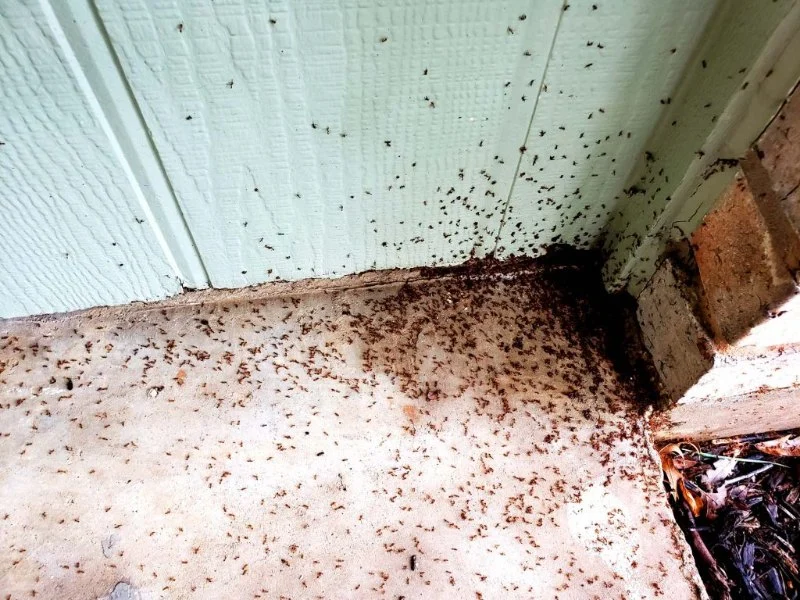
How to Deal With Pest Infestations in Basements
- Identifying Common Pests in Basements
- What Causes Pest Infestations in Basements?
- Preventive Measures for Basement Pests
- Methods to Remove Pests from Basements
- Long-Term Solutions for Basement Pest Control
1. Identifying Common Pests in Basements
Basements, being dark and often damp spaces, are prime environments for various pests to thrive. To effectively manage pest infestations, it is essential to first identify the types of pests that commonly invade basements. Some of the most common culprits include:
1.1. Rodents
Rats and mice are common basement invaders. They seek warmth, food, and shelter, making basements an ideal location. These rodents can cause damage to insulation, wires, and even structural components of your home.

1.2. Termites
Termites are silent invaders that often go unnoticed until significant damage is done. They feed on wood and can seriously damage wooden structures in basements, making early detection crucial.
1.3. Cockroaches
Cockroaches are attracted to damp, dark spaces and can be found in basements, especially if there is food or moisture present. They are known to spread bacteria and pose health risks.
1.4. Spiders
Spiders are also commonly found in basements. While most spiders are harmless, some species can be venomous. Their webs can also be unsightly and contribute to a sense of neglect.
By correctly identifying the pests in your basement, you can tailor your approach to pest control and find the most effective solutions.
2. What Causes Pest Infestations in Basements?
Understanding the root causes of pest infestations in basements can help in preventing future problems. Common causes include:
2.1. Moisture and Humidity
Basements are often damp, which creates an ideal environment for pests like termites, mold, and cockroaches. High humidity can also attract rodents seeking shelter from the cold.
2.2. Gaps and Cracks in Foundation
Pests can enter through even the smallest cracks and gaps in the foundation. These openings provide easy access for rodents, insects, and even larger pests like raccoons.
2.3. Clutter
Cluttered basements provide hiding spots for pests, making it difficult to spot an infestation until it’s too late. Piles of unused items, old furniture, and boxes are perfect hiding places for rodents and insects.
Identifying and addressing these causes is the first step in preventing pests from taking over your basement.
3. Preventive Measures for Basement Pests
Taking proactive measures to prevent pests from invading your basement is the most effective way to avoid infestations. Consider implementing these strategies:
3.1. Seal Gaps and Cracks
Inspect the foundation and walls for cracks, gaps, or holes. Sealing these openings with caulk or foam can prevent pests from entering. Pay special attention to areas around pipes, vents, and windows.
3.2. Control Moisture
Reducing moisture is key to keeping pests away. Use a dehumidifier in the basement to control humidity levels. Repair leaks promptly and consider using moisture barriers or waterproofing solutions if necessary.
3.3. Declutter the Basement
Keeping your basement clean and organized will discourage pests from settling in. Store items in sealed plastic containers instead of cardboard boxes, and avoid leaving old furniture or piles of clutter in the space.
3.4. Regular Cleaning
Frequent cleaning can help you spot potential problems before they become severe. Sweep and vacuum the floors, remove any food scraps, and keep surfaces clean to discourage pests from settling in.
4. Methods to Remove Pests from Basements
If you already have a pest infestation in your basement, there are several methods you can use to remove them:
4.1. Traps
For rodents, traps are one of the most effective methods. Snap traps, live traps, and electronic traps can all help catch rodents. Be sure to check traps regularly and dispose of the captured pests humanely.
4.2. Baits and Pesticides
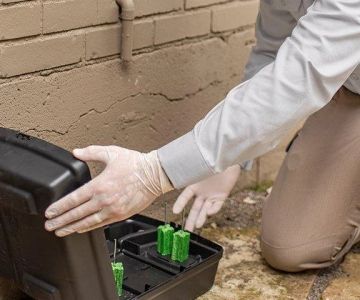
For insects like cockroaches and termites, baits or pesticides can be used to control the population. Always follow the manufacturer’s instructions carefully when using chemical treatments, and consider natural alternatives if you prefer a more eco-friendly approach.
4.3. Professional Pest Control
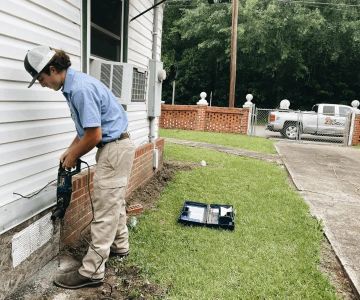
If the infestation is severe or if you’re unable to handle the problem yourself, hiring a professional pest control service is a reliable option. Pest control experts have the tools and expertise to eliminate pests efficiently and safely.
5. Long-Term Solutions for Basement Pest Control
While short-term solutions can help manage pest problems, long-term pest control is essential for keeping your basement pest-free. Here are some strategies for ongoing prevention:
5.1. Regular Inspections
Conduct regular inspections of your basement to check for any new signs of pests. This proactive approach allows you to catch problems early before they escalate into full-blown infestations.
5.2. Continuous Moisture Control
Maintaining low humidity and ensuring proper ventilation in the basement are essential for long-term pest control. Keep moisture levels in check, and invest in high-quality dehumidifiers and moisture barriers if necessary.
5.3. Routine Cleaning
Make basement cleaning a routine task. Regularly sweep, mop, and declutter your basement to keep it pest-free. An organized and clean space is much less attractive to pests.
By following these long-term strategies, you can maintain a pest-free basement and avoid the hassle of recurring infestations.



 Calvert Exterminators4.0 (24 reviews)
 Sellers Pest Control4.0 (28 reviews)
 Revolutionary Pest Control LLC5.0 (93 reviews)
 Next Generation Pest Control4.0 (19 reviews)
 5 Star Pest Control4.0 (40 reviews)
 Skeeter-Treaters4.0 (4 reviews)
 Natural Pest Control Methods That Are Safe for Kids and Pets
 How to Spot Pest Damage in Attic Insulation
 How to Keep Pest Control Efficient Year After Year
 How to Protect Seasonal Flower Beds from Insects: Expert Tips and Techniques
 How to Use Non-Chemical Barriers for Pest Control: Natural Solutions for Your Home
 How to Prevent Pest Spread Between Units in Apartments: Essential Tips for Apartment Residents