
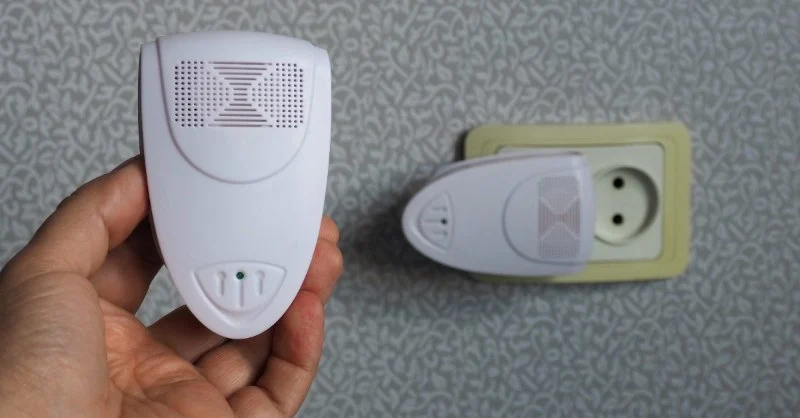
How to Use Smart Pest Detectors in Basements
- 1. Why You Need Smart Pest Detectors in Your Basement
- 2. How Smart Pest Detectors Work
- 3. Choosing the Right Smart Pest Detector for Your Basement
- 4. Setting Up and Using Smart Pest Detectors
- 5. Maintaining Your Smart Pest Detectors
- 6. Case Study: Smart Pest Detectors Solving a Basement Pest Problem
1. Why You Need Smart Pest Detectors in Your Basement
Basements are one of the most vulnerable areas of the home when it comes to pests. The dark, damp, and often undisturbed environment provides the perfect habitat for various pests such as rodents, insects, and mold. These pests can cause significant damage to your property and create health risks due to contamination and allergens. Traditional pest control methods may not always be enough to prevent infestations, especially in hard-to-reach areas like basements.
Smart pest detectors offer a modern solution to this problem. These advanced devices can detect pests early on, giving you the ability to respond quickly before an infestation becomes a serious issue. By incorporating smart technology into your pest control routine, you can maintain a healthier, pest-free basement.

2. How Smart Pest Detectors Work
Smart pest detectors use a combination of sensors and advanced algorithms to identify the presence of pests in your basement. These devices are equipped with various detection methods, including:
- Motion Sensors: Detect movement within a specific area. This is useful for identifying rodents or larger pests like raccoons or squirrels.
- Sound Detection: Some detectors can pick up sounds made by pests, such as rodents gnawing or scurrying. This feature is particularly effective for detecting hidden pests.
- Temperature and Humidity Sensors: Since many pests thrive in specific temperature and humidity conditions, these sensors can help identify the ideal environment for pests, allowing for proactive measures.
- CO2 Detection: Certain detectors can detect increased levels of carbon dioxide, which is often emitted by rodents and other pests as they breathe.
These detectors are connected to a smartphone app or a smart home system, providing real-time alerts and data on pest activity. This integration allows homeowners to monitor their basements continuously, even when they are not at home.
3. Choosing the Right Smart Pest Detector for Your Basement
When selecting a smart pest detector for your basement, it’s important to consider several factors to ensure you pick the right one for your needs:
- Type of Pests: Identify the most common pests in your area. Some detectors are more effective at detecting rodents, while others focus on insects like termites or ants.
- Size of the Basement: The size of your basement will determine the range and number of detectors you need. Larger basements may require multiple units for full coverage.
- Power Source: Consider whether the detector is battery-powered or rechargeable, and how long the battery lasts. A device that’s constantly running out of power may not be reliable for continuous monitoring.
- Integration with Other Smart Devices: If you have other smart home systems, such as smart thermostats or security cameras, it may be beneficial to choose a pest detector that integrates seamlessly with these devices.
- Price and Features: Prices can vary depending on the technology used in the detectors. Compare different models and features to find one that fits your budget while meeting your pest detection needs.
4. Setting Up and Using Smart Pest Detectors
Once you’ve selected the right smart pest detector for your basement, setting it up and using it effectively is essential. Follow these simple steps to get started:
- Install the Device: Place the smart pest detector in areas where pests are likely to be active, such as near corners, along walls, or near possible entry points like vents or cracks. Ensure that the device has a clear line of sight to detect movement.
- Connect to Your Smart System: Most smart pest detectors connect to your smartphone app or smart home system via Wi-Fi or Bluetooth. Follow the manufacturer’s instructions to set up the connection.
- Set Alerts: Customize your alert preferences to receive notifications when the device detects pests. You can usually set up alerts for specific pest types or activity levels.
- Monitor the Data: Use the app to regularly check the data collected by the device. This can help you identify patterns of pest activity and determine when further action is needed.
By following these steps, you can ensure that your smart pest detector is effectively monitoring your basement for potential infestations.
5. Maintaining Your Smart Pest Detectors
Maintaining your smart pest detectors is crucial to ensuring their longevity and effectiveness. Here are some key maintenance tips:
- Regular Cleaning: Keep the device clean and free from dust or debris, which can interfere with its sensors. Use a soft cloth and mild cleaning solution to wipe down the device.
- Battery Replacement: Check the battery levels regularly and replace them as needed to ensure continuous operation. Some devices may also have a low-battery alert feature.
- Software Updates: Make sure the app and device firmware are up-to-date to take advantage of new features and improvements.
By properly maintaining your smart pest detectors, you can extend their lifespan and keep your basement free from pests year-round.
6. Case Study: Smart Pest Detectors Solving a Basement Pest Problem
Take the example of the Roberts family, who were dealing with an increasing number of rats in their basement. Despite using traditional traps and methods, the problem persisted. They decided to invest in a smart pest detector, which immediately alerted them to the presence of rats during the night. By analyzing the data, they were able to identify the exact entry point where the rats were getting into the basement. With this information, they sealed the entry point and used targeted pest control measures, successfully resolving the issue.
This case shows how smart pest detectors can provide valuable insights into pest behavior and help homeowners take informed actions to address infestations effectively.



 Trappy's Wildlife Control5.0 (59 reviews)
 Chagrin Valley Pest Control5.0 (1 reviews)
 American Pest Professionals4.0 (900 reviews)
 Massey Services4.0 (1971 reviews)
 Frontline Pest and Termite of Richmond5.0 (601 reviews)
 Bed Bugs Heat Pro4.0 (15 reviews)
 How to Control Pests Without Pesticides
 How to Use Traps in Crawlspaces Safely: A Comprehensive Guide
 How to Control Fire Ants in Your Yard: Effective Solutions and Tips
 How to Stop Fruit Flies from Taking Over Your Kitchen
 How to Control Pests in Crawl Space Vents
 How to Deal With Pest Pressures Near Water Bodies