How to Use Low-Toxic Sprays Safely
- 1. Safe Application Practices
- 2. Understanding Low-Toxic Sprays
- 3. Choosing the Right Low-Toxic Spray
- 4. Common Mistakes to Avoid
- 5. When to Seek Professional Help
1. Safe Application Practices
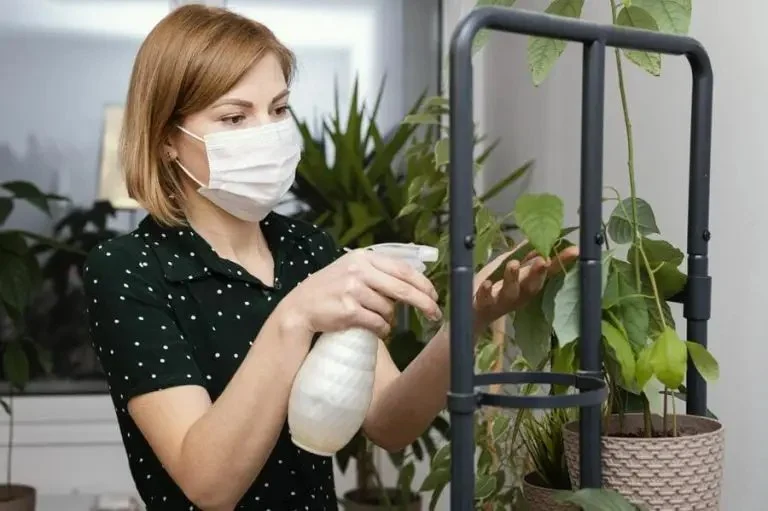
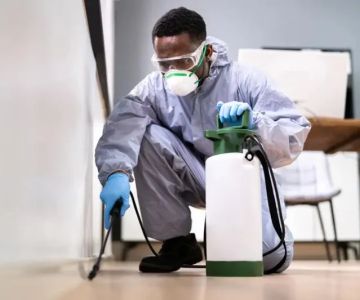
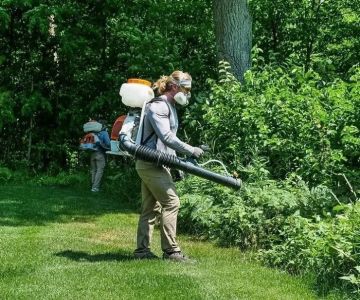
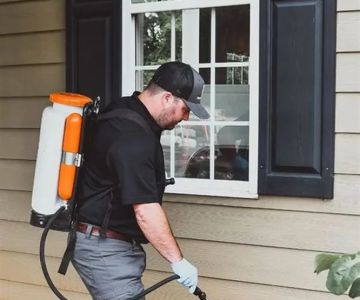
Using low-toxic sprays safely begins with understanding the proper techniques for application. While these products are designed to be safer than traditional pesticides, misuse can still pose risks. Always follow the manufacturer's instructions, wear protective gloves, and ensure good ventilation during application. Avoid spraying in areas with heavy foot traffic, especially if you have young children or pets.

Lanier Exterminating Service Inc
5905 Steeplechase Blvd STE 800, Cumming, GA 30040, USA
2. Understanding Low-Toxic Sprays
Low-toxic sprays, also known as non-toxic pest control products, are designed to control pests without the harmful chemicals found in traditional pesticides. They rely on natural ingredients or less harmful synthetic compounds to keep your home safe from insects and rodents. While these sprays are safer, they still require responsible usage to ensure the well-being of everyone in the household.

3. Choosing the Right Low-Toxic Spray
Not all low-toxic sprays are created equal. Some are more effective for certain pests, while others may be gentler on the environment or less likely to irritate sensitive individuals. It's important to choose a product that fits the specific needs of your home. For instance, if you're dealing with ants, look for sprays designed specifically for ant control. Products with essential oils like peppermint or lavender can be effective and environmentally friendly. For best results, consider researching user reviews or visiting trusted sources like PestControlHub for recommendations on top-rated low-toxic sprays.
4. Common Mistakes to Avoid
Even though low-toxic sprays are safer, there are still several common mistakes that users make. One of the biggest errors is over-spraying. Just because a spray is low-toxic doesn't mean it can be used excessively without consequences. Over-spraying can lead to a buildup of chemicals in your home, affecting air quality and potentially harming the environment. Another mistake is ignoring the specific application guidelines. Always pay attention to the area and timing of the application to maximize the spray's effectiveness and safety.
5. When to Seek Professional Help
While low-toxic sprays can be effective for many minor pest problems, some situations require professional intervention. If you're dealing with a large infestation, or if you're unsure which spray to use, it's a good idea to contact a pest control expert. A trained professional can assess the situation, recommend the most appropriate solutions, and ensure that any treatments are applied safely. Remember, safety should always be your top priority.
 Eeeraticate0.0 (0 reviews)
 Native Shield Organic Mosquito & Deer Control5.0 (10 reviews)
 Ajax Environmental Solutions0.0 (0 reviews)
 Houchins Pest Control Service4.0 (9 reviews)
 MissionGreen Services, Inc.4.0 (289 reviews)
 Get'm Pest Control & Exterminator In Jersey City5.0 (115 reviews)
 How Tree Limbs and Shrubs Can Invite Pests
 How to Identify Pest Hotspots in Your Home
 How to Keep Pests Out of Roof Overhangs – Effective Tips and Solutions
 How to Plan Pest Control in Subdivisions: Effective Strategies for Managing Pests
 How to Prevent Pest Spread Between Units in Apartments: Essential Tips for Apartment Residents
 How to Inspect for Pests Around Plumbing Lines: A Step-by-Step Guide