
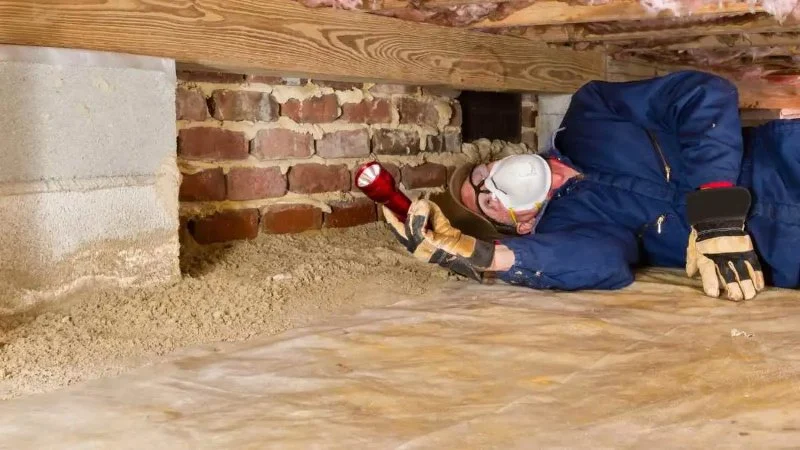
1. Understanding the Risks of Rodents in Crawl Spaces
Crawl spaces are common entry points for rodents, as they provide easy access to the interior of your home. While these spaces are often out of sight, the dangers posed by rodents in these areas should not be underestimated. Rodents, such as rats and mice, can cause significant damage to your home and pose health risks to your family.
Rodents are known to chew through wiring, insulation, and even wood, leading to costly repairs. Additionally, rodents are carriers of diseases like Hantavirus, leptospirosis, and salmonella. Their droppings and urine can contaminate air quality and surfaces, further increasing the risk of illness. That’s why regular inspection of crawl spaces is essential to detect rodent problems early and prevent severe damage.
All Natural Pest Control Solutions
TeaneckBergen CountyNew Jersey
780 Grange Rd, Teaneck, NJ 07666, USA
2. How to Identify Signs of Rodents in Crawl Spaces
Detecting a rodent infestation in your crawl space early is crucial for managing the issue before it worsens. Here are some signs to look for:
- Droppings: Rodent droppings are often one of the first signs of an infestation. They can be found near food sources or along their travel routes. Rodent droppings are typically small, dark, and cylindrical in shape.
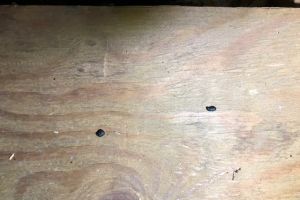
- Gnaw Marks: Rodents have strong teeth that they constantly need to gnaw on to keep them trimmed. If you notice chew marks on wood, wiring, or insulation in your crawl space, this could indicate an active rodent problem.
- Footprints or Fur: Look for tracks or fur left behind by rodents as they move around the crawl space. These signs are often found in dusty or damp areas where rodents frequently travel.
- Noises: If you hear scratching or scurrying sounds from inside the walls or floorboards, especially at night, it may be a sign of rodents moving in your crawl space.
- Odor: A strong, musky odor can be an indication of a rodent infestation. This smell comes from their urine, droppings, or even decomposing rodents.
3. Step-by-Step Guide to Inspecting Crawl Spaces
Inspecting your crawl space for rodents involves a few key steps to ensure you cover all areas where rodents may be present. Here's a step-by-step guide to help you inspect effectively:
- Safety First: Before entering your crawl space, make sure to wear protective gear, including gloves, a dust mask, and sturdy shoes. This will help you avoid coming into contact with harmful debris, droppings, or pests.
- Inspect the Entry Points: Begin by inspecting the access point to your crawl space. Check for cracks, holes, or gaps in the foundation, vents, or doorways where rodents might enter. Seal any potential entry points with steel wool or caulk to prevent further access.
- Check for Signs of Rodents: Carefully examine the floor, walls, and insulation for signs of rodent activity. Look for droppings, gnaw marks, or nests made from shredded material. Rodents may also create burrows in the insulation or dirt under your home.
- Inspect the Ductwork and Wiring: Check around the ducts and wiring in the crawl space, as these are common areas for rodents to chew. Look for visible damage or chewed wires, which could pose a fire hazard.
- Examine the Ventilation: Ensure that the crawl space is well-ventilated. Poor ventilation can attract rodents and create the perfect environment for an infestation. Check vents for blockages and ensure they are functioning properly.
Once you've completed your inspection, be sure to take note of any signs of rodent activity. If you find evidence of an infestation, it’s important to address it promptly.

4. How to Prevent Rodent Infestations in Crawl Spaces
Prevention is the best strategy when it comes to avoiding rodent infestations in crawl spaces. Here are some tips to keep rodents out of your home:
- Seal Entry Points: Ensure all cracks and gaps in your home’s foundation, around pipes, and vents are properly sealed. Use steel wool, caulk, or hardware cloth to seal any openings large enough for rodents to squeeze through.
- Maintain Cleanliness: Keep your crawl space clean and free of debris, food, and standing water. Rodents are attracted to areas with easy access to food and water sources.
- Install Rodent Barriers: Consider installing rodent barriers around the perimeter of your home to prevent entry. This could include physical barriers, like metal mesh, or rodent-repelling plants like peppermint.
- Regular Inspections: Conduct routine inspections of your crawl space, especially if you live in areas prone to rodent activity. Regular checks can help catch issues before they become large infestations.
5. When to Seek Professional Help for Rodent Problems
If you're dealing with a significant rodent infestation or if your efforts to remove them from the crawl space aren’t successful, it may be time to call in a professional pest control company. Pest control experts have the tools, experience, and knowledge to effectively eliminate rodents and prevent future infestations.
Additionally, professionals can help identify hidden infestations that may not be obvious during a DIY inspection and can offer long-term solutions to keep your home rodent-free.
6. Where to Find Rodent Control Supplies
If you prefer to handle rodent control on your own, PestControlHub offers a wide range of products to help you get the job done. From traps and baits to sealing materials and repellents, PestControlHub has the tools you need to manage rodent problems in your crawl space and throughout your home. Visit their website to find the right products for your needs and ensure a rodent-free home.

 Aurora Pest Control Co5.0 (3 reviews)
 Southern Wildlife and Bat Control4.0 (99 reviews)
 Viking Pest Control3.0 (2 reviews)
 Cook's Pest Control4.0 (230 reviews)
 Black Dog Pest Solutions5.0 (597 reviews)
 Jones Pest Control Inc.4.0 (32 reviews)
 How to Block Rodent Access Around Foundations
 How to Prevent Pest Intrusion in Seasonal Homes: Effective Tips and Solutions
 How to Inspect for Pests After Heavy Rain
 How to Prevent Pest Issues During Home Staging | PestControlHub
 How to Inspect for Pests Around Plumbing Lines: A Step-by-Step Guide
 How to Control Pests in Crawl Spaces: Effective Methods for a Pest-Free Home