- 1 - Understanding Pest Liability in Real Estate
- 2 - Common Pests and Their Risks
- 3 - Pre-Purchase Inspections and Assessments
- 4 - Contractual Protections and Disclosures
- 5 - Preventive Measures and Property Management
- 6 - Professional Resources and PestControlHub
1 - Understanding Pest Liability in Real Estate
Pest liability in real estate refers to the legal and financial responsibility associated with pest infestations in properties. Buyers, sellers, and investors can face significant risks if infestations are discovered after a transaction. Understanding the scope of liability is critical for protecting investments and avoiding costly remediation.

Rose Pest Solutions Grand Rapids
2600 Sanford Ave SW, Grandville, MI 49418, USA
1.1 Why Pest Liability Matters
Infestations such as termites, rodents, or carpenter ants can lead to structural damage, decreased property value, and health hazards. A real estate investor in Florida learned this the hard way when undisclosed termite damage required $15,000 in repairs after closing.
1.2 Parties Affected by Pest Liability
Both buyers and sellers can be affected. Sellers may face disclosure requirements and legal claims if infestations were known but not reported. Buyers risk unexpected expenses and long-term property damage if proper inspections are skipped.
2 - Common Pests and Their Risks
Identifying high-risk pests is the first step in mitigation.
2.1 Termites
Termites are one of the most destructive pests in the U.S., causing structural damage to wood frameworks. Early detection through professional inspections is essential.
2.2 Rodents and Small Mammals
Rats and mice not only damage wiring and insulation but also pose health risks. A Chicago homeowner found significant rodent nesting in an attic that was missed during the initial inspection.
2.3 Carpenter Ants and Wood-Boring Insects
These insects can compromise wooden structures over time. Proper evaluation and ongoing monitoring are crucial for long-term property integrity.
3 - Pre-Purchase Inspections and Assessments
Conducting thorough inspections before finalizing a deal is the most effective mitigation strategy.
3.1 Hire Licensed Pest Inspectors
Professional inspectors assess signs of infestations, moisture problems, and potential vulnerabilities. In California, a buyer avoided a $25,000 termite remediation by hiring a licensed inspector recommended by PestControlHub.
3.2 Evaluate Property History
Request previous pest control records and treatment histories. Past infestations or ongoing treatment plans provide valuable insights for risk assessment.
3.3 Document Findings
Maintain detailed inspection reports and photographs. These documents are crucial for negotiating repairs, credits, or contract contingencies.
4 - Contractual Protections and Disclosures
Legal measures in contracts reduce exposure to pest liability.
4.1 Pest Inspection Contingencies
Include clauses allowing buyers to request remediation or cancel the deal if significant infestations are found.
4.2 Seller Disclosures
Sellers are typically required to disclose known pest issues. Transparent disclosure prevents legal disputes and protects both parties.
4.3 Negotiation Strategies
Negotiate repair credits, professional treatment guarantees, or extended warranties to mitigate risks. A Miami investor successfully reduced liability costs by negotiating a pest treatment escrow hold during closing.
5 - Preventive Measures and Property Management
Ongoing property management reduces future liability.
5.1 Regular Maintenance
Seal entry points, maintain gutters, and reduce moisture around foundations. Routine inspections detect early infestations before they escalate.
5.2 Scheduled Treatments
Implement regular preventive pest control treatments. Professional services, guided by platforms like PestControlHub, help maintain long-term property health.
5.3 Tenant Education
For rental properties, educate tenants on reporting pests and maintaining cleanliness. Early reporting prevents minor issues from becoming costly problems.
6 - Professional Resources and PestControlHub
Access to expert guidance and trusted services enhances mitigation efforts.
6.1 Connect with Licensed Professionals
PestControlHub provides listings of licensed pest control companies and inspectors across the U.S., ensuring reliable assessments and treatments.
6.2 Access Educational Materials
Learn about common pests, mitigation strategies, and legal considerations with guides and tutorials. This knowledge helps buyers, sellers, and investors make informed decisions.
6.3 Tools for Risk Management
Use PestControlHub to schedule inspections, obtain service estimates, and track property pest history. These tools support proactive management and reduce liability exposure in real estate deals.


 Clear Pest Environment, LLC5.0 (4 reviews)
 Wolverine Pest Services4.0 (56 reviews)
 Behm's Pest Control, Inc.4.0 (188 reviews)
 Amenta Pest Management4.0 (31 reviews)
 D&G Natures Way Lawn Care4.0 (1708 reviews)
 Orkin4.0 (314 reviews)
 How to Use Non-Chemical Barriers for Pest Control: Natural Solutions for Your Home
 How to Monitor Pest Return After Rainy Seasons
 How to Address Pest Issues in Spring Planting – Practical Solutions for Gardeners
 How to Use Barrier Treatments in Floor Joints
 How to Seal Pest Entry Around Utility Penetrations
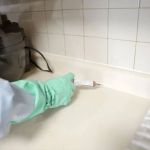 How to Seal Entry Points Before Winter: Essential Tips for Home Protection