
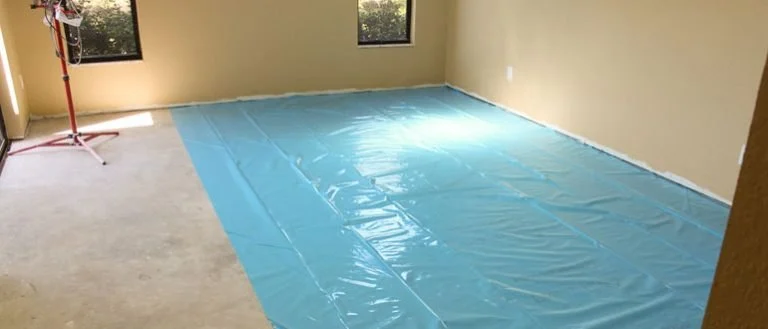
The Importance of Barrier Treatments in Floor Joints
Floor joints are critical areas in any building structure, where different materials meet and where moisture, pests, and debris can easily accumulate. Without proper protection, these joints can become weak points in your home, leading to a range of issues such as water damage, mold growth, and pest infestations. This is where barrier treatments come into play. Barrier treatments for floor joints provide a vital protective layer, sealing gaps and preventing unwanted elements from entering the structure.
Barrier treatments not only protect against moisture and pests but also contribute to the overall structural integrity of the floor. They help maintain a clean and dry environment beneath the floor, preventing wood rot, corrosion in metal parts, and damage to the flooring materials. In addition, by keeping pests like ants, termites, and rodents away, barrier treatments ensure a healthier living space.
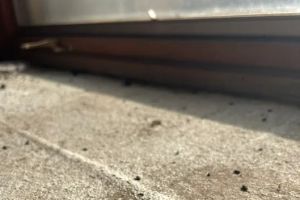
Types of Barrier Treatments for Floor Joints
There are several different types of barrier treatments available for floor joints, each designed to address specific concerns such as moisture control, pest prevention, and durability. The most common barrier treatments include:
- Moisture Barriers: These treatments prevent the ingress of water, which can cause swelling, warping, and mold growth. Common moisture barrier products include plastic sheeting, vapor barriers, and liquid-applied membranes. These are ideal for areas prone to humidity or where floors are susceptible to water damage.
- Sealants and Caulking: Sealants, often made of silicone or polyurethane, are applied to floor joints to create a tight seal. These materials are highly effective in preventing both moisture and air infiltration. They are often used in combination with other barriers to ensure complete protection.
- Pest-Repellent Barriers: For homes at risk of pest infestations, specialized treatments are available that combine barrier properties with pest-repellent chemicals. These treatments are designed to keep pests like termites and rodents from entering through the floor joints.
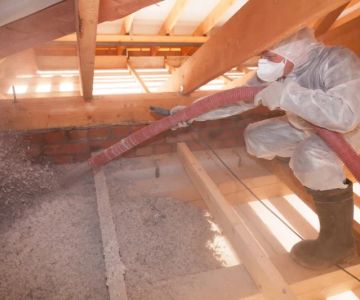
- Foam Barriers: Expanding foam is another popular option for sealing floor joints. This product expands to fill gaps and cracks, providing an airtight and water-resistant barrier. It’s especially effective for irregular or uneven floor joints.
How to Apply Barrier Treatments in Floor Joints
Applying barrier treatments in floor joints requires careful preparation and attention to detail. Here’s a step-by-step guide on how to properly treat your floor joints:
- Clean the Area: Before applying any barrier treatment, it’s important to clean the floor joints thoroughly. Remove dirt, dust, debris, and any old sealant. If moisture has accumulated, dry the area completely to ensure the barrier will adhere properly.
- Choose the Right Barrier Treatment: Based on your specific needs—whether you are protecting against moisture, pests, or both—choose the appropriate barrier treatment. If you are unsure, consider consulting with a professional to determine which treatment is best for your situation.
- Apply the Barrier: Follow the manufacturer’s instructions for applying the chosen treatment. If using a liquid membrane or sealant, apply it evenly to the joints using a brush or roller. For foam barriers, inject the foam directly into the joints, allowing it to expand and fill all gaps.
- Allow for Curing: Depending on the treatment used, allow the barrier to cure properly before putting the floor to regular use. This could take anywhere from a few hours to a couple of days, depending on the type of product applied.
Real-Life Examples of Successful Barrier Treatments
Many homeowners and contractors have found success in using barrier treatments to protect floor joints. One example comes from a homeowner in Florida, who used a combination of moisture barriers and sealants in their basement to prevent mold and mildew growth. After applying a high-quality liquid-applied membrane and silicone sealant, they reported significant improvements in moisture control, keeping the basement dry and free from musty odors.
In another case, a family in California opted for a pest-repellent barrier treatment after discovering signs of termites near their wooden floor joints. By applying an eco-friendly, pest-repellent foam barrier, they were able to keep termites at bay, protecting their home from costly structural damage.
Biotech Termite & Pest Control - Commercial & Residential Exterminators
New YorkNew York CountyNew York
1350 6th Ave, New York, NY 10019, USA
Common Challenges and Solutions for Floor Joint Treatments
While barrier treatments offer many benefits, there are also challenges that homeowners may face when applying them. Some of the common challenges include:
- Uneven Joints: Floor joints that are uneven or irregular can make it difficult to apply a uniform barrier. In these cases, expanding foam or caulking can provide a good solution as it can fill gaps and hard-to-reach areas effectively.
- Moisture Accumulation: In areas with high humidity, it can be challenging to keep the joints dry during application. To solve this, use moisture-resistant treatments like vapor barriers that are specifically designed to handle high humidity environments.
- Improper Application: Applying the wrong product or failing to follow the instructions properly can result in ineffective barrier treatments. Always ensure that you use the correct materials and techniques for the job, and don’t hesitate to ask for professional help if necessary.
The Long-Term Benefits of Barrier Treatments
Investing in barrier treatments for floor joints brings long-term advantages. Some key benefits include:
- Enhanced Durability: Properly sealed and protected floor joints are less likely to suffer from water damage, pest infestations, or wear and tear. This prolongs the life of your floors and reduces maintenance costs.
- Improved Indoor Air Quality: By preventing moisture buildup and pest infiltration, barrier treatments help maintain a clean, healthy indoor environment free from mold, mildew, and allergens.
- Cost Savings: While barrier treatments involve an initial investment, they can save you money in the long run by preventing costly repairs related to water damage, mold growth, or pest control.
For more tips on how to protect your home with barrier treatments and other pest control solutions, visit PestControlHub for expert advice and product recommendations.

 Outdoor Pest Control Solutions0.0 (0 reviews)
 Rye Exterminators5.0 (1 reviews)
 Precision Grounds Management LLC5.0 (56 reviews)
 Compass Pest Management4.0 (83 reviews)
 Expert Pest Management Inc.4.0 (52 reviews)
 BugBuster Inc.4.0 (13 reviews)
 How to Choose Between Different Pest Control Methods: A Complete Guide
 How to Address Pest Issues in Spring Planting for Healthy Gardens
 How to Deal With Pest Issues Near Pools – Effective Control Tips
 How Landscaping Mulch Types Affect Pest Attraction – Tips for a Pest-Free Yard
 How to Safely Use Heat Treatments for Bed Bugs
 How to Use Tamper-Resistant Bait Stations: A Guide for Effective Pest Control