- Why Are Wasps Attracted to Outdoor Seating?
- Common Signs of Wasps Around Outdoor Seating
- Effective Methods to Keep Wasps Away from Outdoor Seating
- Natural Wasp Repellents for Outdoor Spaces
- When to Call Pest Control for Wasp Problems
Why Are Wasps Attracted to Outdoor Seating?
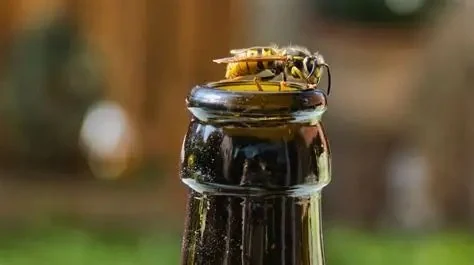
Wasps are often drawn to outdoor areas, especially during warmer months when people are likely to spend more time outside. Outdoor seating areas provide the perfect environment for wasps to forage for food, build nests, and establish their presence. Wasps are particularly attracted to sugary foods, open drinks, and even the sweet fragrances of flowers, which can be abundant in your garden or patio area.
Another reason why wasps are commonly found around outdoor seating is their need for water. Puddles and small water sources, like fountains or even spilled drinks, can be a perfect habitat for them to visit. Additionally, wasps are known to build nests in sheltered areas, such as under eaves, furniture cushions, or even in the ground. All of these factors combined make your outdoor space an ideal setting for wasp activity.
Team Veterans Pest Control
SummervilleBerkeley CountySouth Carolina
608 Spanish Wells Rd, Summerville, SC 29486, USA
Common Signs of Wasps Around Outdoor Seating
Wasps are relatively easy to spot, but it’s important to recognize the signs early to prevent a full infestation. Here are some common signs that you may have a wasp problem around your outdoor seating:
- Frequent Wasp Activity: If you notice multiple wasps flying around your outdoor seating area or hovering near food or drinks, it could indicate they are scouting for food or a place to build a nest.
- Visible Nests: Wasps tend to build their nests in protected, sheltered areas, such as under tables, chairs, or in nearby trees. If you spot a nest, take action quickly to avoid the wasps becoming more aggressive.
- Agitated Behavior: If wasps are flying close to people and seem particularly agitated or aggressive, they may be defending their nest. This is a clear sign that there is likely a nest nearby.
Effective Methods to Keep Wasps Away from Outdoor Seating
Keeping wasps away from your outdoor seating area requires a combination of prevention, repellent techniques, and sometimes, the help of pest control services. Here are some effective methods you can use:
- Remove Food Sources: Wasps are attracted to sugary foods, meats, and drinks. Always clean up food and drink spills immediately after eating or drinking outdoors. If you’re having a barbecue or a picnic, keep food covered when not in use.
- Seal Potential Nesting Areas: Inspect your outdoor seating area for potential nesting sites. Close any gaps or cracks in walls, under furniture, or in garden sheds where wasps may try to build their nests.
- Use Wasp Traps: Wasp traps are a simple and effective way to reduce wasp numbers around your seating area. These traps use attractants to lure wasps into a container where they cannot escape. Place them away from the main seating area to keep wasps distracted.
- Install a Wasp Deterrent: Hanging a decoy wasp nest or using essential oil sprays such as peppermint oil or eucalyptus can act as deterrents. Wasps are territorial and may avoid areas where they perceive other wasps have already established a nest.
Natural Wasp Repellents for Outdoor Spaces
If you prefer a more natural approach to keeping wasps away, several DIY methods can be both effective and eco-friendly. Here are some natural wasp repellents you can try:
- Essential Oils: Wasps dislike strong-smelling oils like peppermint, citronella, or eucalyptus. Mix a few drops of these oils with water in a spray bottle and mist the area around your seating space. This will make the environment unappealing to wasps.
- Cucumber Slices: Wasps are repelled by the scent of cucumber. Placing cucumber slices around your seating area can help keep wasps at bay while adding a refreshing touch to your space.
- Herb Pots: Certain herbs, such as basil, thyme, and mint, are known to repel wasps. Growing these herbs in pots near your seating area can serve as a natural deterrent and add beauty to your garden.
When to Call Pest Control for Wasp Problems
While many methods can be effective in keeping wasps away from your outdoor seating area, there are times when it’s best to call in professional help. If you notice a large nest or aggressive wasp behavior, it’s important to avoid attempting to handle the situation yourself. Wasps can become very territorial, and disturbing their nest may lead to painful stings or allergic reactions. In such cases, it’s safest to contact a professional pest control service.
At PestControlHub, we offer a range of products and services to help you effectively manage and prevent wasp infestations. Whether you need traps, repellents, or professional assistance, we can provide you with the right solutions to keep your outdoor spaces comfortable and safe.
 Terminix4.0 (43 reviews)
 Marriott Termite and Pest Control5.0 (11 reviews)
 Terminix4.0 (1520 reviews)
 Integrated Pest Services4.0 (24 reviews)
 Lonesome Pine Exterminating5.0 (3 reviews)
 Presto-X Pest Control5.0 (49 reviews)
 How to Spot Pest Damage in Attic Insulation
 How to Seal Entry Points Around Piping: Effective Methods for Home Protection
 How to Block Pest Entry in Retaining Walls: Effective Solutions
 How to Reduce Pest Attraction Through Landscaping
 How to Keep Crawlspaces Dry and Pest-Free: Essential Tips
 How to Evaluate Pest Return Risk Over Time: Key Factors and Tips