
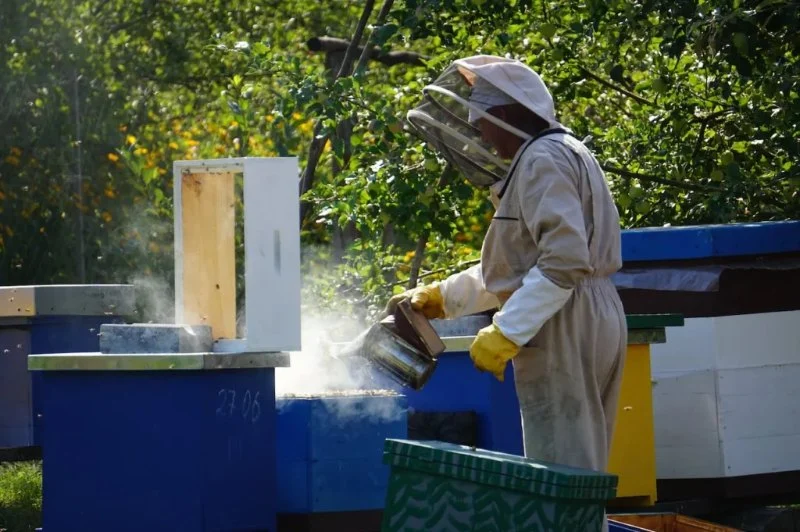
- Why Should You Remove Bees Safely?
- Understanding Bees and Their Role
- Humane Methods for Bee Removal
- How to Remove Bees Without Killing Them
- Real-Life Examples and Success Stories
Why Should You Remove Bees Safely?
Bees play a crucial role in our ecosystem, particularly in pollination. They are vital to the survival of many plants and crops. However, when bees decide to nest in an area close to your home or garden, it can be unsettling for many people. While it’s understandable to want to remove them, it’s important to approach bee removal in a way that doesn’t harm them. Safe bee removal ensures that these essential pollinators are preserved, and it can help maintain the ecological balance of your local environment.
Rather than resorting to harmful pesticides or killing the bees, there are humane methods available that allow you to relocate them to a safer environment, where they can continue their vital role without disrupting your daily life.

Real Kill Termite & Pest Control LLC
WaynesboroFranklin CountyPennsylvania
33 E Main St, Waynesboro, PA 17268, USA
Understanding Bees and Their Role
Before discussing how to remove bees without harming them, it’s important to understand their behavior and ecological significance. Bees are not inherently aggressive; they typically only sting in defense of their hive or when they feel threatened. Most bees are non-aggressive unless provoked, and they can often coexist peacefully with humans if their nests are properly managed.
Bees are essential for pollinating flowers, fruits, and vegetables. In fact, it’s estimated that one-third of the world’s food production relies on pollinators like bees. By safely removing bees from areas where they pose a threat, you can ensure that these pollinators continue to thrive and contribute to biodiversity.
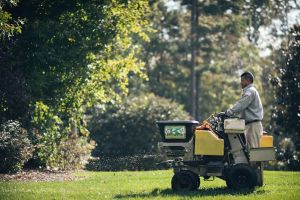
Killingsworth Environmental Mooresville NC
MooresvilleIredell CountyNorth Carolina
170 Raceway Dr, Mooresville, NC 28117, USA
Humane Methods for Bee Removal
There are several humane ways to remove bees without causing them harm. These methods focus on relocation, allowing the bees to continue their vital pollination work in a safer location. Here are some of the most effective approaches:
1. Bee Relocation Services: Many professional pest control services specialize in the humane relocation of bees. These experts can safely remove the bees and their hive, relocating them to an area where they can thrive. Hiring a professional ensures the bees are handled correctly, reducing the risk of harm to both you and the bees.
2. Bee Boxes: For smaller bee colonies, you can use a bee box, also known as a bee hive. These boxes mimic a natural hive and can be used to house the bees temporarily. Once they have settled in the box, you can relocate them to a more suitable area. Bee boxes are a great option if you have some experience with beekeeping or are working with a beekeeper who can guide you through the process.
3. Bee Traps: If the bees have already built a nest, a bee trap can be an effective way to remove them. Bee traps work by luring the bees into a box where they can be safely contained without causing them harm. Once inside, the bees can be relocated to an area away from your home. Make sure the trap is placed near the entrance of the nest and monitored regularly to ensure success.
How to Remove Bees Without Killing Them
If you’re faced with a bee problem on your property and need to remove the bees yourself, here are the steps to take to ensure a safe and humane removal:
1. Don’t Panic or Disturb the Bees: Bees are more likely to become defensive if they feel threatened. If you notice a bee hive or colony near your home, avoid disturbing it, especially at night when the bees are more docile. The best time to deal with bees is early in the morning or late in the evening when they are less active.
2. Protect Yourself: If you plan to remove the bees yourself, make sure to wear protective gear such as a beekeeping suit, gloves, and a veil. This will reduce the likelihood of getting stung while handling the bees.
3. Use a Bee Vacuum: A bee vacuum is a specialized tool that allows you to safely vacuum the bees into a container. These vacuums are designed to collect bees without harming them. Once the bees are safely inside, you can relocate them to a new hive or colony.
4. Encourage the Bees to Relocate: If you’re working with a beekeeping expert, they may use special techniques to encourage the bees to move into a new hive. This can involve using pheromones or scents that attract the bees to the new location.
5. Ensure a Safe Relocation Spot: Once the bees have been safely collected, it’s important to relocate them to a place where they can thrive. This could be a local farm, garden, or park that is far enough from your home to prevent them from returning. Avoid relocating them to urban areas where there may not be enough food sources for them.
Real-Life Examples and Success Stories
Many homeowners have successfully removed bees without harming them. Here are a couple of real-life examples:
1. The Johnson Family’s Bee Relocation: The Johnson family discovered a large bee colony in their backyard. Rather than risk harming the bees or their family, they contacted a local beekeeper who safely removed the hive and relocated it to a nearby farm. The family was thrilled to have the bees safely removed and appreciated the educational opportunity to learn more about the vital role bees play in their environment.
2. A Neighborhood’s Bee Rescue: In a local community, a group of neighbors noticed a bee colony had settled in a tree near their homes. Instead of calling an exterminator, they reached out to a professional bee relocation service. The service arrived with all the necessary equipment to safely remove the bees without harming them. The bees were relocated to a nearby orchard, ensuring the bees could continue pollinating while the residents could enjoy a safe outdoor environment.


 Terminix4.0 (43 reviews)
 Marriott Termite and Pest Control5.0 (11 reviews)
 Terminix4.0 (1520 reviews)
 Integrated Pest Services4.0 (24 reviews)
 Lonesome Pine Exterminating5.0 (3 reviews)
 Presto-X Pest Control5.0 (49 reviews)
 How to Spot Pest Damage in Attic Insulation
 How to Seal Entry Points Around Piping: Effective Methods for Home Protection
 How to Block Pest Entry in Retaining Walls: Effective Solutions
 How to Reduce Pest Attraction Through Landscaping
 How to Keep Crawlspaces Dry and Pest-Free: Essential Tips
 How to Evaluate Pest Return Risk Over Time: Key Factors and Tips