
- 1. Understanding the Relationship Between Landscaping and Pests
- 2. Landscaping Techniques to Deter Pests
- 3. Choosing Plants That Repel Pests
- 4. Ongoing Maintenance to Keep Pests Away
- 5. Where to Find Products for Pest-Free Landscaping
1. Understanding the Relationship Between Landscaping and Pests
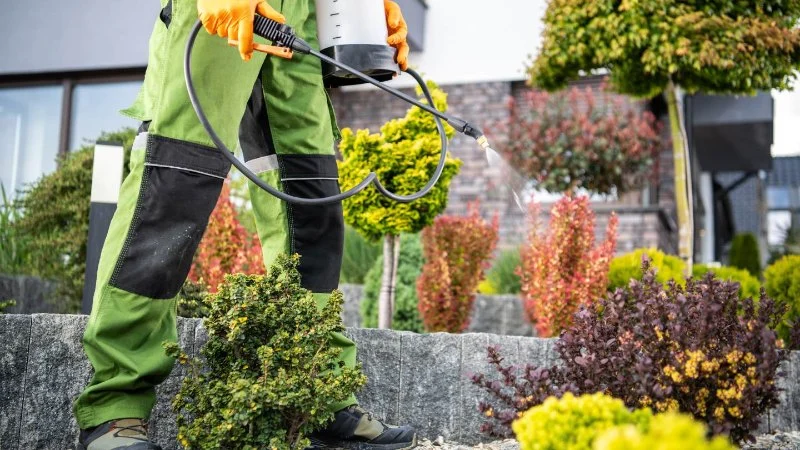
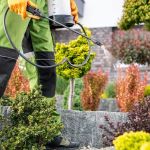
Landscaping plays a significant role in either attracting or repelling pests in your garden. The design of your outdoor space, the types of plants you choose, and the maintenance practices you follow can either create a welcoming environment for pests or help keep them at bay. By understanding the factors that attract pests, you can take proactive steps to ensure that your garden remains pest-free and enjoyable for both you and your plants.

PestNow of Central Virginia | Ruther Glen
Ruther GlenCaroline CountyVirginia
17041 Merchants Dr, Ruther Glen, VA 22546, USA
2. Landscaping Techniques to Deter Pests
There are several landscaping techniques you can apply to reduce the likelihood of pests in your garden. These techniques not only make your garden less inviting to pests but can also improve the overall health of your plants.

A1 Bed Bug Exterminator Syracuse
SyracuseOnondaga CountyNew York
220 Herald Pl Unit 403, Syracuse, NY 13202, USA
2.1. Create Proper Drainage
Pests such as mosquitoes thrive in stagnant water. Ensuring your garden has proper drainage can help prevent water from pooling, eliminating a breeding ground for mosquitoes and other pests. Consider adding gravel or installing a French drain in areas where water tends to collect.
2.2. Maintain a Clean Garden
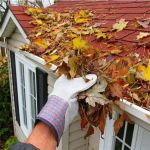
Debris, fallen leaves, and overgrown grass can provide shelter for pests like rodents and insects. Regularly cleaning up your garden and trimming back any excess growth can reduce the hiding places for pests and make your garden less attractive to them.
2.3. Use Mulch Wisely
Mulch is beneficial for retaining moisture and protecting plant roots, but it can also harbor pests if not managed correctly. Be sure to apply mulch sparingly and keep it away from the base of plants to avoid providing shelter for pests like slugs and termites. Opt for organic mulch, such as wood chips or bark, that doesn’t attract pests as much as straw or hay.
3. Choosing Plants That Repel Pests
Plants can be your best allies in the fight against pests. Certain plants naturally repel insects and pests, helping to protect your garden without the need for harmful pesticides. Here are a few plant varieties that can help keep pests away:
3.1. Lavender
Lavender is not only a fragrant addition to any garden but also acts as a natural insect repellent. Its strong scent repels mosquitoes, moths, and fleas, making it ideal for planting near patios or outdoor seating areas.
3.2. Marigolds
Marigolds are known for their ability to repel a wide variety of pests, including aphids, nematodes, and whiteflies. Their vibrant colors and strong scent make them an attractive addition to any garden while keeping pests away.
3.3. Mint
Mint is another aromatic herb that repels ants, mosquitoes, and even rodents. Plant it in containers to prevent it from spreading uncontrollably, and place it near areas where pests are most active.
3.4. Chrysanthemums
Chrysanthemums contain pyrethrins, which are natural insecticides that repel ants, roaches, ticks, and other pests. By planting these colorful flowers, you can add beauty to your garden while reducing pest activity.
4. Ongoing Maintenance to Keep Pests Away
Even after implementing landscaping techniques and selecting pest-repelling plants, regular maintenance is key to keeping your garden pest-free. Below are some ongoing practices to help ensure your garden remains healthy and pest-free:
4.1. Regularly Check for Signs of Infestation
Keep an eye out for signs of pests such as holes in leaves, webbing, or unusual damage to your plants. Early detection allows you to take action before pests can cause significant harm to your garden.
4.2. Use Organic Pest Control Solutions
If you notice a pest problem, consider using organic pest control methods, such as neem oil, diatomaceous earth, or insecticidal soap. These solutions are less harmful to beneficial insects and the environment while effectively controlling pests.
4.3. Rotate Plants Regularly
Rotating crops and plants helps prevent pests from becoming established in your garden. For example, avoid planting the same crops in the same location each season to discourage pests that may be drawn to a specific plant species.
5. Where to Find Products for Pest-Free Landscaping
To make your garden pest-free, you may need to purchase products such as pest-repelling plants, organic fertilizers, or natural pest control solutions. One great place to find these items is PestControlHub, where you can shop for the best products to protect your garden from pests and other unwanted critters.


 profishant, Inc5.0 (325 reviews)
 Rest Easy Heat4.0 (28 reviews)
 Prime Pest Control4.0 (96 reviews)
 Ocean Pest Consultants5.0 (14 reviews)
 Greg Wall Pest Control3.0 (5 reviews)
 Alternative Exterminating3.0 (9 reviews)
 How to Reduce Pest Attraction Through Landscaping
 How to Deal With Pest Infestations in Basements
 How to Prevent Pest Intrusion in Seasonal Homes: Effective Tips and Solutions
 How to Safely Use Heat Treatments for Bed Bugs
 How to Seal Entry Points in Foundation Cracks
 How to Monitor Pest Behavior Over Time for Effective Control