
- Why Monitor Pest Movement Outdoors?
- Methods for Monitoring Pests Outdoors
- Tools and Techniques for Tracking Pest Movement
- How to Interpret Pest Movement Data
- Common Challenges in Monitoring Pest Movement
- How PestControlHub Can Help
Why Monitor Pest Movement Outdoors?
Monitoring pest movement outdoors is crucial for maintaining a healthy and thriving garden or outdoor space. Pests can damage plants, spread diseases, and disrupt the balance of your ecosystem. By tracking pest movement, you can identify areas of concern early on and take targeted action to manage the infestation before it becomes a bigger issue.
Furthermore, understanding pest behavior helps you anticipate potential outbreaks, choose the right pest control methods, and reduce the use of harmful chemicals. Early detection and monitoring can save you time, effort, and resources in the long run, ultimately protecting your investment in your outdoor space.
Bowling Green Pest Control
Bowling GreenWarren CountyKentucky
214 Moss Creek Ave E, Bowling Green, KY 42101, USA
Methods for Monitoring Pests Outdoors
There are several effective methods for monitoring pests in your outdoor space. Each method has its strengths, and using a combination of techniques can provide the most comprehensive results. Here are some of the most common methods:

1. Visual Inspections
Regularly inspecting your plants, trees, and garden beds is one of the simplest and most effective ways to monitor for pests. Look for signs of pest damage, such as chewed leaves, wilting, or discolored plants. While this method may not catch pests that are hidden or active at night, it’s a great starting point to spot early infestations.
2. Using Sticky Traps
Sticky traps are a simple yet effective tool for monitoring flying insects like aphids, whiteflies, and moths. These traps are coated with a sticky substance that captures pests as they fly into it. By placing traps in strategic areas of your garden or yard, you can track the types and numbers of pests in your area.
3. Monitoring with Light Traps
Light traps attract nocturnal pests, such as moths and beetles, making them ideal for monitoring pest movement at night. These traps use light to lure insects into a container or sticky surface. Light traps are particularly useful for identifying pests that are active after dark.
4. Soil Sampling
For underground pests like grubs or root-feeding insects, soil sampling is an important method of monitoring. Digging into the soil and inspecting root systems can help identify pest infestations before they cause visible damage to your plants. This method requires more effort but is essential for dealing with pests that live in the soil.
Tools and Techniques for Tracking Pest Movement
In addition to the basic monitoring methods, there are a variety of tools and technologies available to track and analyze pest movement more efficiently:
1. Pest Monitoring Software
Some pest control companies and gardening experts use specialized software to track pest movements. These tools allow you to input data from traps, inspections, and other methods to create a comprehensive map of pest activity. By analyzing patterns over time, you can make informed decisions about when and how to take action.
2. Drones for Aerial Monitoring
For larger properties or areas with difficult terrain, drones can provide a bird's-eye view to monitor pest movement. Drones equipped with cameras and sensors can detect changes in the landscape or plant health, helping you spot problem areas that might be hard to reach otherwise. Drones are becoming an increasingly popular tool for large-scale outdoor pest management.
3. Motion-Activated Cameras
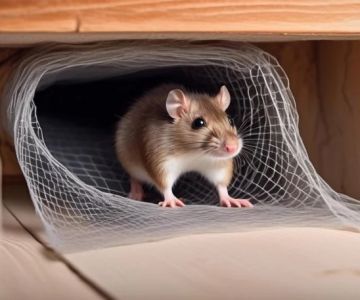
Motion-activated cameras can be used to monitor wildlife and pests in real-time. These cameras are particularly useful for tracking larger pests like rodents, deer, or raccoons. By placing cameras in strategic locations around your property, you can capture footage of pests moving through the area without disturbing their natural behavior.
How to Interpret Pest Movement Data
Collecting data on pest movement is only useful if you know how to interpret it. Here's how you can make sense of the data you gather:
1. Track Pest Trends Over Time
Look for trends in the types of pests and their movements. Are certain pests more active during specific seasons or times of day? Understanding the seasonal patterns of pest behavior will help you anticipate infestations before they become a problem.
2. Analyze Hotspots
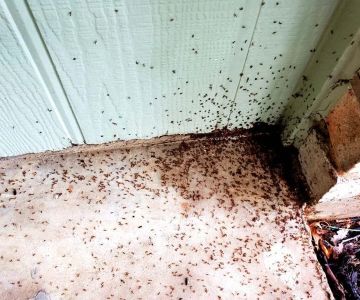
By monitoring pest movements, you may notice hotspots—areas where pests are more concentrated. These hotspots may indicate ideal environments for pests to thrive, such as areas with abundant food or shelter. Once identified, you can focus your pest control efforts on these areas, reducing the risk of spreading.
3. Consider Environmental Factors
Environmental factors, such as temperature, humidity, and rainfall, can influence pest movement. For example, certain pests might be more active after a rainstorm. By correlating environmental data with pest activity, you can gain a deeper understanding of why and when pests are moving in your area.
Common Challenges in Monitoring Pest Movement
While monitoring pest movement is crucial for effective pest control, there are some challenges that gardeners and property owners may face:
1. Pests Are Elusive
Many pests are small or nocturnal, making them difficult to spot during regular inspections. This can make it harder to track their movement accurately, especially if you're relying solely on visual inspections.
2. Inconsistent Results
Tracking pests may not always yield consistent results, especially if you’re using methods like sticky traps or light traps that can be influenced by weather or time of day. It’s important to use a combination of methods to ensure you’re getting accurate data.
3. Environmental Influences
Changes in weather or landscape conditions can cause pests to move differently than expected. Understanding how external factors influence pest behavior can help you adapt your monitoring techniques accordingly.
How PestControlHub Can Help
Tracking and managing pest movement can be complex, but PestControlHub is here to help. We offer a range of pest monitoring tools, traps, and expert advice to help you effectively track and control pest movements in your outdoor spaces. Whether you need traps, cameras, or software solutions, we provide the right resources for efficient pest management.
Visit PestControlHub today to explore our selection of pest control products and solutions, and start monitoring pest movement with ease!

 745 Pest Solutions4.0 (17 reviews)
 Vinx Pest Control4.0 (766 reviews)
 Honesty Termite and Pest Services4.0 (46 reviews)
 Mosquito Shield of Dulles4.0 (78 reviews)
 Prime Choice Pest Control4.0 (28 reviews)
 Banner Pest Control4.0 (137 reviews)
 How Tree Limbs and Shrubs Can Invite Pests
 How to Use Preventative Measures During Construction
 How to Use Preventative Barriers in Crawlspaces – Expert Home Protection Guide
 How to Control Pests in Underground Crawl Spaces: A Comprehensive Guide
 How to Monitor Pest Behavior Over Time for Effective Control
 How to Seal Cracks Around Roofline for Better Home Protection