
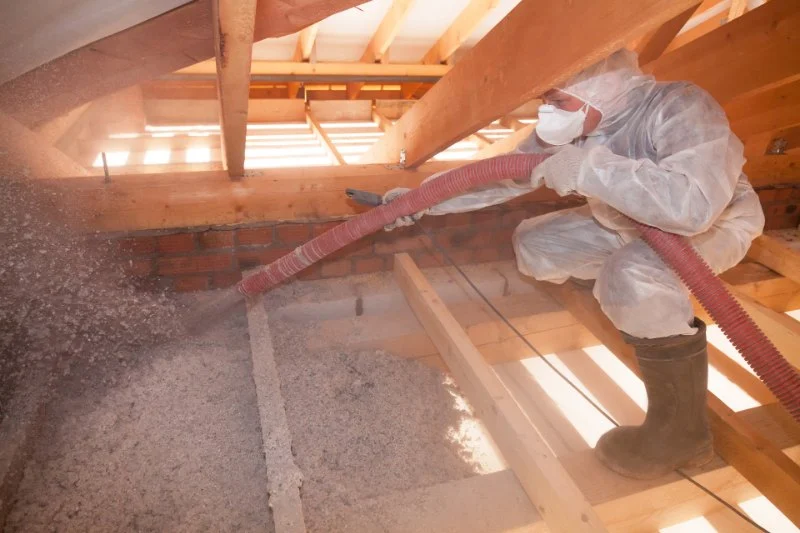
- Understanding Pest Infestations in Attics
- Signs of Pests in Attic Insulation
- Steps to Treat Pest Infestations in Attic Insulation
- Preventive Measures for Attic Pests
- When to Call a Professional for Pest Control
Understanding Pest Infestations in Attics
Pests in attic insulation are a common problem in many homes, particularly in older buildings or homes located near wooded areas. These pests often include rodents, insects, and even birds, all of which can cause significant damage to your attic insulation if not dealt with promptly. When pests infest attic spaces, they can tear up insulation, leaving your home vulnerable to temperature fluctuations and higher energy costs.
Attic insulation provides a crucial barrier against heat loss and sound disruption, but when compromised by pests, it becomes less effective. These pests not only damage the insulation but can also leave droppings, urine, and nests behind, creating additional health hazards. It is essential to address the issue of pest infestations quickly to protect both your home and your health.
Fleet pest control
PhiladelphiaPhiladelphia CountyPennsylvania
1949 E Willard St, Philadelphia, PA 19134, USA
Signs of Pests in Attic Insulation
Identifying pest infestations early is critical to prevent long-term damage to your attic insulation. Here are some common signs that pests may have invaded your attic:
1. Droppings or Urine Stains
One of the first indicators of pests in your attic is the presence of droppings or urine stains. Rodents, like rats and mice, leave behind small droppings that are often found near food sources or nesting areas. These droppings can also cause odors and, over time, can contribute to contamination in your insulation.
2. Noises in the Ceiling or Walls
Another common sign of pests in the attic is hearing scratching, scurrying, or gnawing noises, especially at night. These noises are usually caused by rodents or other animals looking for food or making nests. If you hear these sounds consistently, it’s a sign that pests may be present.
3. Visible Nests or Damaged Insulation
If you notice areas of your attic insulation that are damaged or have visible nests, this is a clear indication of pest activity. Rodents often chew through insulation to create nests, and birds may nest in gaps or vents. Damaged insulation can also result in uneven temperatures throughout your home.
4. Odd Smells
A strong, musty odor can sometimes indicate that pests have been in your attic for an extended period. This smell is often caused by decaying organic matter, such as dead rodents or birds, or from the droppings and urine left by pests.
Steps to Treat Pest Infestations in Attic Insulation
Treating pest infestations in attic insulation requires a systematic approach. Here are the essential steps to effectively remove pests and restore your insulation:
1. Inspect and Identify the Pests
The first step is to identify the type of pests that have invaded your attic. Common culprits include rats, mice, squirrels, raccoons, and insects like termites and ants. If you're unsure what type of pests you're dealing with, it's best to contact a pest control expert for assistance.
2. Remove Existing Pests
Once you've identified the pests, it’s time to remove them. This could involve setting traps, sealing entry points, or using pest-specific repellents. For larger animals like squirrels or raccoons, you may need to call in a professional to safely and humanely remove them from your attic.
3. Clean and Sanitize the Area
After removing the pests, thoroughly clean and disinfect the affected area. This is important to remove any urine, droppings, or nesting materials, which can cause health risks. Consider replacing or vacuuming up damaged insulation to ensure a clean, safe attic space.
4. Replace Damaged Insulation
If the insulation is heavily damaged by pests, it may need to be replaced. Choose high-quality, pest-resistant insulation to reduce the risk of future infestations. In some cases, spray foam insulation or cellulose insulation can be a better choice because they are less prone to rodent damage.
Preventive Measures for Attic Pests
To prevent future infestations, take the following preventive measures to keep pests out of your attic:
1. Seal Entry Points
Inspect your attic for any cracks, gaps, or holes that could serve as entry points for pests. Seal these openings with caulk or weatherproofing materials to keep rodents and insects out. Pay special attention to vents, pipes, and chimney areas where animals can easily gain access.
2. Maintain Attic Ventilation
Proper ventilation is crucial to keeping pests out of your attic. Ensure that your attic is well-ventilated to prevent moisture buildup, which can attract pests like termites or insects. Installing vents or fans can help maintain airflow and discourage pests from making a home in your insulation.
3. Regular Inspections
Conduct regular inspections of your attic to check for signs of pests. This should be part of your routine home maintenance to catch any potential issues early before they become major problems.
When to Call a Professional for Pest Control
While DIY methods can be effective for minor pest problems, some infestations may require the expertise of a professional pest control service. If you’re dealing with a large infestation, stubborn pests, or significant damage to your insulation, it’s best to contact a licensed pest control expert who can handle the situation safely and efficiently.
A professional can also provide more advanced solutions, such as ongoing monitoring and preventative treatments, to ensure that your attic stays pest-free.
For expert advice and services related to pest control, visit [PestControlHub] for the best products and recommendations.
 Outdoor Pest Control Solutions0.0 (0 reviews)
 Rye Exterminators5.0 (1 reviews)
 Precision Grounds Management LLC5.0 (56 reviews)
 Compass Pest Management4.0 (83 reviews)
 Expert Pest Management Inc.4.0 (52 reviews)
 BugBuster Inc.4.0 (13 reviews)
 How to Choose Between Different Pest Control Methods: A Complete Guide
 How to Address Pest Issues in Spring Planting for Healthy Gardens
 How to Deal With Pest Issues Near Pools – Effective Control Tips
 How Landscaping Mulch Types Affect Pest Attraction – Tips for a Pest-Free Yard
 How to Safely Use Heat Treatments for Bed Bugs
 How to Use Tamper-Resistant Bait Stations: A Guide for Effective Pest Control