
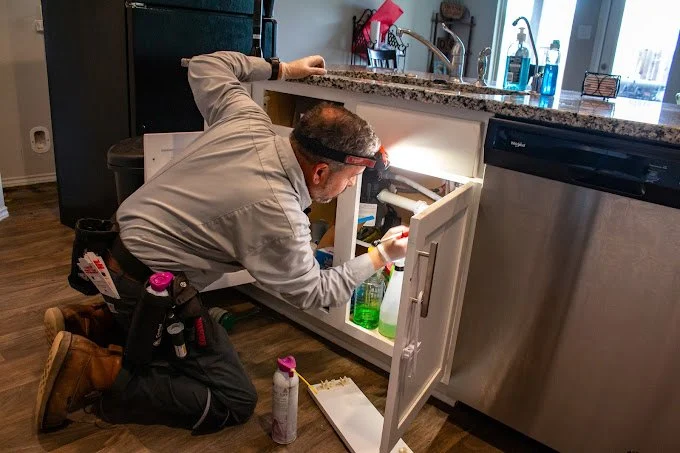
1. Understanding Pest Entry Through Utility Penetrations
Pests are experts at finding their way into homes, and one of the most common entry points is through utility penetrations. These are the gaps and openings where utilities like water pipes, gas lines, and electrical cables enter the home. Unfortunately, these openings can provide a perfect pathway for rodents, insects, and other pests to invade your living space. Fortunately, with a few simple steps, you can seal these entry points and prevent pests from gaining access to your home.
Sonny Adams Pest Control
SpringfieldSangamon CountyIllinois
1550 Knights Recreation Dr, Springfield, IL 62711, USA
2. Why Sealing Utility Penetrations is Essential
Sealing utility penetrations is a crucial step in pest control because it eliminates one of the most overlooked entry points. Here are some key reasons why it’s essential to seal these areas:

Ultra Safe Pest Management
BostonSuffolk CountyMassachusetts
75 Arlington St #500, Boston, MA 02116, USA
2.1. Preventing Rodents
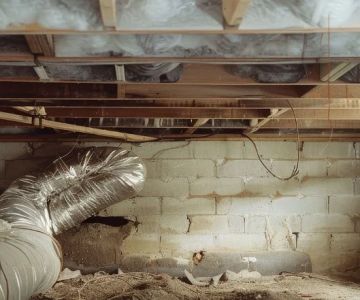
Rodents, such as mice and rats, are notorious for squeezing through even the smallest gaps. These creatures can enter through utility penetrations and find their way into attics, basements, or even the walls of your home. Once inside, they can cause significant damage to wiring, insulation, and even furniture. Sealing these gaps is essential to keeping rodents at bay.
2.2. Stopping Insects and Bugs
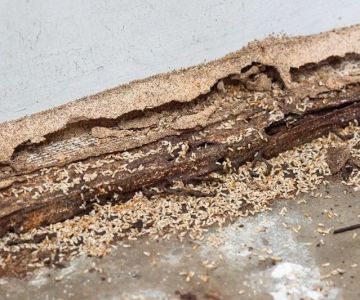
Insects like ants, termites, and cockroaches can also use utility penetrations as entry points. These pests often come in search of food, water, and shelter. Sealing gaps around plumbing pipes and electrical cables can help prevent these insects from finding their way inside and spreading diseases or causing damage to your home.
2.3. Improving Energy Efficiency
Not only does sealing utility penetrations help with pest control, but it also improves the energy efficiency of your home. Gaps around utility pipes and wires can allow warm or cool air to escape, making your heating and cooling systems work harder. By sealing these gaps, you can keep your home more comfortable and save on energy bills.
3. How to Seal Pest Entry Points Around Utility Penetrations
Now that you understand the importance of sealing utility penetrations, let’s look at the best methods for doing so effectively. There are various products and techniques that can help you seal these entry points and prevent pests from getting inside.
3.1. Use Caulk for Small Gaps
Caulking is one of the simplest and most effective ways to seal small gaps around utility penetrations. A high-quality, silicone-based caulk can fill in cracks and gaps around pipes, cables, and wires. It is flexible, durable, and can withstand weathering. Apply the caulk using a caulking gun around the edges of the penetration, ensuring that the gap is completely filled.
3.2. Apply Expanding Foam for Larger Gaps
For larger gaps, expanding foam is an ideal solution. This foam expands after being applied, filling large voids and cracks. It is particularly useful around larger utility penetrations, such as plumbing pipes or ducts. Be sure to clean the area before applying foam and allow it to expand and dry before trimming off any excess. Expanding foam also provides insulation, improving energy efficiency.
3.3. Install Foam Gaskets for Electrical and Cable Penetrations
If you have electrical cables or telephone lines entering your home, you can use foam gaskets designed specifically for these types of penetrations. These gaskets fit snugly around the cables and form a tight seal, preventing pests from entering through the gaps. Foam gaskets are a simple and effective solution for securing electrical and cable penetrations.
3.4. Use Steel Wool for Temporary Sealing
Steel wool can be an excellent temporary solution for sealing small gaps around utility penetrations. It is often used in conjunction with caulk or foam for added security. The sharp edges of the steel wool deter pests from chewing through the material, providing an additional layer of protection. However, it’s important to note that steel wool is not a permanent fix, and it may need to be replaced periodically.
4. Tools and Materials You Will Need
Before you start sealing pest entry points around utility penetrations, it’s important to gather the right tools and materials. Here’s a list of what you’ll need:
4.1. Caulk Gun and Silicone Caulk
A caulk gun is essential for applying silicone caulk efficiently. Look for caulk that is waterproof and mold-resistant for the best results. Silicone-based caulk is perfect for filling smaller gaps around pipes and cables.
4.2. Expanding Foam
Expanding foam comes in a can and is easy to apply around larger gaps. It’s an excellent choice for filling voids around plumbing pipes, electrical wiring, or HVAC ducts.
4.3. Steel Wool
Steel wool can be used for temporarily sealing small holes. It is especially effective when used in combination with caulk or foam. Be sure to use coarse steel wool for the best results.
4.4. Foam Gaskets
For electrical and cable penetrations, foam gaskets provide an easy and effective solution for sealing gaps. These gaskets are available at most home improvement stores.
5. Real-Life Example: Sealing Utility Penetrations to Prevent Rodent Infestations
Consider the case of the Martinez family, who had been struggling with a recurring rodent infestation in their home. They noticed that the pests were entering through gaps around the plumbing pipes in the basement. After consulting with a pest control expert, they decided to seal the gaps using silicone caulk and expanding foam. Since sealing the entry points, the Martinez family has had no issues with rodents, and their home remains pest-free.
6. Conclusion: Protecting Your Home from Pests with Simple Sealing Solutions
Sealing pest entry points around utility penetrations is a simple yet highly effective way to protect your home from unwanted pests. By using caulk, expanding foam, steel wool, and foam gaskets, you can prevent rodents, insects, and other pests from entering your home through these common entry points. Regularly inspect your home and seal any gaps you find to ensure that your living space remains pest-free. For more pest control solutions and products, visit PestControlHub for expert advice and recommendations.



 High Rock Pest Control4.0 (101 reviews)
 Aptive Pest Control4.0 (272 reviews)
 Seaport Pest Solutions Cape Cod5.0 (1018 reviews)
 District Wildlife Solutions LLC5.0 (60 reviews)
 Exterminators Pest Service = Dougsbugs0.0 (0 reviews)
 Orkin4.0 (1932 reviews)
 Why Some Pests Return After Treatment—and What to Do | PestControlHub
 How to Deal With Pest Issues Near Pools
 How to Deal With Pest Issues in Detached Sheds
 How to Keep Insects Out While Letting in Fresh Air
 How to Seal Entry Points Before Winter: Essential Tips for Home Protection
 Why Pest Control is Critical for Food Businesses: A Must-Have for Safety