- 1-Why Barrier Treatments Are Important
- 2-Identifying Key Zones for Barrier Treatments
- 3-Types of Barrier Treatments
- 4-How to Apply Barrier Treatments Effectively
- 5-Why PestControlHub Is Your Best Resource
1. Why Barrier Treatments Are Important
Barrier treatments are an effective way to prevent pests from entering your home, garden, or property. These treatments create protective zones around key areas that act as a deterrent for a variety of pests, including insects, rodents, and other unwanted visitors. By using barrier treatments, you can reduce the need for chemical sprays and traps, creating a safer, more sustainable environment for your family and pets.
Not only do barrier treatments help prevent pest infestations, but they also work as part of an integrated pest management system. The goal is to stop pests from ever gaining access to your home, which can save you money and time on pest control services in the future. Effective use of barriers can ensure long-lasting protection, reducing the need for ongoing pest control efforts.

2. Identifying Key Zones for Barrier Treatments
To get the most out of barrier treatments, it’s important to identify the key zones where pests are most likely to enter or cause problems. Here are some common areas where barrier treatments should be applied:

Mosquito Joe of Charlotte
ConcordCabarrus CountyNorth Carolina
943 Central Dr NW, Concord, NC 28027, USA
2.1. Entry Points to Your Home
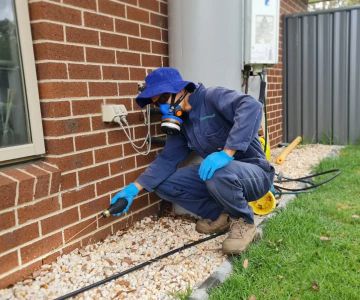
Doors, windows, and vents are primary entry points for pests like ants, spiders, and flies. Applying barrier treatments around these areas can help seal off potential entryways. Make sure to focus on cracks, crevices, and gaps in door frames and windows where pests are likely to sneak through.
2.2. Perimeter of Your Yard
The perimeter of your property is another critical zone to protect. Applying a barrier treatment around your yard helps prevent pests like mosquitoes, ticks, and fleas from migrating into your living space. It’s also a good idea to treat areas near vegetation and bushes, as these are common hiding spots for pests.
2.3. Around Garbage and Compost Areas
Trash and compost bins attract pests like rodents, cockroaches, and flies. By applying a barrier treatment around these areas, you can keep pests from getting too close to your home. Regularly cleaning and sealing trash containers also helps to minimize the attraction of pests.
2.4. Foundation and Basement
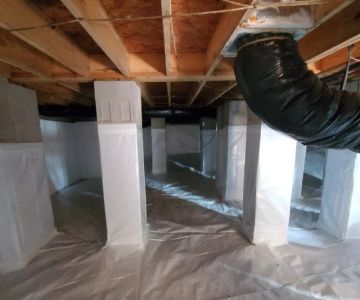
Cracks in your foundation or basement are vulnerable areas where pests like termites and rodents can gain access. Sealing these cracks with barrier treatments is crucial in preventing infestations. Check for moisture buildup in basements, as damp areas attract pests like silverfish and mold mites.
3. Types of Barrier Treatments
There are several types of barrier treatments available, each with its unique benefits. Here are some common types to consider:
3.1. Chemical Barrier Treatments
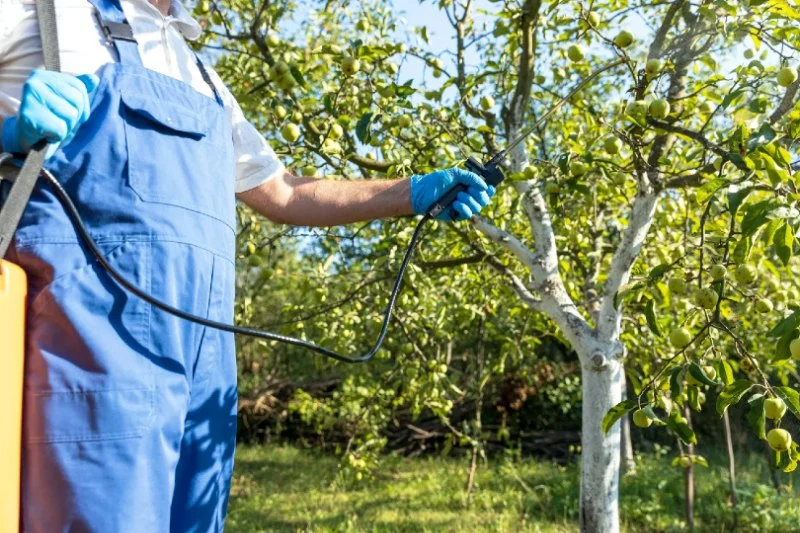
Chemical barrier treatments are commonly used for pest control. These treatments involve applying a chemical solution around the perimeter of your property or at key entry points to repel or kill pests. While effective, it’s important to choose environmentally friendly products that are safe for pets and humans.
3.2. Natural Barrier Treatments
For those who prefer a more eco-friendly approach, natural barrier treatments are a great option. These include essential oils, diatomaceous earth, and other natural substances that can create a physical or chemical barrier to pests. Natural treatments are non-toxic and safe for children and pets, making them an excellent choice for families.
3.3. Physical Barriers
Physical barriers such as mesh screens, weather stripping, and sealant materials can be used to physically block pests from entering your home. These barriers are particularly effective for sealing off cracks and openings in windows, doors, and vents. Physical barriers are a great way to complement other types of barrier treatments for more comprehensive protection.
3.4. Biological Barriers
Biological barriers involve using natural predators or organisms to control pest populations. For example, certain types of nematodes or beneficial insects can be introduced to the soil or garden to target and eliminate pests like grubs or aphids. These treatments are sustainable and can contribute to a balanced ecosystem in your yard.
4. How to Apply Barrier Treatments Effectively
To ensure the best results, it’s important to apply barrier treatments properly. Here are some key tips:
4.1. Follow Manufacturer Instructions
Whether you’re using a chemical, natural, or physical barrier treatment, always follow the manufacturer’s instructions for application. This ensures that the treatment is applied correctly and at the right dosage, optimizing its effectiveness while minimizing potential risks.
4.2. Apply During the Right Conditions
For chemical barrier treatments, avoid applying during rainy or windy weather, as this can wash away or dilute the treatment. For natural treatments like essential oils, make sure to reapply after rainfall or watering your plants to maintain their effectiveness.
4.3. Target High-Risk Areas
Focus on areas that are most vulnerable to pests, such as doorways, windows, foundation cracks, and areas with standing water. Reapply treatments regularly to maintain a continuous barrier. Don’t forget to treat the perimeter of your property to prevent pests from entering from the outside.
4.4. Combine Multiple Treatment Types
For the most effective pest prevention, consider using a combination of barrier treatments. For example, use a natural treatment around the foundation and physical barriers on windows and doors. Combining these treatments ensures comprehensive coverage and enhances your defense against pests.
5. Why PestControlHub Is Your Best Resource
If you're looking for expert advice and high-quality products for pest barrier treatments, PestControlHub is your best resource. We offer a wide range of pest control solutions, from natural remedies to chemical treatments, and provide step-by-step guides on how to apply them effectively. Whether you’re dealing with ants, mosquitoes, rodents, or other pests, PestControlHub can help you find the right products and strategies for your needs.
Visit PestControlHub today to explore our selection and keep your home safe from pests with the best barrier treatment solutions available!

 Majestic Pest Control, Melville Exterminator Services4.0 (11 reviews)
 Jones Pest Control Inc.4.0 (32 reviews)
 South Jersey Weed Control3.0 (35 reviews)
 Bugs R Us Pest Control2.0 (4 reviews)
 Quality Yard and Home Maintenance, LLC.4.0 (275 reviews)
 Waltham Pest Services4.0 (24 reviews)
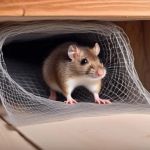 How Crowded Attics Attract Rodents and How to Prevent Infestations
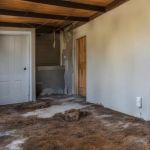 How to Repair Structural Damage Caused by Pests
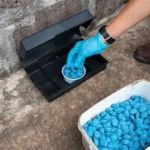 How to Use Tamper-Resistant Bait Stations: A Guide for Effective Pest Control
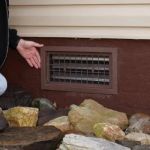 How to Control Pests in Crawl Space Vents
 How to Keep Crawlspaces Ventilated & Pest-Resistant
 How to Use Smart Devices for Insect Alerts