
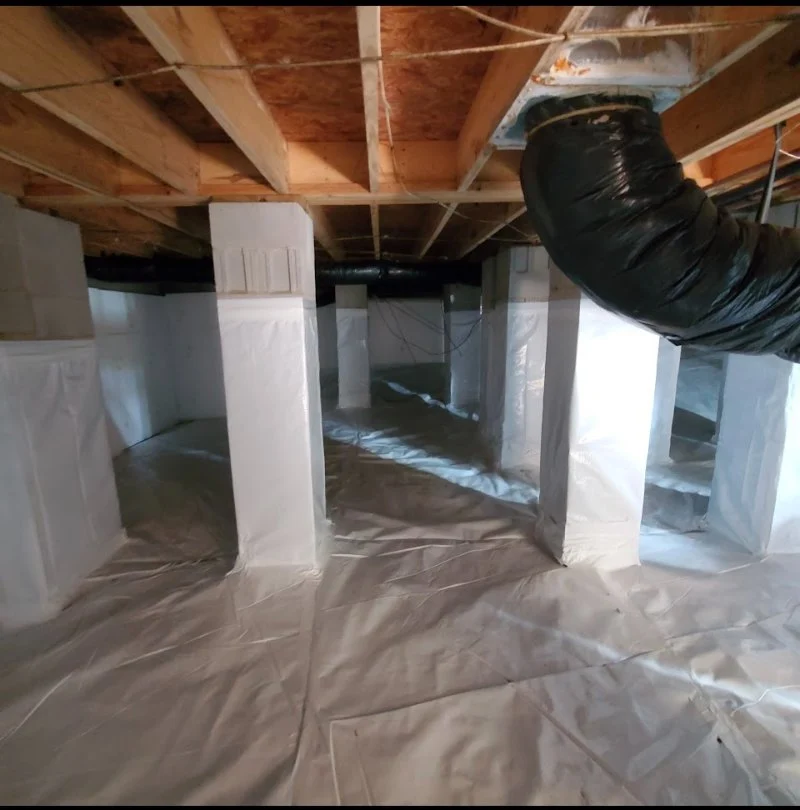
1. Why Crawlspace Ventilation Is Important
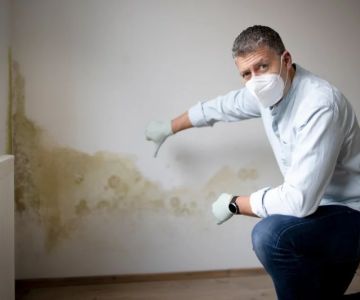
Your crawlspace is a crucial area of your home that can affect both the structural integrity of your house and the indoor air quality. Proper ventilation is essential to prevent moisture buildup, mold growth, and pest infestation. Without proper airflow, these issues can lead to health hazards, costly repairs, and even damage to your home’s foundation.
In this article, we’ll explore why crawlspace ventilation is important, how to keep it ventilated and pest-resistant, and the steps you can take to ensure it remains dry and healthy.

2. How to Achieve Proper Crawlspace Ventilation
Ensuring that your crawlspace is properly ventilated is key to preventing humidity and moisture buildup. Here’s how to achieve proper ventilation:

Install Ventilation Grills
Ventilation grills, also known as crawlspace vents, should be placed at regular intervals around the perimeter of your crawlspace. These vents help circulate air, allowing moisture to escape and fresh air to enter. Make sure the vents are positioned both near the floor and the ceiling of the crawlspace to allow for cross-ventilation.
Consider a Ventilation Fan System
If natural ventilation isn’t enough to keep your crawlspace dry, installing a mechanical ventilation system can help. A crawlspace fan system can actively pull moisture-laden air out of the space and replace it with drier, outside air. This is especially beneficial in humid climates.
Seal Unused Vents During Winter
During colder months, it’s important to seal off vents to prevent cold air from entering the crawlspace. Cold air can cause moisture to condense inside the crawlspace, creating the perfect environment for pests. Be sure to seal vents with breathable materials that still allow for airflow when needed in warmer months.
3. Moisture Control in Crawlspaces to Prevent Pests
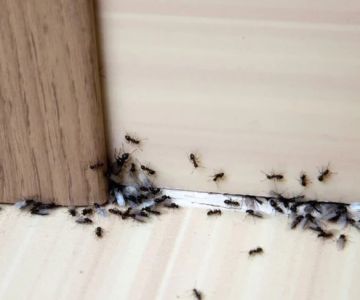
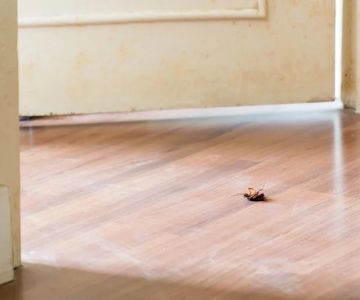
Excess moisture in your crawlspace is a major attraction for pests, such as rodents, insects, and mold. Managing moisture is critical in preventing infestations. Here’s how to do it effectively:
Install a Vapor Barrier
One of the most effective ways to control moisture in your crawlspace is by installing a vapor barrier. A vapor barrier is a plastic sheet that covers the ground of your crawlspace, preventing moisture from seeping up through the soil. Be sure to install a thick, durable vapor barrier and seal the edges to ensure maximum moisture control.
Fix Leaks and Cracks
Check for leaks in pipes, cracks in the foundation, or areas where water might be entering the crawlspace. Fixing these leaks promptly will help reduce the moisture levels in your crawlspace and keep pests at bay. Consider using caulking or sealant to repair small cracks and gaps, and install sump pumps if you experience water pooling.
Use Dehumidifiers
In particularly damp areas, a dehumidifier can be a great addition to your crawlspace. Dehumidifiers remove excess moisture from the air, making it less inviting for pests. Place a dehumidifier in the crawlspace to maintain optimal humidity levels of around 50%.
4. Effective Pest Prevention for Your Crawlspace
In addition to controlling moisture, it’s essential to take steps to keep pests out of your crawlspace. Here are a few effective pest prevention tips:
Seal Entry Points
Make sure to seal any gaps or holes in your crawlspace that could provide entry points for pests. These could be around pipes, ducts, or vents. Use steel wool or expanding foam to close these gaps and prevent pests from entering.
Install Mesh Screens
To prevent rodents and insects from entering through vents, install fine mesh screens. These screens will allow air to flow but will prevent pests from squeezing through small openings.
Use Natural Repellents
There are many natural pest repellents you can use in your crawlspace. For example, peppermint oil is a natural deterrent for mice and insects. Simply soak cotton balls in peppermint oil and place them around the crawlspace. Additionally, diatomaceous earth can be sprinkled around the edges of the crawlspace to deter pests without using harsh chemicals.
5. Regular Maintenance for a Healthy Crawlspace
Regular maintenance is crucial for keeping your crawlspace in optimal condition. Here’s how you can ensure your crawlspace remains pest-free and well-ventilated:
Inspect Regularly
Perform regular inspections of your crawlspace, checking for signs of moisture, mold, or pests. Look for any cracks in the foundation or walls, and check that vents and fans are functioning properly. Early detection can prevent bigger problems down the road.
Keep It Clean
Keep your crawlspace free of debris and clutter. Fallen leaves, old insulation, and unused items can provide food and shelter for pests. Clean the space regularly to reduce the risk of infestation.
Schedule Professional Inspections
If you’re unsure about the condition of your crawlspace, consider hiring a professional to inspect it. They can detect hidden moisture issues, check for pest infestations, and recommend solutions to improve ventilation and pest control.
6. Best Products for Crawlspace Ventilation and Pest Prevention
For effective crawlspace ventilation and pest prevention, it’s important to use high-quality products. You can find ventilation systems, vapor barriers, dehumidifiers, and pest control solutions at PestControlHub. Browse our selection of the best tools and products to keep your crawlspace dry, ventilated, and pest-free.
 Braman Termite & Pest Elimination4.0 (37 reviews)
 Hilton Head Exterminators4.0 (627 reviews)
 Terminix4.0 (45 reviews)
 Cleary Exterminating Co. Inc4.0 (39 reviews)
 Ehrlich Pest Control4.0 (471 reviews)
 Bay Area Wildlife Solutions4.0 (31 reviews)
 How to Prepare Your Home Before an Exterminator Visit
 How to Evaluate Pest Control Technologies – Expert Guide for U.S. Consumers
 How to Use Tamper-Resistant Bait Stations: A Guide for Effective Pest Control
 How to Evaluate Professional Pest Control Certifications
 How to Choose Between Different Pest Control Methods: A Complete Guide
 How to Use Diatomaceous Earth for Safe Pest Control - Natural and Effective Solutions