
How to Choose Treat-or-No-Treat When Pest Signs Are Mild
- 1. Understanding Mild Pest Signs
- 2. When to Treat Pests
- 3. When to Wait and Monitor
- 4. A Practical Case Study of Pest Control
- 5. Conclusion: Making the Right Pest Control Decision
1. Understanding Mild Pest Signs
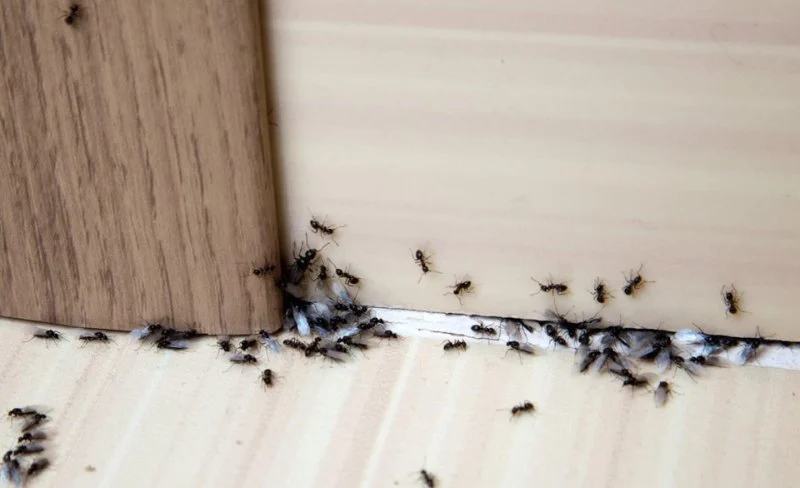
When dealing with pests, it’s easy to become anxious at the first sign of activity. However, it’s important to recognize what constitutes "mild" pest signs before deciding whether to treat or wait. Mild pest signs might include seeing a few ants in the kitchen, spotting occasional droppings, or hearing the faint rustling of rodents in the attic. These signs typically don’t indicate a full-blown infestation but suggest that pests may be present in small numbers.
Understanding the behavior of common household pests can help you assess whether their presence is significant or if it’s just a temporary issue. For example, ants tend to forage in search of food and might leave a trail without creating widespread damage. Similarly, a single rodent sighting doesn’t necessarily mean a full infestation. It’s important to observe patterns and frequency of sightings before taking action.

Lodi Exterminator At Last Pest Control
4 N Woodside Ave, Lodi, NJ 07644, USA
2. When to Treat Pests
Deciding when to treat pests can be tricky, especially when the signs are mild. However, there are certain indicators that it might be time to take action to prevent a small issue from becoming a larger one:

2.1 Persistent or Increasing Activity
If you notice that pest activity is persistent or increasing over time, it’s a strong signal that you may need to treat the problem. For example, if you initially see a few ants but over the course of days or weeks, you notice them appearing in multiple rooms or at different times of day, it’s time to act. Pests that appear in increasing numbers are likely establishing a nesting site nearby, and prompt treatment can prevent the situation from escalating.
2.2 Signs of Structural Damage
Even mild pest signs can sometimes be accompanied by signs of damage to your home. If you notice holes in walls, gnawed wires, or chewed-up furniture, it’s a clear indication that pests are not only present but are also causing harm. At this point, treating the infestation should be a priority to prevent further structural damage and costly repairs.
2.3 Risk to Health
Another key reason to treat pests early is to mitigate health risks. Pests like cockroaches, rodents, and termites can carry diseases or trigger allergies. If mild pest signs indicate that a pest species that poses a health risk is present, it’s best to treat the problem immediately to protect your family’s health.
3. When to Wait and Monitor
In some cases, it may be unnecessary to treat pests immediately, especially when the signs are mild and no significant damage or health risks are apparent. Instead of rushing to apply treatments, it might be a good idea to monitor the situation for a while. Here are some situations where waiting and monitoring may be the best option:
3.1 Sporadic Sightings
If you only see occasional pests, such as one or two ants or a single mouse sighting, it may be worth waiting before treating. This is especially true if the pests don’t seem to be congregating or creating noticeable damage. Monitoring for a few weeks can help you determine whether this is an isolated incident or the start of something more serious.
3.2 Natural Pest Control Methods
If you’re dealing with mild pest signs, it’s also worth trying natural pest control methods before resorting to chemical treatments. For example, placing traps for rodents or using essential oils like peppermint or eucalyptus to repel ants can be effective and eco-friendly solutions. If these methods don’t work and pest activity continues, you can then consider stronger treatments.
3.3 Low-Impact Pests
Some pests, such as certain types of spiders or occasional flying insects, pose minimal threat to your home or health. If they’re not causing damage or presenting a risk, you may choose to let them be or remove them without using chemical pesticides. It’s important to remember that not all pests need to be eradicated, and some, like ladybugs or bees, are beneficial to your garden or environment.
4. A Practical Case Study of Pest Control
Consider the case of a homeowner in Texas who noticed a few ants in the kitchen. At first, the homeowner wasn’t overly concerned, assuming the ants were just looking for food. However, after a few days, the ants appeared more frequently, and they began to spread to other parts of the house. Realizing the infestation was growing, the homeowner decided to treat the issue by applying a natural ant repellent and sealing entry points around the kitchen.
Within a week, the ant sightings decreased significantly. In this case, monitoring the situation before taking action helped the homeowner avoid unnecessary chemical treatments. By the time the ants were becoming more active, a simple preventative approach had resolved the issue, preventing further escalation.
5. Conclusion: Making the Right Pest Control Decision
When it comes to dealing with pests, particularly when the signs are mild, it’s essential to assess the situation carefully. While it’s tempting to treat at the first sign of trouble, sometimes waiting and monitoring can prevent unnecessary treatments and save time and money. However, if you notice increasing activity or signs of damage, it’s best to act quickly to avoid larger infestations.
If you’re uncertain about whether to treat or wait, or if you need help managing mild pest signs, visit PestControlHub for expert advice and the best products to suit your needs. Whether you’re looking for natural remedies or professional pest control services, we have the solutions to keep your home pest-free.



 Boggs Pest Control Inc.4.0 (42 reviews)
 Hawk Mosquito & Pest5.0 (351 reviews)
 Mosquito Squad of North Shore4.0 (1143 reviews)
 Dr. Killem Termite and Pest Control4.0 (31 reviews)
 Complete Pest Solutions4.0 (379 reviews)
 Bug Out4.0 (231 reviews)
 How to Deal With Pest Infestations Near Water Features
 How to Stage a Pest Control Plan for New Homeowners
 What Home Buyers Should Know About Pests Before Closing
 How to Prevent Pest Infestations in Storage Units | Expert Tips
 How to Use Monitors to Detect Pest Entry: A Comprehensive Guide
 How Crowded Attics Attract Rodents and How to Prevent Infestations