Why Pest Control After Flood Is Crucial
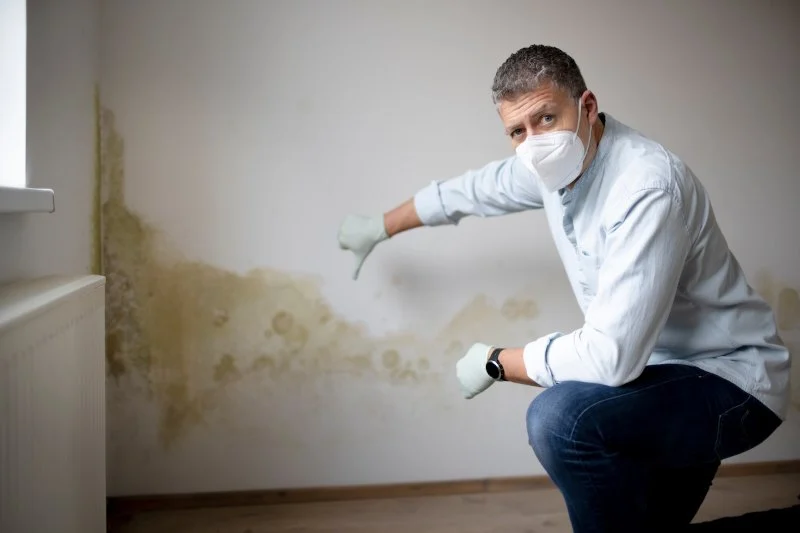
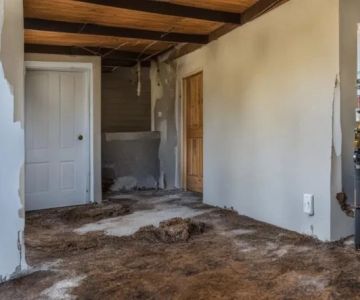
Flooding, while often seen as an environmental disaster, can also introduce a host of pest problems. When floodwaters enter homes and gardens, they can displace various pests, from rodents to insects, creating an urgent need for effective pest control. The risk of pests increases as they seek food, water, and shelter in areas previously unaffected by them.
Proper pest control after flood damage is essential not only to restore hygiene and comfort but also to prevent the spread of diseases. Floods often bring with them waterborne diseases that pests can carry, such as mosquitoes that breed in stagnant water or rats that may transmit leptospirosis. Therefore, effective pest management should be part of your flood recovery plan to ensure your home remains safe and healthy.
Types of Pests Commonly Found After Floods
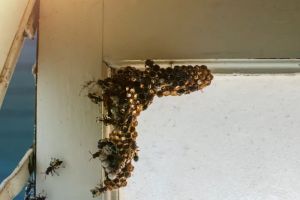
After a flood, certain pests are more likely to invade your home or property. Understanding which pests to expect can help you better prepare for pest control. Here are the most common pests that often appear after a flood:
- Rodents: Rats and mice often flee flooded areas in search of dry ground, making them one of the most common pests after flooding. These pests not only cause damage by chewing through wires and insulation but can also contaminate food and water sources with diseases.
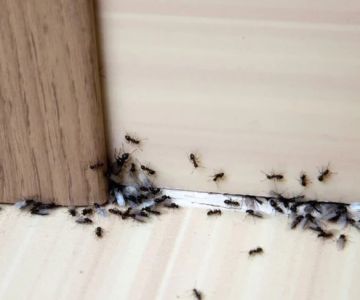
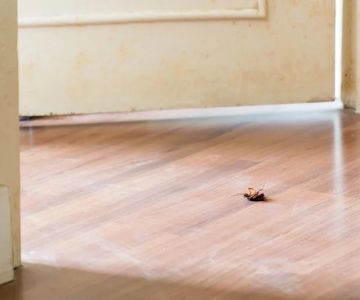
- Insects: Floodwaters often provide the perfect breeding grounds for mosquitoes. Standing water in gutters, puddles, and other containers can quickly turn into a mosquito breeding site. Additionally, ants, cockroaches, and termites may enter homes, looking for shelter and food.
- Snakes: Flooded areas may force snakes to move toward dry places, including homes, sheds, and gardens. While not all snakes pose a direct threat, some can be venomous and present a danger to humans and pets.
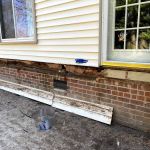
- Termites: Flooding can weaken wood structures, creating an ideal environment for termites to invade. These pests can cause significant structural damage over time if left unchecked.
Steps to Plan Pest Control After Flood Damage
Effective pest control after a flood involves several key steps to ensure that pests are eliminated and future infestations are prevented. Here's how you can plan your pest control strategy:
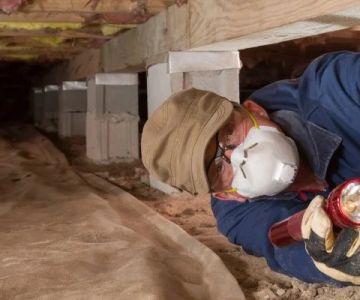
- Step 1: Assess the Damage: Begin by thoroughly inspecting your home for flood damage, including any areas where pests might gain entry, such as cracks in walls or doors, gaps around windows, and damaged screens. This initial assessment will help you identify potential pest entry points and high-risk areas.
- Step 2: Remove Stagnant Water: One of the main contributors to post-flood pest problems is standing water. Mosquitoes, in particular, thrive in stagnant water. Empty all containers, clean out gutters, and ensure that no water is left standing around your property. This is one of the most effective ways to reduce mosquito breeding.
- Step 3: Seal Off Entry Points: Once you've identified areas where pests could enter, it’s crucial to seal them off. Repair any cracks in the walls, fix damaged doors, and replace torn window screens. This prevents pests from getting inside your home and creating further problems.
- Step 4: Set Traps and Baits: For rodents, setting traps and using baits can be highly effective. Place traps in areas where you’ve noticed signs of rodent activity, such as droppings or chewed materials. Be sure to use the appropriate bait for the type of rodent you're trying to control.
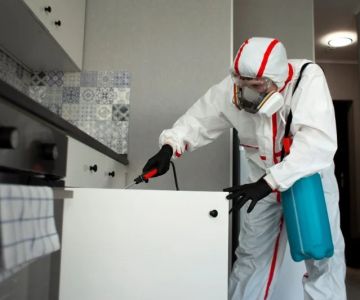
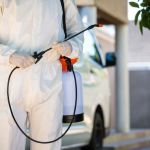
- Step 5: Use Pest Control Sprays: After sealing off entry points, you may want to apply pest control sprays around the exterior of your home and in areas where you’ve seen pest activity. Always follow safety instructions and use eco-friendly or non-toxic sprays when possible to minimize risks to pets and children.
Natural Ways to Prevent Pests After Flooding
If you're concerned about using chemicals or want to adopt a more environmentally friendly approach, several natural pest control methods can help keep pests at bay:
- Essential Oils: Essential oils like citronella, peppermint, and eucalyptus are known to repel mosquitoes, ants, and even rodents. You can use these oils in diffusers or mix them with water and spray the solution around your home.
- Diatomaceous Earth: Diatomaceous earth is a natural substance that can be used to control insects like ants, cockroaches, and termites. It’s harmless to humans and pets but deadly to insects, as it dehydrates them.
- Neem Oil: Neem oil is another natural repellent that works well for repelling insects, including mosquitoes and termites. It can be sprayed around the home or garden to create a barrier against pests.
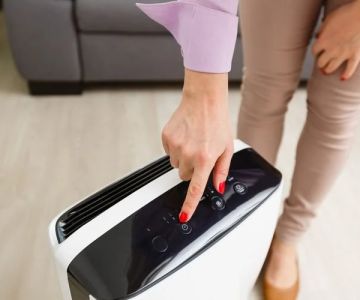
- Keep Your Home Dry: Ensure your home remains dry to deter pests like termites, cockroaches, and ants, which thrive in damp conditions. Using dehumidifiers and fixing leaks can help reduce moisture levels inside your home.
When to Call a Professional Pest Control Service
While many pest control steps can be handled independently, there are situations where it's best to call in a professional. If you encounter any of the following, consider contacting a pest control service:
- Persistent Rodent Infestation: If you’ve set traps and still notice signs of rodents, a professional pest control service may be necessary to fully eliminate the infestation.
- Severe Termite Damage: Termites can cause extensive damage to the structure of your home. If you spot termites or notice damage, it’s crucial to call in a professional to assess the situation and prevent further damage.
- Health Concerns: Some pests, like mosquitoes and rats, can carry diseases. If you're concerned about health risks, a professional pest control company can help you address the issue quickly and effectively.
By taking these steps to plan your pest control strategy after flood damage, you can keep your home safe and free from unwanted pests. For more guidance on pest management and solutions, visit PestControlHub to find the best products and services for your needs.
 Boggs Pest Control Inc.4.0 (42 reviews)
 Hawk Mosquito & Pest5.0 (351 reviews)
 Mosquito Squad of North Shore4.0 (1143 reviews)
 Dr. Killem Termite and Pest Control4.0 (31 reviews)
 Complete Pest Solutions4.0 (379 reviews)
 Bug Out4.0 (231 reviews)
 How to Deal With Pest Infestations Near Water Features
 How to Stage a Pest Control Plan for New Homeowners
 What Home Buyers Should Know About Pests Before Closing
 How to Prevent Pest Infestations in Storage Units | Expert Tips
 How to Use Monitors to Detect Pest Entry: A Comprehensive Guide
 How Crowded Attics Attract Rodents and How to Prevent Infestations