
- 1-Understanding Preventative Barriers
- 2-Why Early Prevention Is Crucial
- 3-How to Install Preventative Barriers
- 4-Common Preventative Barrier Methods
- 5-Real-Life Examples of Preventative Barriers in Action
1. Understanding Preventative Barriers
Preventative barriers are proactive measures that homeowners can take to protect their property from pests. These barriers can be physical or chemical, and their goal is to prevent pests from entering your home. While it’s common to treat a pest problem once it has arisen, preventative barriers focus on stopping the problem before it starts. By using these barriers early, you can save time, money, and stress down the line.
For many pests, including rodents, insects, and other wildlife, the easiest way into your home is through small cracks, gaps, and unsealed entry points. Preventative barriers work by sealing these vulnerabilities and creating a protective shield around your home. This prevents pests from accessing your living spaces and nesting inside.

2. Why Early Prevention Is Crucial
Early prevention is vital for long-term pest control because it stops infestations before they start. Pests often enter homes when the weather changes, especially during fall and winter when they seek warmth and shelter. Waiting until you spot a problem can make it more difficult and expensive to eliminate pests, as they have already established nests or colonies in your home.
By installing preventative barriers early, you take the proactive step of protecting your home against potential pest threats. Additionally, early prevention allows you to address minor issues before they become major infestations. The sooner you act, the less likely you are to face costly repairs, structural damage, or health risks associated with pests like termites, rodents, or cockroaches.

North Fulton Pest Solutions
AlpharettaForsyth CountyGeorgia
1867 McFarland Pkwy, Alpharetta, GA 30005, USA
3. How to Install Preventative Barriers
Installing preventative barriers is a relatively straightforward process, and many homeowners can do it themselves with minimal effort. Here are the basic steps:
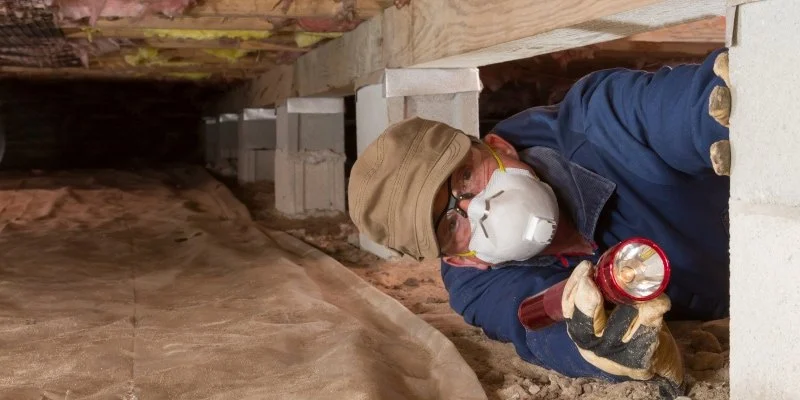
- Identify Vulnerable Areas: Walk around your property and look for cracks, gaps, or other entry points that pests might use to get inside. Pay attention to areas around windows, doors, vents, pipes, and the foundation.
- Seal Cracks and Gaps: Use caulking or sealant to close small cracks around windows, doors, and baseboards. For larger holes, you may need to use materials like steel wool, foam insulation, or mesh wire to seal them effectively.
- Install Screens and Vents: Ensure that any vents, chimneys, or other openings have secure screens or mesh to prevent pests from entering. You can buy vent covers that are specifically designed to keep pests out.
- Use Pest-Repellent Barriers: Consider using chemical or natural repellents along the perimeter of your home. These repellents can be applied in a spray or granule form, creating an invisible barrier that deters pests.
- Inspect Regularly: Prevention doesn’t stop after the initial installation. Conduct regular inspections of your home to ensure that the barriers remain intact and effective. Reapply treatments as needed.
With these simple steps, you can create an effective barrier against pests and reduce the risk of infestations before they even begin.
4. Common Preventative Barrier Methods
There are several methods you can use to create effective preventative barriers against pests. Some are DIY-friendly, while others might require professional help. Here are some common barrier methods:
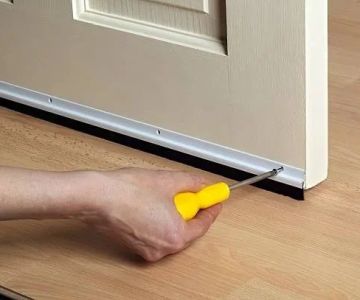
- Physical Barriers: These include sealing cracks and gaps with caulk or weatherstripping, installing door sweeps, and placing screens over vents and chimneys. Physical barriers physically block pests from entering your home.
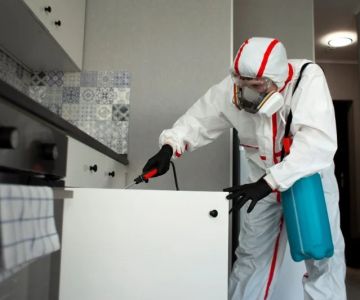
- Chemical Barriers: Chemical repellents, such as sprays and powders, can be applied along the foundation of your home or in high-risk areas. These create a scent barrier that pests find unpleasant, deterring them from entering.
- Natural Barriers: If you prefer eco-friendly methods, natural repellents such as essential oils (peppermint, citronella, eucalyptus) can be used to keep pests at bay. These are often safe for pets and children.
- Landscape Barriers: Planting certain types of plants like lavender, citronella grass, or marigolds around your home can help deter pests. These plants naturally repel insects like mosquitoes and ants.
By combining several of these methods, you can create a multi-layered barrier that offers stronger protection against pests.
5. Real-Life Examples of Preventative Barriers in Action
Real-life examples demonstrate the effectiveness of preventative barriers in keeping homes pest-free. One homeowner in Florida implemented a combination of physical and chemical barriers by sealing cracks around windows and doors, and applying a natural peppermint oil solution along the base of the house. Within months, the homeowner reported a significant decrease in the number of pests in and around their home, especially ants and spiders.
Another example comes from a family in California who experienced frequent termite infestations. They decided to install a professional-grade barrier around their foundation using a chemical treatment that prevents termites from entering the home. After installation, the family didn’t experience any termite activity for over two years, saving them from costly repairs and damage to their property.
These examples show that using preventative barriers early can lead to long-term savings, greater peace of mind, and fewer pest-related problems down the road.
If you're looking for more advice on pest prevention or the best products to use, visit PestControlHub for expert recommendations and services tailored to your needs.




 Ron's Pest Control4.0 (9 reviews)
 Excel Pest Services4.0 (34 reviews)
 Global Pest Management-Suwanee4.0 (7 reviews)
 Clae Pest Control4.0 (566 reviews)
 Bardstown Enterprises Inc4.0 (5 reviews)
 Patriot pest solutions llc4.0 (11 reviews)
 How to Use Preventative Barriers Early
 How to Use Low-Toxicity Treatments Around Living Areas for Safe Pest Control
 How to Protect Your Home from Termites During Drought
 How to Evaluate Pest Control Guarantees | PestControlHub
 How to Use Barrier Treatments in Key Zones for Effective Pest Control
 How to Deal With Pest Infestations in Basements