
- Why Sealing Crawlspace Doors Is Important
- Common Pests That Enter Through Crawlspaces
- How to Identify Gaps and Cracks in Crawlspace Doors
- Best Materials for Sealing Crawlspace Doors
- Step-by-Step Guide to Sealing Your Crawlspace Door
- Additional Tips for Pest Prevention in Your Crawlspace
1. Why Sealing Crawlspace Doors Is Important
The crawlspace of your home is an essential part of its structure, but it can also be an entry point for pests looking for food, warmth, and shelter. Crawlspace doors, if not properly sealed, can allow rodents, insects, and even larger wildlife to invade your home, leading to potential damage and health risks. Sealing these doors is an important step in pest control, ensuring that your home remains safe and pest-free.

1.1. Protecting Your Home from Pest Damage
Pests that enter through crawlspaces can cause significant damage to your home. Rodents, for instance, can chew on wires, insulation, and even the structural components of your house. Insects such as termites or ants can compromise the integrity of wooden beams and framing. By sealing your crawlspace doors, you prevent these pests from gaining access, protecting your home from costly repairs.
Connelly Pest Control LLC
RoyersfordMontgomery CountyPennsylvania
17 Church Rd, Royersford, PA 19468, USA
1.2. Preventing Health Risks
In addition to the physical damage pests can cause, they also pose health risks. Rodents and insects can carry diseases, and their droppings can contaminate your living space. Sealing the crawlspace door helps keep these pests from spreading germs and allergens throughout your home, ensuring a healthier environment for you and your family.
2. Common Pests That Enter Through Crawlspaces
Several types of pests are known to enter homes through crawlspaces. Understanding which pests are most likely to invade can help you take the necessary precautions when sealing your crawlspace door.
2.1. Rodents (Rats and Mice)
Rodents are one of the most common pests to invade homes through crawlspaces. They can squeeze through small gaps and holes, finding shelter in the warmth of your home. Once inside, they can cause extensive damage by chewing on wires, insulation, and even pipes.
2.2. Insects (Termites, Ants, and Cockroaches)
Termites can enter through gaps in crawlspace doors, feeding on the wooden structure of your home. Carpenter ants and other insects may also use crawlspaces as entry points. Cockroaches are notorious for hiding in dark, damp places and can quickly spread through your home once inside.
2.3. Larger Wildlife (Squirrels, Raccoons, and Opossums)
Larger animals like squirrels, raccoons, and opossums can sometimes enter crawlspaces in search of food or a safe place to nest. Once inside, they can cause significant damage to your property by gnawing on insulation, wiring, or even tearing up parts of the crawlspace to make a nest.
3. How to Identify Gaps and Cracks in Crawlspace Doors
Before sealing your crawlspace doors, you need to identify any gaps, cracks, or holes that might allow pests to enter. Here’s how to check for potential entry points:
3.1. Inspect the Door Frame
The door frame is the first place to check for gaps. Look for any visible cracks or spaces between the door and the frame. Even a small gap can be enough for pests to squeeze through. Pay special attention to the corners, where gaps are often more pronounced.
3.2. Examine the Door Seal
If your crawlspace door has a weatherstripping seal, check to see if it is worn, torn, or missing. A compromised seal is a direct entry point for pests. Replace any damaged seals to ensure they are functioning properly.
3.3. Look for Signs of Pest Activity
Look for signs of pest activity around the crawlspace door. This could include droppings, gnaw marks, or tracks. If you notice these signs, it's a clear indication that pests are using the crawlspace as an entry point, and immediate action should be taken to seal the door.
4. Best Materials for Sealing Crawlspace Doors
To effectively seal your crawlspace door, you’ll need the right materials. Here are some of the best options for ensuring a tight seal:
4.1. Weatherstripping
Weatherstripping is an affordable and effective solution for sealing gaps around doors. It is available in various materials, including rubber, foam, and vinyl, and can be easily applied to the edges of your crawlspace door to block out pests.
4.2. Caulk
Caulk is ideal for filling small cracks and gaps around the door frame. It is especially useful for sealing gaps that are difficult to reach with weatherstripping. Silicone caulk is durable and resistant to moisture, making it a great choice for outdoor use.
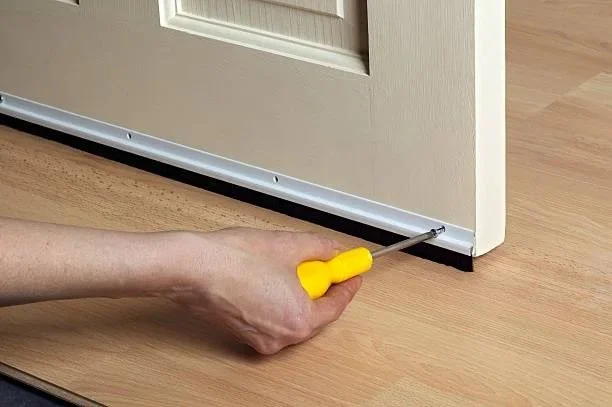
4.3. Door Sweeps
Installing a door sweep on the bottom of the crawlspace door will help close any gaps between the door and the ground. This is particularly useful if the door is slightly misaligned or if there is a noticeable gap at the bottom.
5. Step-by-Step Guide to Sealing Your Crawlspace Door
Now that you know how to identify gaps and cracks, here’s a step-by-step guide to properly seal your crawlspace door:
5.1. Clean the Area
Start by cleaning the area around the door. Remove any debris, dirt, or old weatherstripping that could interfere with the sealing process.
5.2. Apply Weatherstripping or Caulk
For larger gaps, apply weatherstripping to the edges of the door. For smaller cracks, use caulk to fill them. Ensure that the caulk is applied smoothly and evenly for the best seal.
5.3. Install a Door Sweep
If needed, install a door sweep at the bottom of the door to close any remaining gaps. Ensure that the sweep is firmly attached and makes contact with the ground to prevent pests from entering.
5.4. Inspect and Test
Once you’ve sealed the door, inspect your work to make sure all gaps are properly sealed. Test the door by closing it and checking for any drafts or openings. If you find any issues, apply additional weatherstripping or caulk as necessary.
6. Additional Tips for Pest Prevention in Your Crawlspace
In addition to sealing your crawlspace door, there are other steps you can take to prevent pests from entering your home:
6.1. Install Vent Covers
Install vent covers on any open vents in the crawlspace to prevent pests from entering through those openings. Make sure the covers are securely fastened and made of durable materials.
6.2. Maintain Proper Drainage
Ensure that your crawlspace is properly ventilated and that water doesn’t pool near the foundation. Standing water can attract pests and create an environment for mold growth. Install gutters and downspouts to direct water away from the crawlspace.
For expert pest control products and solutions to protect your crawlspace and home, visit PestControlHub for the best options available.


 Mosquito Joe of Springfield5.0 (441 reviews)
 Orkin4.0 (964 reviews)
 SmartGreen Pest and Mosquito Control5.0 (45 reviews)
 Jabco Pest Control Services5.0 (24 reviews)
 D-Bug Pest Control, Inc.5.0 (102 reviews)
 Winners pest control5.0 (55 reviews)
 How to Prevent Pest Growth in Basements – Effective Solutions and Tips
 How to Use Insect Growth Regulators (IGRs) Effectively – A Guide to Pest Control
 How to Seal Gaps at Door Bottoms to Block Insects
 How to Address Pest Issues in Spring Planting for Healthy Gardens
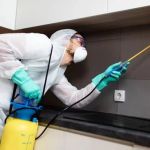 How to Control Pests in Crawl Spaces: Effective Methods for a Pest-Free Home
 How to Keep Wasps Away From Garage Openings