
- #what-causes-gaps-in-door-bottoms—What Causes Gaps at the Bottom of Doors?
- #importance-of-sealing-door-gaps—Why Sealing Gaps at Door Bottoms is Important
- #best-methods-to-seal-door-gaps—Best Methods for Sealing Door Gaps to Block Insects
- #common-pest-infestations-from-door-gaps—Common Pest Infestations Caused by Door Gaps
- #tools-and-materials-for-sealing-door-gaps—Tools and Materials for Sealing Door Gaps
What Causes Gaps at the Bottom of Doors?
Gaps at the bottom of doors are a common issue in many homes. These gaps can form over time due to a variety of reasons, such as the natural settling of a building, wear and tear, or improper door installation. As a result, small openings can appear, creating an easy entry point for insects and pests.
Additionally, changes in weather conditions, like temperature fluctuations or humidity, can cause materials to expand and contract. Wooden doors, in particular, are susceptible to this movement, leading to gaps at the door bottom. Whether the gap is large or small, it provides an invitation for insects to make their way inside your home.
Green Pest Management
ScherervilleLake CountyIndiana
228 W Lincoln Hwy #156, Schererville, IN 46375, USA
Why Sealing Gaps at Door Bottoms is Important
Sealing gaps at the bottom of doors is essential for several reasons:
1. Preventing Pest Infestations: A small gap under your door can allow a variety of pests such as ants, cockroaches, and even rodents to enter your home. Sealing these gaps is one of the most effective ways to prevent these pests from gaining access.
2. Improving Energy Efficiency: Gaps in your doors not only invite pests but also lead to drafts, causing your home’s heating and cooling systems to work harder. By sealing the gaps, you can reduce your energy bills and improve comfort within your home.
3. Enhancing Indoor Comfort: Sealing gaps also helps to maintain a more comfortable indoor environment by keeping the temperature inside regulated and blocking the entry of dust and dirt.

Best Methods for Sealing Door Gaps to Block Insects
There are several effective methods for sealing gaps at the bottom of doors to prevent insects from entering. Each method can be chosen based on the severity of the gap and the material of the door:
1. Door Sweeps: A door sweep is an easy and affordable way to seal the gap at the bottom of a door. It consists of a strip of rubber, metal, or vinyl that attaches to the door’s bottom edge. Door sweeps are particularly effective for blocking insects and pests, as they provide a tight seal.
2. Weatherstripping: Weatherstripping is another great option for sealing gaps and blocking drafts. It can be applied to the door frame or the bottom of the door itself. Available in a variety of materials (foam, rubber, felt), weatherstripping is an excellent option for both insect control and energy efficiency.
3. Thresholds: Installing a threshold or door bottom seal is another effective method for blocking gaps. Thresholds are particularly useful for larger gaps and can be combined with door sweeps for added protection against pests.
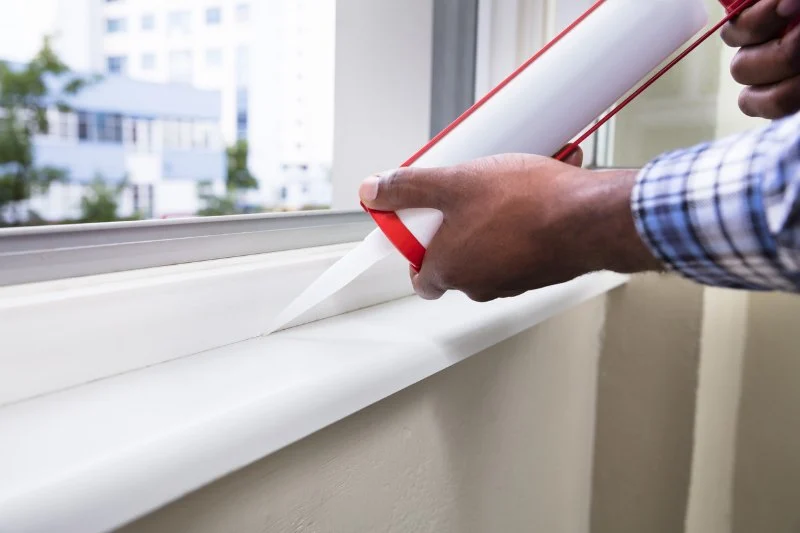
4. Caulk: For smaller gaps and cracks around the edges of a door, caulking can be an ideal solution. Apply caulk along the perimeter of the door frame to seal gaps and prevent insects from entering. Be sure to use a high-quality, durable caulk designed for exterior use.
Common Pest Infestations Caused by Door Gaps
Leaving gaps at the bottom of your doors untreated can lead to a variety of pest infestations. Here are some common pests that enter through door gaps:
1. Ants: Ants are notorious for finding small openings in your home. They can enter through gaps in doors in search of food or water. Sealing door gaps can significantly reduce the chances of an ant infestation.
2. Cockroaches: Cockroaches are resilient pests that can squeeze through even the tiniest openings. They often invade homes through door gaps, especially in search of warmth and food. Keeping your door gaps sealed is a crucial step in controlling cockroach populations.
3. Rodents: Mice and rats can easily squeeze through gaps in doors. Once inside, they can cause damage to your property and pose health risks. Sealing these gaps helps prevent rodents from gaining entry into your home.
4. Spiders: Spiders can also make their way through door gaps. While not always harmful, the presence of spiders can be unsettling. Sealing gaps is an easy way to reduce the likelihood of encountering spiders in your home.
Tools and Materials for Sealing Door Gaps
When sealing gaps at the bottom of your doors, having the right tools and materials is essential for achieving the best results. Here’s a list of tools and materials you might need:
1. Measuring Tape: A measuring tape is essential for accurately measuring the length of the gap and ensuring that the materials you purchase will fit the door perfectly.
2. Utility Knife: A utility knife will help you cut weatherstripping or door sweep materials to the correct size. It’s also useful for trimming excess caulk.
3. Adhesive or Nails: Depending on the type of seal you choose, you may need adhesive or nails to secure the materials in place. Make sure to select a strong adhesive for outdoor use to ensure durability.
4. Caulk Gun: If using caulk, you’ll need a caulk gun to apply it smoothly and evenly along the edges of the door frame.
In conclusion, sealing gaps at the bottom of doors is a simple yet effective way to block insects and improve the overall comfort and energy efficiency of your home. Whether you choose door sweeps, weatherstripping, or thresholds, these methods can help you protect your home from pests and keep your living environment safe and comfortable. For more information on pest prevention and effective sealing solutions, visit PestControlHub.

 First In Termite And Pest Control5.0 (2 reviews)
 Arrow Exterminators5.0 (287 reviews)
 Pine Pest Control4.0 (99 reviews)
 Green Pest Services4.0 (365 reviews)
 Midwest Exterminating4.0 (6 reviews)
 Protechs Restoration Inc.2.0 (3 reviews)
 How to Safely Relocate Wildlife (Skunks, Opossums, Birds): A Comprehensive Guide
 How to Spot Pest Damage in Attic Insulation
 How to Maintain Pest-Free Landscapes Year-Round
 How to Use Low-Toxic Sprays Safely: A Complete Guide
 How to Use Non-Chemical Barriers for Pest Control: Natural Solutions for Your Home
 How to Safely Use Heat Treatments for Bed Bugs