How to Use Targeted Barrier Treatments for Effective Pest Control
- 1. Understanding Barrier Treatments
- 2. How Do Targeted Barrier Treatments Work?
- 3. The Benefits of Barrier Treatments
- 4. How to Apply Barrier Treatments Effectively
- 5. Best Practices for Using Barrier Treatments
1. Understanding Barrier Treatments
Barrier treatments are an essential tool in pest control, especially for preventing infestations before they even start. These treatments involve creating a protective barrier around your home or property, which deters pests from entering or establishing themselves inside. Barrier pest control is particularly effective for pests like ants, termites, rodents, and insects.
Parkway Pest Services
Great NeckNassau CountyNew York
134 Middle Neck Rd Suite 224, Great Neck, NY 11021, USA
2. How Do Targeted Barrier Treatments Work?
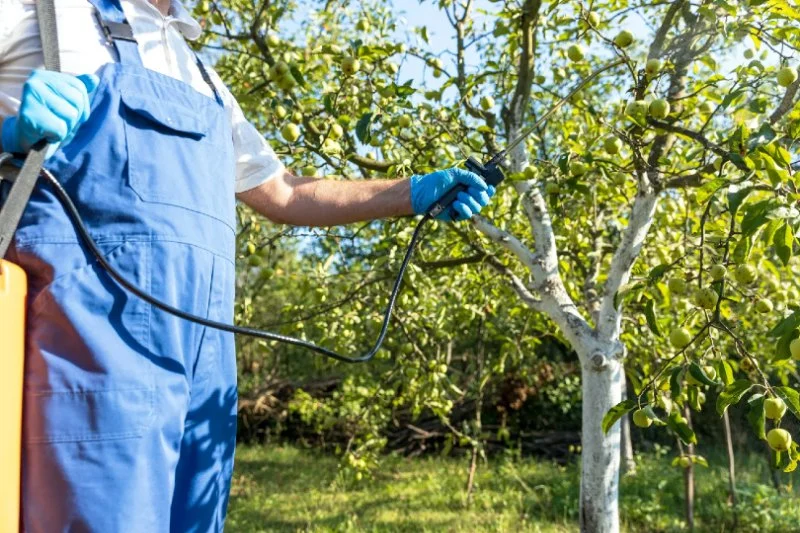
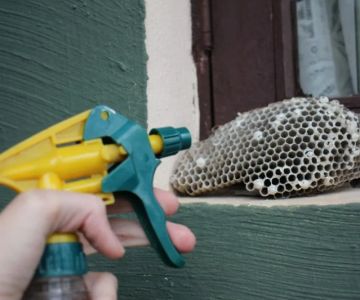
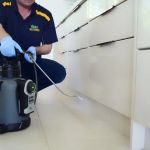
Targeted barrier treatments work by applying pesticides or other deterrents to areas where pests are most likely to enter or gather. The treatment creates a zone of protection that pests encounter as they attempt to invade your home or property. Once they come into contact with the barrier, the pests are either repelled or killed, effectively stopping them from making their way inside.
Ben the Bug Man, A-1 Pest Control Inc.
EvansvilleVanderburgh CountyIndiana
1505 S Green River Rd, Evansville, IN 47715, USA
1. Chemical Barriers
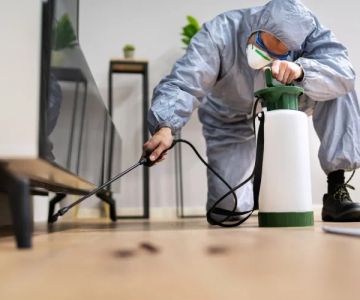
Chemical barriers use insecticides or rodenticides that are applied to specific areas, such as cracks, gaps, and entry points around your home. These chemicals either kill pests on contact or repel them from entering your home.
2. Natural Barriers
Natural barriers involve using non-toxic substances such as diatomaceous earth, essential oils, or other eco-friendly solutions to prevent pest entry. These barriers are particularly appealing for those who want a more environmentally conscious pest control solution.
3. The Benefits of Barrier Treatments
Barrier treatments offer numerous benefits for homeowners looking to prevent pests. Here are some key advantages:
1. Long-Term Pest Prevention
One of the major benefits of barrier treatments is their long-lasting effects. Once the barrier is set up, it can provide protection for weeks or even months, depending on the type of treatment used. This helps to significantly reduce the risk of pest infestations over time.
2. Targeted Approach
Unlike broad-spectrum pesticides, barrier treatments focus on specific entry points, providing a more targeted approach. This reduces the risk of unnecessary exposure to chemicals and ensures that the treatment is effective in the areas most vulnerable to pest invasion.
3. Minimal Disruption to Daily Life
Since barrier treatments are typically applied to the exterior of the home or in specific areas, they cause minimal disruption to daily life. You won’t have to worry about your indoor spaces being affected or re-organizing your furniture to accommodate the treatment.
4. How to Apply Barrier Treatments Effectively
Applying barrier treatments is a straightforward process, but it requires attention to detail to ensure effectiveness. Follow these steps to apply barrier treatments properly:
1. Identify Pest Entry Points
Before applying any treatment, you must identify where pests are entering your home. Look for cracks around windows, doors, and the foundation, as well as any other potential entryways. Pay attention to areas where pests have previously been seen.
2. Choose the Right Treatment
Once you’ve identified the entry points, select the appropriate treatment. Chemical treatments can be used for serious infestations, while natural solutions may be suitable for mild cases or eco-friendly preferences. Always follow the manufacturer's instructions for application.
3. Apply Treatment Around the Home
Apply the barrier treatment along the foundation, around windows, doors, and any other areas where pests might enter. Be thorough but avoid over-applying, as excessive use of chemicals can be wasteful and harmful to the environment.
4. Reapply as Needed
Depending on the type of barrier treatment, reapplication may be required over time. Monitor the effectiveness of the barrier and reapply the treatment when necessary to maintain protection.
5. Best Practices for Using Barrier Treatments
To ensure that your barrier treatments are as effective as possible, keep the following best practices in mind:
1. Regular Inspections
Inspect your home regularly for signs of pest activity. If you notice an increase in pest sightings, it may be time to reapply or choose a different type of barrier treatment.
2. Combine with Other Pest Control Methods
While barrier treatments are effective on their own, combining them with other pest control methods, such as traps or natural repellents, can provide even greater protection against pests.
3. Consider Professional Help
If you’re unsure about applying barrier treatments yourself, consider consulting a pest control professional. They can provide expert advice on the best treatment methods for your specific needs and ensure that the application is done safely and effectively.
Targeted barrier treatments are an excellent way to prevent pest infestations and protect your home. Whether you choose chemical or natural treatments, the key to success lies in proper application and ongoing monitoring. For more information on pest control and barrier treatments, visit PestControlHub for expert tips, products, and services.


 Mosquito Shield of Buffalo4.0 (74 reviews)
 F&W Pest Control4.0 (545 reviews)
 Bug Out4.0 (1266 reviews)
 Heavens Best Pest Control4.0 (57 reviews)
 Bug-N-A-Rug Exterminators5.0 (462 reviews)
 Pest Management Sciences Inc. - Mrs. Advani Pest Control School5.0 (147 reviews)
 How to Get Rid of Bed Bugs Without Poisoning Your Home: Safe and Effective Solutions
 How to Use Low-Toxic Baits for Rodents: A Safer Way to Control Pests
 How to Deal With Pest Issues Near Pools – Effective Control Tips
 Why Some Pests Return After Treatment—and What to Do | PestControlHub
 What to Do Immediately After Spotting a Pest in Your Home: Essential First Steps
 How to Monitor Pest Activity After Treatment