
- 1. What Is Thermal Imaging?
- 2. How Thermal Imaging Helps Detect Termite Damage
- 3. Advantages of Using Thermal Imaging for Termite Detection
- 4. How to Use Thermal Imaging to Spot Termite Damage
- 5. Real-Life Examples of Thermal Imaging in Termite Detection
1. What Is Thermal Imaging?
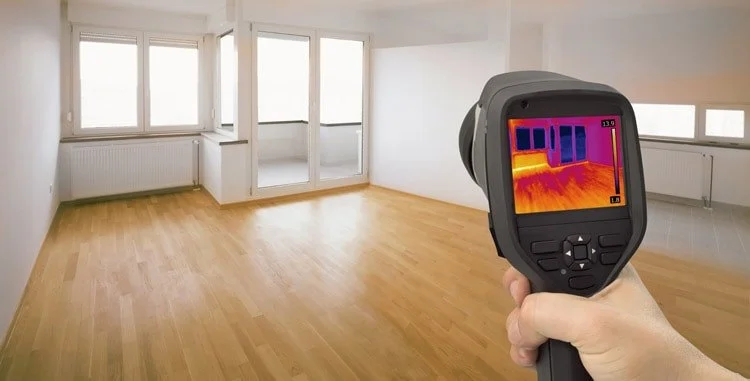
Thermal imaging is a technique that uses infrared cameras to detect temperature differences in objects and surfaces. The camera generates an image based on these temperature variations, which can be analyzed to reveal hidden problems that are not visible to the naked eye. This technology is widely used in many fields, including building inspections, electrical work, and pest control.
In pest control, thermal imaging is particularly useful for detecting hidden damage caused by termites. Since termites feed on wood and other materials, they can cause internal damage that isn’t immediately visible. Thermal imaging can detect these temperature differences, allowing for early detection of termite infestations.
Truly Nolen Pest and Termite Control - Monmouth County
Neptune CityMonmouth CountyNew Jersey
1301 Corlies Ave #6ac, Neptune City, NJ 07753, USA
2. How Thermal Imaging Helps Detect Termite Damage
Termites are notorious for their ability to hide inside walls and other structures, making them difficult to detect. They often cause significant damage before homeowners even notice their presence. However, using thermal imaging for termite detection offers a way to identify these pests before they do more harm.
Termites create heat when they feed on wood or other materials. Thermal cameras can detect the slight temperature variations in the affected area, even if the damage is hidden behind walls or under floors. The heat generated by termite activity often shows up as a temperature difference compared to the surrounding areas, alerting the technician to the possible presence of termites.
By using thermal imaging, professionals can scan large areas quickly and efficiently, pinpointing exact locations of termite activity without causing any damage to your property. This allows for early intervention and reduces the need for extensive repairs down the line.
3. Advantages of Using Thermal Imaging for Termite Detection
Using thermal imaging for termite detection offers several significant advantages over traditional inspection methods:
1. Non-Destructive: Thermal imaging allows inspectors to identify termite damage without having to cut into walls or dig up floors. This makes the process non-invasive and reduces the risk of causing additional damage to your property.
2. Early Detection: Since thermal imaging can detect subtle temperature differences, it helps spot termite damage in the early stages, before it becomes a major issue. This early detection can save you money on repairs and prevent widespread infestation.
3. Comprehensive Coverage: Thermal imaging cameras can scan large areas in a short amount of time, allowing for a thorough inspection of your home. This comprehensive coverage ensures that no hidden termite activity goes unnoticed.
4. Accurate Identification: Thermal imaging provides clear, visual results that help pest control professionals accurately identify areas of concern. This ensures that the right treatment plan is put in place to address the issue effectively.
4. How to Use Thermal Imaging to Spot Termite Damage
Using thermal imaging to spot termite damage involves several steps, usually carried out by a professional pest control technician. Here’s how the process typically works:
1. Preparation: Before using thermal imaging, the area to be inspected should be prepared. This may involve turning off the air conditioning or heating in the building, as temperature differences can affect the results. It’s also important to ensure the area is clean and free of any obstructions that could interfere with the camera’s readings.
2. Scanning: The technician will then use a thermal camera to scan the walls, floors, and other areas where termite activity may be present. The camera will detect temperature variations in these surfaces, revealing potential hotspots where termites may be active.
3. Analysis: Once the thermal images are captured, they will be analyzed to identify areas of concern. The technician will look for patterns that indicate termite activity, such as a significant temperature difference between the surface and surrounding areas.
4. Confirmation: If the thermal imaging indicates possible termite activity, the technician may confirm the presence of termites by conducting additional tests, such as tapping the walls to listen for hollow sounds or inspecting the area visually for any signs of infestation.
5. Treatment: Once the termite damage is confirmed, the technician will recommend an appropriate treatment plan to eliminate the infestation and prevent future damage.
5. Real-Life Examples of Thermal Imaging in Termite Detection
Thermal imaging has been successfully used in termite detection in numerous real-life cases. Here are a few examples:
1. Example 1: Early Detection in a Residential Home: A homeowner in California was concerned about possible termite damage in their property after noticing some soft spots in the wood. A thermal imaging scan revealed temperature differences in the walls, indicating hidden termite activity. Early treatment helped prevent further damage and saved the homeowner thousands of dollars in repairs.
2. Example 2: Commercial Building Inspection: A commercial building in Texas was undergoing routine maintenance when a thermal imaging scan revealed signs of termite activity in several areas that were not visible to the naked eye. The early detection allowed the property managers to address the issue before it spread, protecting the building’s structural integrity.
3. Example 3: Detecting Hidden Termite Damage in a Vintage Home: A historic home in Florida had been experiencing unexplained structural issues. A thermal imaging inspection uncovered hidden termite damage that had been affecting the home’s foundation. Thanks to the thermal imaging technology, the termite infestation was treated before it caused any further damage to the vintage property.
Thermal imaging offers a modern, efficient, and non-invasive solution for detecting termite damage early, saving homeowners and businesses time and money. For the best pest control products and services, check out PestControlHub for expert advice and the latest termite prevention tools.



 Moxie Pest Control4.0 (1636 reviews)
 Pest Pros of Michigan4.0 (1186 reviews)
 Mosquito Shield of Northwest Atlanta4.0 (24 reviews)
 Royal Termite Control Inc4.0 (76 reviews)
 Home Paramount Pest Control4.0 (60 reviews)
 Waltham Pest Services4.0 (41 reviews)
 How to Use Low Impact Treatments in Sensitive Areas for Effective Pest Control
 How to Use Low-Toxicity Sprays in Sensitive Areas – Safe Pest Control Solutions
 How to Reduce Pest Attraction Through Landscaping
 How to Prevent Pest Intrusion via Landscaping: Tips for a Pest-Free Yard
 How to Prevent Pest Spread via Firewood: Essential Tips for Protecting Your Home
 How to Protect Your Home from Cockroaches in Hot Weather