
- 1. Introduction to Termite Risk During Drought
- 2. Understanding Termite Behavior in Drought Conditions
- 3. Preventive Measures to Protect Your Home
- 4. Signs of Termite Infestation to Watch For
- 5. When to Seek Professional Help for Termite Control
1. Introduction to Termite Risk During Drought
As the weather grows drier and drought conditions set in, homeowners often focus on protecting their property from the physical impacts of a lack of water. However, it’s important to remember that drought can also affect pest behavior, particularly termites. In fact, the dry conditions can increase the risk of termite infestations if proactive steps aren’t taken.
Termites are highly adaptable creatures, and during a drought, they may become more aggressive in their search for moisture and food sources, often leading them to invade homes. This article will discuss how you can protect your home from termites during a drought, signs of infestation, and effective preventive measures.

2. Understanding Termite Behavior in Drought Conditions
In dry conditions, termites become more active in their search for water, often making your home a prime target. Here’s how drought affects termite behavior:
- Increased Foraging: Termites forage more aggressively during dry spells, searching for new sources of moisture, including the wood and moisture in your home’s structure.
- Colonies Moving Underground: Drought conditions can cause termite colonies to relocate to more humid environments, which might include your basement or crawlspace.
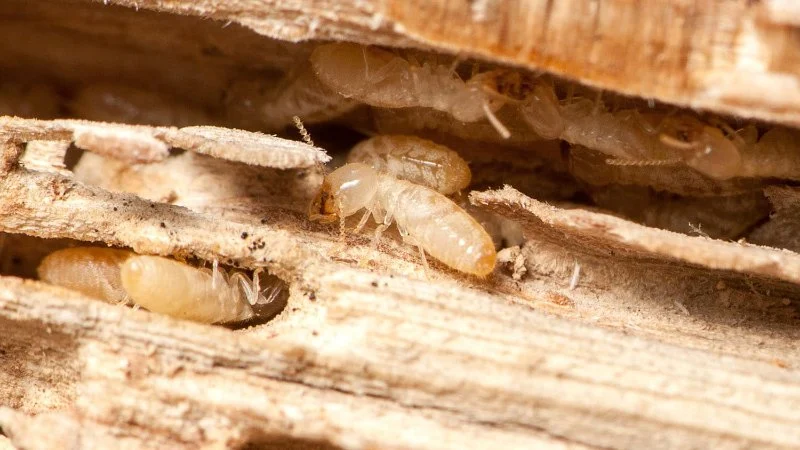
- Drywood Termite Activity: Drywood termites, which don’t rely on soil moisture, are particularly active during droughts. They can be hard to detect since they live within the wood they consume.
3. Preventive Measures to Protect Your Home
Protecting your home from termites during drought conditions involves several proactive measures:
- Seal Entry Points: Check for and seal any cracks or gaps around doors, windows, and foundation walls. These entry points provide a way for termites to invade your home.
- Moisture Control: Address any moisture problems, such as leaky pipes or standing water, which can attract termites. Keeping moisture levels controlled reduces the chances of termites moving in.
- Trim Trees and Shrubs: Keep trees and shrubs away from your home. Overhanging branches or dense foliage provide a pathway for termites to get closer to your house.
- Proper Drainage: Ensure your home has good drainage. Water should flow away from the foundation to avoid moisture buildup, which can attract termites.
- Regular Inspections: Have regular termite inspections performed by a pest control professional. They can identify any potential risks and provide treatments before an infestation occurs.
4. Signs of Termite Infestation to Watch For
Identifying termite damage early can save you from expensive repairs. Watch for the following signs that could indicate a termite infestation:
- Wood Damage: Hollow-sounding wood, blistering or peeling paint, and wood that crumbles easily can be signs of termite activity.
- Mud Tubes: Mud tubes on exterior walls or inside basements indicate subterranean termites. These tubes are used by termites to travel between their nest and food sources.
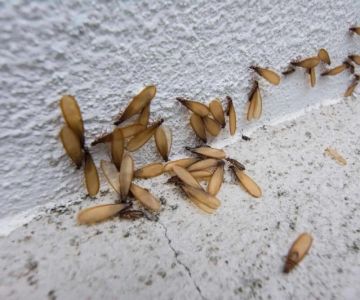
- Swarming: If you notice flying insects around your home, especially in spring or summer, it may be a sign that termites are swarming to form new colonies.
- Frass: Drywood termites produce small pellets of fecal matter, known as frass. If you find these near wooden structures, it may indicate an infestation.
5. When to Seek Professional Help for Termite Control
While DIY methods can help prevent termites, it’s often best to seek professional pest control services to handle a potential infestation. Here are some situations where professional help is necessary:
- Severe Infestation: If you notice signs of a large termite infestation or significant damage to your home’s structure, it’s time to call in the experts.
- Ongoing Issues: If you’ve attempted DIY solutions but continue to see termite activity, a professional pest control service will have the tools and expertise to handle the problem effectively.
- Prevention and Treatment: Professional pest control services can apply preventative treatments that will protect your home from future infestations, especially during drought conditions.
For expert termite control services and advice on protecting your home, visit PestControlHub for trusted solutions and products.



 Connecticut Pest Elimination, LLC.4.0 (159 reviews)
 PureDefense Pest Solutions4.0 (2880 reviews)
 PJ Mac Pest Control5.0 (52 reviews)
 Lawn Doctor of Fairfield County and Westchester County4.0 (490 reviews)
 Certified Pest Solutions, Inc.4.0 (58 reviews)
 A Healthy Home5.0 (106 reviews)
 How to Prevent Pest Spread via Firewood: Essential Tips for Protecting Your Home
 How to Mitigate Pest Liability in Real Estate Deals
 How to Use Low Impact Treatments in Sensitive Areas for Effective Pest Control
 Why Some Pests Return After Treatment—and What to Do | PestControlHub
 How to Use Low-Toxic Sprays Safely: A Complete Guide
 What Happens During a Professional Pest Control Visit: A Complete Guide