
1. Introduction: Why Monitoring Pest Trends is Crucial
Pest infestations can wreak havoc on homes, businesses, and gardens, but keeping track of local pest trends can help you stay one step ahead. Monitoring pest activity is essential to prevent significant damage, reduce health risks, and manage the use of pesticides effectively. In this article, we’ll guide you through how to monitor pest trends locally, including the tools, methods, and insights you need to keep your environment pest-free.
Bunton Exterminating
WilliamstonAnderson CountySouth Carolina
905 Beaverdam Rd, Williamston, SC 29697, USA
2. Understanding Local Pest Trends
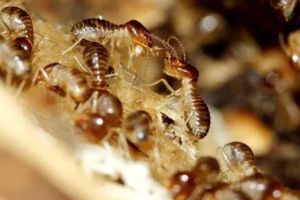
Local pest trends refer to the patterns of pest activity in your area over time. These trends are influenced by various factors, including climate, geography, and seasonal changes. For example, warmer temperatures can lead to an increase in the activity of pests like ants, termites, and mosquitoes. Understanding these patterns is key to effectively managing pest control and preventing infestations.

2.1 Seasonal Variations in Pest Activity
Most pests have seasonal cycles that influence their behavior and population growth. For instance, mosquitoes are more active in the summer, while rodents tend to seek shelter indoors during colder months. Keeping track of these seasonal variations will help you predict pest activity and take action before an infestation occurs.
2.2 Environmental Factors Affecting Pest Trends
Environmental conditions, such as rainfall, humidity, and temperature, significantly impact local pest populations. A wet spring can lead to an increase in mosquito breeding grounds, while a dry period can push pests to seek out water sources in homes. Monitoring local weather patterns and understanding how they influence pests can help you anticipate and manage pest trends more effectively.
3. Tools for Monitoring Pest Trends Locally
Tracking pest trends requires the right tools and resources. From DIY traps to professional monitoring systems, here are some options to help you stay informed:
3.1 Pest Detection Traps
Pest detection traps are an easy and effective way to monitor pest activity in your area. These traps can be used to catch and identify pests such as rodents, insects, and termites. They provide real-time data on pest activity and help you understand the scope of an infestation.
3.2 Online Pest Monitoring Services
Several online services and apps provide real-time data on local pest trends. These platforms collect data from multiple sources, including local pest control companies, to offer a detailed analysis of pest activity in your area. Some services even provide alerts when pest activity reaches a critical level.
3.3 Smart Pest Control Devices
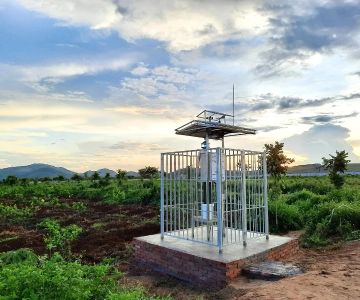
Smart devices, such as connected sensors and traps, allow you to monitor pest activity remotely. These devices send data to your smartphone, enabling you to track pest activity in real-time and take immediate action when necessary. They are particularly useful for commercial properties or large homes where manual monitoring may not be feasible.
4. Effective Methods for Tracking Pest Activity
Once you have the right tools, it's time to implement effective methods for tracking pest activity. Here are some strategies to consider:
4.1 Regular Inspections
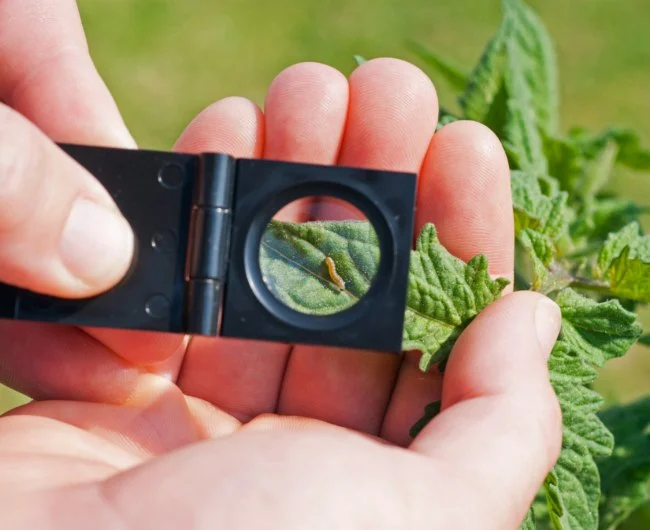
Routine inspections of your property can help you identify early signs of a pest problem. Check for common signs of infestation, such as droppings, holes, nests, or damage to plants and structures. Performing inspections at least once a month, or more frequently during peak pest seasons, will help you stay ahead of any potential issues.
4.2 Tracking Pest Sightings
Keeping a record of pest sightings can help you track local trends over time. Create a log where you note the type of pest, the location, and the date of sighting. Over time, this data can reveal patterns that will inform your pest control strategy and help you predict future activity.
4.3 Collaborating with Pest Control Professionals
If you're dealing with a persistent pest issue, working with professional pest control experts can help. These professionals have the experience and tools to conduct thorough inspections and provide tailored solutions. They can also help you monitor pest trends over time and adjust your strategy as needed.
5. How to Prevent Pest Infestations
Monitoring pest trends is only half the battle. The other half is taking proactive measures to prevent infestations before they start. Here are some essential steps:
5.1 Eliminate Food Sources
Pests are often attracted to easy food sources, such as garbage, crumbs, and pet food. Keeping your home clean and storing food properly will make it less appealing to pests. Regularly cleaning your kitchen and disposing of trash promptly will help deter pests from entering your home.
5.2 Seal Entry Points
Many pests enter homes through small gaps or cracks in windows, doors, or walls. Sealing these entry points is one of the most effective ways to prevent pests from gaining access to your property. Use weatherstripping, sealant, or mesh to cover any gaps that pests could use to get inside.
5.3 Maintain a Dry Environment
Moisture attracts pests like termites, cockroaches, and rodents. Fixing leaks, ensuring proper drainage, and using dehumidifiers in damp areas can help maintain a dry environment that pests will find unappealing.
6. Conclusion
Monitoring pest trends locally is essential for maintaining a pest-free home and environment. By understanding the seasonal and environmental factors that affect pest activity and using the right tools, you can stay ahead of infestations and implement effective pest control strategies. With proactive tracking and prevention, you'll ensure that pests stay away, and your property remains safe and secure.
For more expert pest control tips and tools, visit PestControlHub for the best solutions and recommendations.
 Northwest Exterminating - Marietta4.0 (229 reviews)
 Terminix4.0 (284 reviews)
 Eastline Pest Management4.0 (319 reviews)
 Excel Pest Services4.0 (34 reviews)
 Massey Services Pest Control4.0 (148 reviews)
 Mr. Mosquito5.0 (51 reviews)
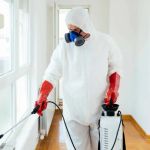 How to Use Low-Toxicity Sprays in Sensitive Areas – Safe Pest Control Solutions
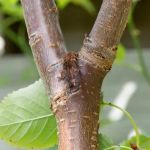 How Tree Limbs and Shrubs Can Invite Pests
 How to Keep Wasps Away From Outdoor Seating
 How to Use Low Toxic Baits in Sensitive Zones
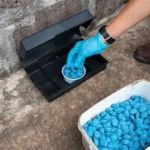 How to Use Tamper-Resistant Bait Stations: A Guide for Effective Pest Control
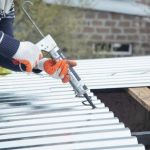 How to Seal Cracks Around Roofline for Better Home Protection