- 1. Understanding Remote Monitoring for Insects
- 2. Types of Remote Monitoring Devices for Insects
- 3. How Remote Monitoring Works for Insect Tracking
- 4. Benefits of Using Remote Monitoring for Pest Control
- 5. Real-Life Examples of Remote Monitoring Success
- 6. How to Choose the Right Remote Monitoring Device
- 7. Explore Monitoring Solutions at PestControlHub
1. Understanding Remote Monitoring for Insects
Remote monitoring for insects is an advanced method of tracking and observing insect populations using technology. This approach allows pest control professionals, researchers, and even homeowners to monitor insect activity in real-time without the need for constant physical checks. The use of sensors, cameras, and other smart technologies can provide valuable data on the presence, movement, and behavior of insects, which is essential for effective pest management.
Using remote monitoring for insects can significantly improve pest control efforts by providing timely and accurate information. It helps in early detection of infestations, reducing the need for chemical interventions, and offering more environmentally friendly solutions. In this article, we’ll explore how remote monitoring devices work, the different types available, and the benefits they offer for pest control.
Home Paramount Pest Control
Rock HillYork CountySouth Carolina
1168 Cherry Rd, Rock Hill, SC 29732, USA
2. Types of Remote Monitoring Devices for Insects
There are several types of remote monitoring devices available to track insects. These devices vary in technology, size, and functionality, but they all share the goal of helping users monitor insect populations effectively. Here are some of the most common types:
- Motion Sensors: These sensors detect the movement of insects in a specific area. They are particularly useful for tracking flying insects such as mosquitoes or moths. Motion sensors can be placed around the perimeter of a property or in specific areas where insect activity is suspected.
- Camera Systems: Remote cameras can be used to monitor insect behavior in real-time. They can be placed in areas where insect populations are prevalent, such as near plants or food sources. Camera systems are useful for observing the type of insects present and their behaviors, which helps in identifying the most effective pest control measures.
- Acoustic Sensors: These devices pick up the sounds made by insects, such as the buzzing of mosquitoes or the rustling of cockroaches. Acoustic sensors are often used in areas where visual monitoring is challenging, providing a unique way to track insect populations.
- Trap Systems: Remote trap systems can be set up to capture and monitor insects. These traps can be connected to a remote monitoring system, allowing users to check the status of the traps without needing to physically inspect them. Traps are commonly used for pests like rodents, flies, and ants.
- Environmental Sensors: These devices measure factors such as temperature, humidity, and light, which can influence insect behavior. By monitoring these environmental factors, users can predict insect activity and adjust pest control measures accordingly.
3. How Remote Monitoring Works for Insect Tracking
Remote monitoring devices for insects rely on sensors and wireless technology to collect and transmit data to a central system. The data is then analyzed to track the presence and movement of insects, providing insights that would otherwise require manual observation. Here's how the process typically works:
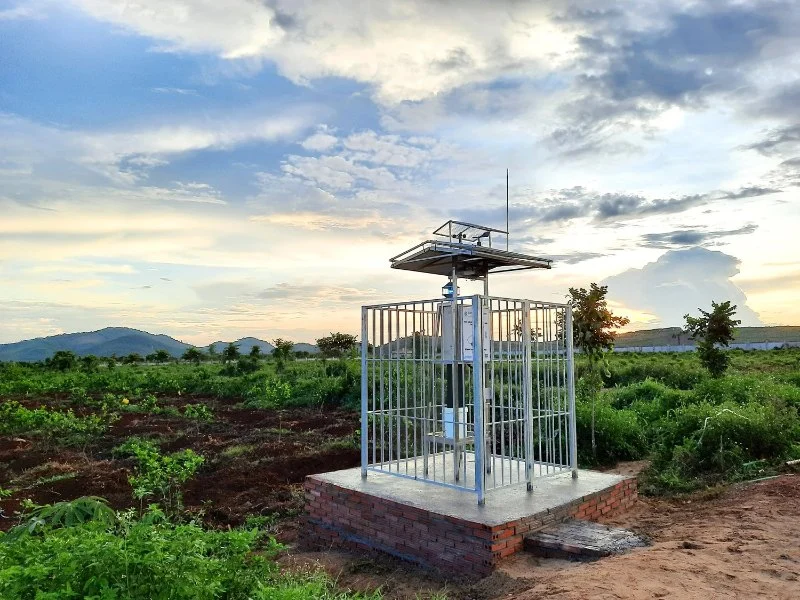
- Data Collection: Remote devices such as motion sensors, cameras, and environmental sensors collect data continuously or at specified intervals. These devices are often powered by batteries or solar energy, making them suitable for outdoor environments.
- Wireless Communication: The collected data is transmitted wirelessly to a central hub or cloud-based platform. This communication allows users to access real-time information from anywhere, making it easier to monitor insect populations remotely.
- Data Analysis: The data collected from sensors and devices is analyzed using algorithms to detect patterns, such as peaks in insect activity. This analysis helps in understanding when and where insects are most active, providing insights that can improve pest control strategies.
- Alerts and Notifications: Some remote monitoring systems are equipped with alert functions that notify users when insect activity exceeds a certain threshold. This helps users take timely action to address potential infestations before they become widespread.
4. Benefits of Using Remote Monitoring for Pest Control
There are numerous benefits to using remote monitoring for pest control. Some of the key advantages include:
- Early Detection: Remote monitoring allows for the early detection of insect infestations, which can prevent larger problems down the line. The quicker you identify insect activity, the easier it is to take corrective measures before it becomes a major issue.
- Reduced Need for Chemicals: By monitoring insect populations and targeting pest control efforts more precisely, remote monitoring can help reduce the use of pesticides and other chemicals, making pest control more environmentally friendly.
- Cost-Effective: Although the initial investment in remote monitoring devices may be higher, the long-term savings are significant. By preventing infestations and reducing the need for emergency pest control, remote monitoring systems can save you money in the long run.
- Convenience: Remote monitoring systems can be accessed from anywhere, allowing users to check insect activity in real-time without having to visit the site. This level of convenience is particularly beneficial for large properties or businesses with multiple locations.
- Data-Driven Decisions: With the data collected from remote devices, pest control decisions can be made based on real-time information, rather than guesswork or traditional methods. This leads to more efficient and targeted pest management strategies.
5. Real-Life Examples of Remote Monitoring Success
Remote monitoring devices have been successfully implemented in various industries to track and manage insect populations. Here are a couple of examples:
- Hotel Industry: A hotel chain implemented remote monitoring systems in their kitchens and dining areas to track cockroach activity. By using wireless cameras and motion sensors, they were able to identify potential problem areas early and take preventive action, ultimately reducing their pest control costs.
- Agriculture: A farming operation in Florida utilized remote monitoring devices to track mosquito populations near their crops. By monitoring mosquito activity, they were able to implement targeted pest control measures that minimized the use of pesticides, resulting in healthier crops and a more sustainable farming operation.
6. How to Choose the Right Remote Monitoring Device
Choosing the right remote monitoring device for insects depends on several factors, including the type of pest, the environment, and your specific needs. Here are some tips to help you choose the best device:
- Type of Pest: Different pests require different types of monitoring devices. For example, motion sensors are ideal for flying insects like mosquitoes, while traps and cameras are better suited for crawling pests like ants and cockroaches.
- Environment: Consider the environment where the device will be placed. Outdoor devices may require waterproofing, while indoor devices may need to blend into a more discreet setting.
- Data Access: Make sure the device you choose offers easy access to the data, either through a mobile app, web portal, or email notifications. The more user-friendly the interface, the easier it will be to track and respond to insect activity.
- Battery Life and Power Source: Look for devices with long battery life or those that can be powered by solar energy, especially if you're monitoring insects over an extended period of time.
7. Explore Monitoring Solutions at PestControlHub
If you're ready to take control of your pest management with remote monitoring technology, visit PestControlHub for a range of monitoring solutions. We offer high-quality sensors, cameras, traps, and other devices designed to help you keep track of insect populations and manage pests more efficiently.
Visit PestControlHub today to explore our remote monitoring devices and start optimizing your pest control strategy with cutting-edge technology!
 Northwest Exterminating - Marietta4.0 (229 reviews)
 Terminix4.0 (284 reviews)
 Eastline Pest Management4.0 (319 reviews)
 Excel Pest Services4.0 (34 reviews)
 Massey Services Pest Control4.0 (148 reviews)
 Mr. Mosquito5.0 (51 reviews)
 How to Use Low-Toxicity Sprays in Sensitive Areas – Safe Pest Control Solutions
 How Tree Limbs and Shrubs Can Invite Pests
 How to Keep Wasps Away From Outdoor Seating
 How to Use Low Toxic Baits in Sensitive Zones
 How to Use Tamper-Resistant Bait Stations: A Guide for Effective Pest Control
 How to Seal Cracks Around Roofline for Better Home Protection