
- 1. Understanding the Role of Humidity in Attracting Insects
- 2. Common Insects Attracted by High Humidity
- 3. How to Effectively Reduce Indoor Humidity
- 4. The Role of Dehumidifiers in Pest Prevention
- 5. Natural Methods to Control Indoor Humidity
- 6. Additional Preventive Measures to Keep Insects Away
- 7. Final Thoughts on Humidity and Pest Control
1. Understanding the Role of Humidity in Attracting Insects
High humidity levels in your home create an ideal environment for many types of insects. Moisture in the air provides insects with the water they need to survive and can lead to infestations if not controlled. Understanding the link between indoor humidity and insect activity is essential for preventing pests in your home.
Pro Pest Control Elizabeth Experts
Elizabeth CityPasquotank CountyNorth Carolina
2066 Rivershore Rd, Elizabeth City, NC 27909, USA
1.1 Why Humidity Matters to Insects
Insects, such as cockroaches, termites, and mosquitoes, thrive in humid environments. Excess moisture allows them to breed more easily, find food, and shelter. By reducing humidity, you can significantly lower the likelihood of attracting these pests to your home.

Insight Pest Solutions
1000 Business Center Dr Suite 80, Savannah, GA 31405, USA
1.2 Ideal Humidity Range for Your Home
Maintaining a humidity level between 30% and 50% is optimal for comfort and pest control. Levels higher than 50% create a more favorable environment for pests, while too low of humidity can cause discomfort and dryness.
2. Common Insects Attracted by High Humidity
Several types of insects are particularly drawn to areas with high humidity. Understanding which pests thrive in moist environments can help you focus your efforts on preventing these specific insects.
2.1 Cockroaches
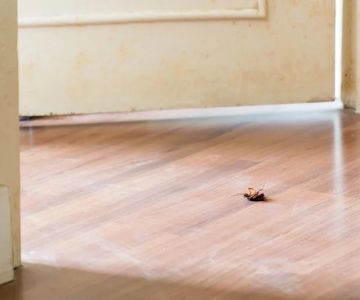
Cockroaches are notorious for seeking out moisture. They tend to hide in damp, dark places such as kitchens and bathrooms, where they can find water. Reducing humidity can help discourage cockroach infestations.
2.2 Termites
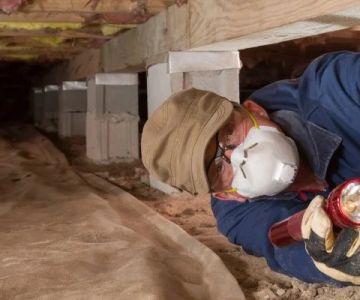
Termites are attracted to wood, but they need moisture to survive. High humidity in your home can increase the risk of a termite infestation, particularly in areas with wood structures like basements and crawl spaces.
2.3 Mosquitoes
While mosquitoes are often associated with outdoor environments, they can also breed indoors if there is standing water or high humidity. They are attracted to humid areas where they can find stagnant water for their eggs.
3. How to Effectively Reduce Indoor Humidity
To prevent insects from thriving in your home, it’s crucial to reduce indoor humidity. Here are some effective strategies to achieve this:
3.1 Use a Dehumidifier
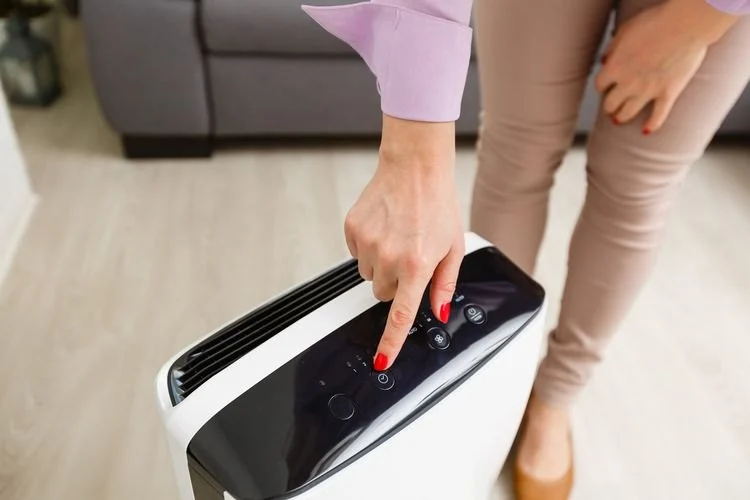
One of the most efficient ways to lower indoor humidity is by using a dehumidifier. Dehumidifiers help remove excess moisture from the air, making your home less inviting to insects and mold.
3.2 Improve Ventilation
Proper ventilation is essential in reducing humidity. Open windows when possible to let fresh air circulate, and use exhaust fans in high-moisture areas like kitchens and bathrooms to expel humid air.
3.3 Repair Leaks
Check for leaks in your home, such as in pipes, roofs, and windows. Even small leaks can increase indoor humidity by allowing moisture to seep in, creating a perfect breeding ground for pests.
4. The Role of Dehumidifiers in Pest Prevention
Dehumidifiers are one of the most effective tools for controlling indoor humidity levels. By consistently maintaining the right humidity range, dehumidifiers prevent pests from flourishing in your home. Here’s how they work:
4.1 How Dehumidifiers Work
Dehumidifiers extract moisture from the air by drawing it over a cooling coil. The moisture condenses into water and is collected in a tank, leaving the air drier. This helps reduce humidity and keep pests at bay.
4.2 Choosing the Right Dehumidifier
When selecting a dehumidifier, consider the size of the area you need to dehumidify. Larger spaces may require more powerful units, while smaller rooms can be managed with compact models. Choose a dehumidifier with a humidity control function for more precise management.
5. Natural Methods to Control Indoor Humidity
For those who prefer natural solutions, there are several ways to control humidity without using electronic devices. Here are a few methods:
5.1 Houseplants
Some houseplants, like peace lilies and English ivy, can help absorb excess moisture from the air. However, be cautious not to overwater plants, as this can create more humidity.
5.2 Baking Soda
Placing bowls of baking soda around the house can help absorb moisture. This is particularly useful in areas like closets and basements, where humidity can linger.
6. Additional Preventive Measures to Keep Insects Away
In addition to controlling humidity, there are other measures you can take to prevent insects from entering your home:
6.1 Seal Cracks and Gaps
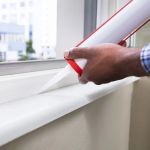
Inspect your home for cracks and gaps, especially around windows, doors, and baseboards. Sealing these openings helps keep pests from finding their way inside.
6.2 Clean Regularly
Regular cleaning removes food particles and moisture that can attract pests. Focus on areas that tend to collect moisture, such as under sinks and around bathtubs.
7. Final Thoughts on Humidity and Pest Control
Reducing indoor humidity is one of the most effective ways to prevent insects from invading your home. By using dehumidifiers, improving ventilation, and taking proactive steps to control moisture, you can create an environment that is less attractive to pests. For more tips on pest prevention and products that can help keep your home pest-free, visit PestControlHub for the best pest control solutions available.
 Ehrlich Pest Control4.0 (240 reviews)
 Capitol Mosquito Of Calvert County5.0 (1 reviews)
 Critter Catchers4.0 (39 reviews)
 Going Green Lawn Care & Tractor Services0.0 (0 reviews)
 Orkin4.0 (1692 reviews)
 Animal Remover Dayton5.0 (5 reviews)
 How to Monitor Pest Pressure in Foundation Footprint: A Complete Guide
 How to Control Pest Populations After a Natural Disaster: Effective Strategies
 How to Evaluate Professional Pest Control Certifications
 How to Seal Gaps at Door Bottoms to Block Insects
 How to Use Tamper-Resistant Bait Stations: A Guide for Effective Pest Control
 How to Choose Pest Control Frequency