
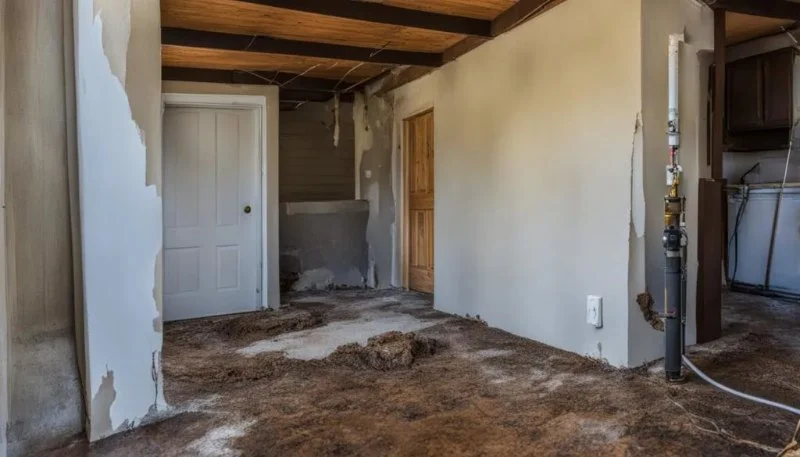
- 1. Understanding Structural Damage Caused by Pests
- 2. Identifying Common Pests That Cause Structural Damage
- 3. Assessing the Extent of Damage
- 4. Steps to Repair Pest Damage to Your Home
- 5. Preventing Future Pest Infestations
- 6. Real-Life Examples of Pest Damage Repair
- 7. When to Seek Professional Help for Pest Damage Repairs
1. Understanding Structural Damage Caused by Pests
Pests, particularly termites, rodents, and carpenter ants, can cause significant damage to the structural integrity of your home. The damage might not always be visible at first, but over time, these pests can weaken beams, foundations, walls, and even the roof, putting your home at risk. Repairing this type of damage requires prompt action to prevent further deterioration and ensure your home remains safe and secure.
In this guide, we will discuss how to identify pest-related structural damage, how to assess the severity, and the steps you can take to repair the damage caused by these unwanted invaders. Whether you're dealing with termite damage in the walls or rodent damage to wooden beams, we’ll explore practical solutions for addressing the issue and restoring the integrity of your home.
Buzz Termite and Pest Control, LLC
DenverLincoln CountyNorth Carolina
2840 Lake Shore Rd S, Denver, NC 28037, USA
2. Identifying Common Pests That Cause Structural Damage
There are several types of pests that can cause significant structural damage to your home. Knowing which pests to look out for is the first step in identifying potential damage. Here are the most common culprits:
A Plus Wallace's Termite-Pest
986 County Line Rd, Columbia, KY 42728, USA
1. Termites
Termites are perhaps the most notorious pests when it comes to structural damage. These wood-eating insects can silently destroy wooden beams, flooring, and walls, compromising the integrity of your home. They are particularly active in warm, humid environments and often go undetected for long periods.
2. Carpenter Ants
Carpenter ants are another wood-damaging pest. Unlike termites, carpenter ants don’t eat wood, but they excavate it to create nests. Over time, their tunneling can cause significant damage to wooden structures, especially if the infestation goes unnoticed.
3. Rodents (Rats and Mice)
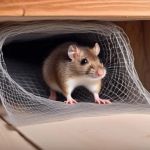
Rodents such as rats and mice can cause damage to structural components by gnawing on wooden beams, insulation, and electrical wiring. Their constant chewing can weaken the structural integrity of your home and pose additional risks such as fire hazards due to damaged wiring.
4. Powderpost Beetles
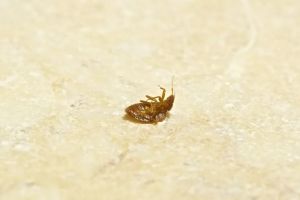
Powderpost beetles can infest wood in homes, particularly older wooden structures. These beetles bore into wood, leaving fine powder as evidence of their presence. Over time, their activity can result in weakened wood, which may need to be replaced.
3. Assessing the Extent of Damage
Before attempting repairs, it’s essential to assess the extent of the damage caused by pests. This will help you determine whether a DIY approach is sufficient or if you need to hire a professional. Here’s how to assess the damage:
1. Inspect Visible Areas
Start by inspecting areas that are most susceptible to pest damage, such as wooden beams, floor joists, and foundation walls. Look for signs of damage like holes, visible tunnels, or soft, crumbling wood. With termites, you may notice small wings or discarded wings around windows and doors.
2. Check for Water Damage
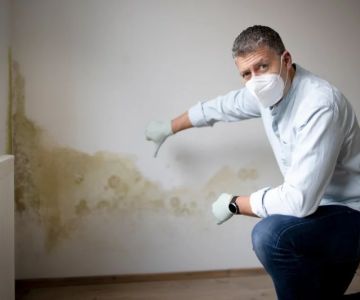
Pests like termites are often attracted to moisture-rich environments. Check for water damage or areas of high humidity, such as near leaking pipes or in basements. Damp conditions can exacerbate pest damage and provide a more conducive environment for future infestations.
3. Use a Screwdriver or Knife
To test the severity of the damage, gently probe areas of suspected infestation using a screwdriver or utility knife. Soft or easily penetrated wood may indicate advanced damage from pests like termites or carpenter ants.
4. Steps to Repair Pest Damage to Your Home
Once you’ve assessed the damage, the next step is repairing it. Here’s a step-by-step guide to fixing structural damage caused by pests:
1. Eliminate the Pests
The first step in any repair process is to eliminate the pests causing the damage. For termites, you may need to call in a professional pest control service for effective eradication. Carpenter ants can often be dealt with by using traps or sprays. If rodents are the issue, set up traps or use a rodent-repelling solution.
2. Replace Damaged Wood
Once the pests have been eliminated, remove and replace any severely damaged wood. This may include beams, studs, or flooring that has been compromised. Use high-quality replacement wood and ensure it’s treated to prevent future infestations.
3. Repair Small Damages
For minor damage, you can often repair the wood by filling the holes with wood filler or epoxy resin. Sand down the filled areas and repaint or stain the wood to restore its appearance.
4. Seal Entry Points
After repairing the damage, it’s crucial to seal any entry points pests may use to access your home. This could involve caulking cracks and gaps in your walls, installing door sweeps, or repairing damaged window screens to keep pests out.
5. Preventing Future Pest Infestations
Once repairs are complete, take steps to prevent future infestations and protect your home from further damage:
1. Regular Inspections
Schedule regular inspections to detect early signs of pest activity. Catching infestations early can help prevent costly damage in the future.
2. Moisture Control
Fix any moisture issues in your home by repairing leaks and using dehumidifiers in areas prone to dampness. Termites and carpenter ants are especially attracted to moisture-rich environments, so controlling humidity can reduce the risk of infestations.
3. Proper Landscaping
Keep your yard well-maintained by trimming back trees and shrubs away from the exterior of your home. This will reduce the likelihood of pests using them as bridges to access your home. Consider using pest-repelling plants or barriers around your foundation to discourage pest activity.
6. Real-Life Examples of Pest Damage Repair
Here are some real-life examples of homeowners who successfully repaired pest damage to their homes:
1. Termite Damage in a California Home
A family in California noticed soft spots in their wooden floorboards and discovered that termites had been silently eating away at their home’s foundation. After calling a professional pest control service to eliminate the termites, they replaced the damaged beams and installed a new moisture barrier to prevent future infestations.
2. Rodent Damage in a New York Apartment
In a New York apartment, a tenant noticed holes in the drywall and chewed-up wires behind the walls. The damage was traced to a rodent infestation. The repair process included removing the damaged drywall, sealing entry points, and replacing the wiring. A pest control service was called to ensure the rodents were gone for good.
7. When to Seek Professional Help for Pest Damage Repairs
While DIY repairs can be effective for minor pest damage, it’s often best to call a professional when the damage is extensive. Professionals can provide a more thorough inspection, handle hazardous materials safely, and offer long-term pest control solutions. If you’re unsure about the severity of the damage or how to proceed with repairs, consider reaching out to a specialist from PestControlHub for expert guidance.

 Boggs Pest Control Inc.4.0 (42 reviews)
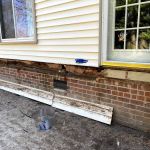 Hawk Mosquito & Pest5.0 (351 reviews)
 Mosquito Squad of North Shore4.0 (1143 reviews)
 Dr. Killem Termite and Pest Control4.0 (31 reviews)
 Complete Pest Solutions4.0 (379 reviews)
 Bug Out4.0 (231 reviews)
 How to Deal With Pest Infestations Near Water Features
 How to Stage a Pest Control Plan for New Homeowners
 What Home Buyers Should Know About Pests Before Closing
 How to Prevent Pest Infestations in Storage Units | Expert Tips
 How to Use Monitors to Detect Pest Entry: A Comprehensive Guide
 How Crowded Attics Attract Rodents and How to Prevent Infestations