
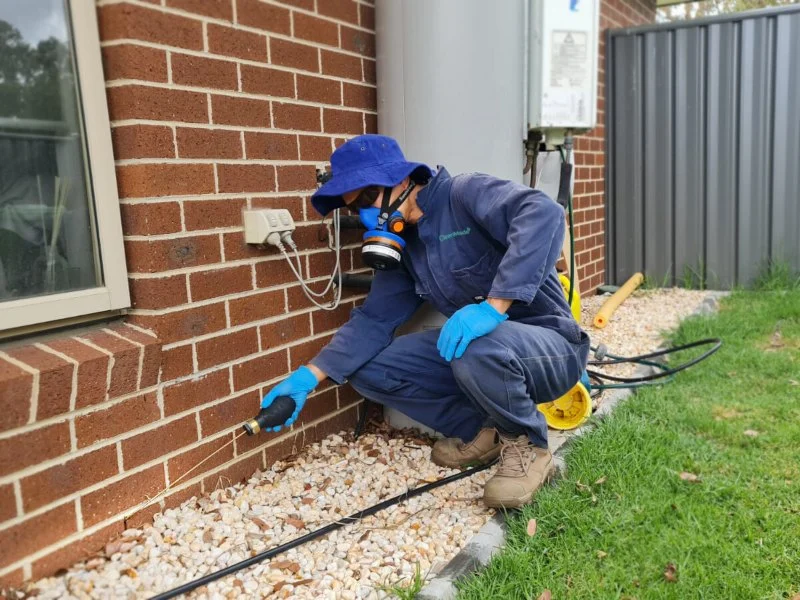
- 1 - Understanding Pest Spread from Yard to House
- 2 - Common Pests That Spread from Yard to House
- 3 - Preventive Measures for Pest Control
- 4 - Tips for Maintaining a Pest-Free Yard
- 5 - When to Call Professional Pest Control
1. Understanding Pest Spread from Yard to House
It’s a common problem for homeowners: pests from your yard making their way into your house. From ants and spiders to rodents and mosquitoes, pests are always on the lookout for food, shelter, and water, and your home often provides a perfect haven. Understanding how pests spread from your yard to your house is the first step in preventing an infestation. By identifying the pathways they take and the environmental factors that attract them, you can implement effective measures to stop them from entering your home.

Rocket Pest Control
SpartanburgSpartanburg CountySouth Carolina
1 Real Est Wy, Spartanburg, SC 29302, USA
2. Common Pests That Spread from Yard to House
Several types of pests are notorious for moving from the yard into homes. Here are a few of the most common culprits:

Truly Nolen Pest and Termite Control Grove City
1668 Pinnacle Club Dr, Grove City, OH 43123, USA
2.1. Ants
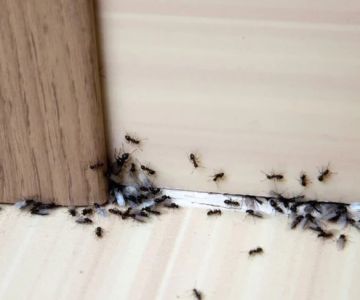
Ants are one of the most persistent pests. They’re attracted to food crumbs and sugary substances. Once they find a food source in your yard, they can easily find their way into your home through cracks or open windows. Carpenter ants can also nest in wood, which may lead to structural damage if left unchecked.
2.2. Rodents
Rats and mice are highly resourceful pests that can squeeze through tiny gaps around doors, windows, and foundation cracks. Once in your yard, they search for food and warmth, often making their way into attics, basements, or kitchens.
2.3. Mosquitoes
Mosquitoes breed in standing water, so areas in your yard like birdbaths, clogged gutters, or even garden containers can become breeding grounds. Once mosquitoes have settled in your yard, they can easily find their way into your home, especially during warmer months.
2.4. Spiders
Spiders often move from the yard to your house in search of food and shelter. They can enter your home through cracks around windows and doors or even hitch a ride on outdoor furniture. While most spiders are harmless, certain species like the black widow or brown recluse can pose a threat to health.
3. Preventive Measures for Pest Control
To prevent pests from spreading from your yard to your house, you need to take proactive steps. Here are some key measures to consider:
3.1. Seal Entry Points
Inspect your home’s exterior for any gaps or cracks that could serve as entry points for pests. Pay attention to areas around windows, doors, vents, and the foundation. Sealing these gaps with weatherstripping or caulking will help block pests from entering your home.
3.2. Maintain Cleanliness Inside and Outside
Keeping both the inside of your home and your yard clean is one of the most effective ways to deter pests. In the yard, regularly remove trash and organic debris, as these attract pests. Inside, store food in airtight containers and promptly clean up crumbs and spills to avoid drawing ants and rodents.
3.3. Install Screens and Barriers
Installing fine mesh screens on windows and doors can keep flying insects like mosquitoes and flies out of your home. In addition, placing physical barriers such as pest netting around garden beds can prevent pests like rodents and insects from getting too close to your home.
3.4. Use Natural Repellents
There are several natural repellents that can help keep pests at bay. For example, planting mosquito-repellent plants like citronella, lavender, and marigolds in your garden can reduce mosquito presence. Similarly, using essential oils like peppermint or eucalyptus in spray form can deter ants and spiders.
4. Tips for Maintaining a Pest-Free Yard
Your yard is the first line of defense against pest invasions. By keeping it well-maintained, you can prevent pests from finding a home near your house. Here are some practical tips:
4.1. Eliminate Standing Water
Standing water is a prime breeding ground for mosquitoes. Ensure that gutters are clean and direct water away from your house. Empty any containers that hold water, such as plant saucers, birdbaths, or toys left outdoors, to avoid attracting mosquitoes and other insects.
4.2. Trim Shrubs and Trees
Overgrown shrubs and trees can provide shelter for rodents, insects, and spiders. Regularly trim bushes and tree branches, especially those near windows and doors, to limit access for pests. This also helps improve the overall appearance of your yard.
4.3. Mulch with Care
Mulching around plants can be beneficial for your garden, but too much mulch can attract pests like termites. Be cautious about the depth of mulch around your home’s foundation, and avoid piling it against the base of the house to prevent easy access for pests.
5. When to Call Professional Pest Control
While you can take many steps to prevent pests from entering your home, sometimes professional help is needed. If you notice signs of a larger infestation, such as a sudden increase in pests inside the home or significant damage to your property, it’s time to call a pest control expert. A professional can assess the situation, identify the source of the infestation, and implement effective measures to prevent pests from returning.
For all your pest control needs, visit PestControlHub. We offer a range of products and services to help you manage and eliminate pests effectively, ensuring your home stays safe and pest-free.
 Braman Termite & Pest Elimination4.0 (37 reviews)
 Hilton Head Exterminators4.0 (627 reviews)
 Terminix4.0 (45 reviews)
 Cleary Exterminating Co. Inc4.0 (39 reviews)
 Ehrlich Pest Control4.0 (471 reviews)
 Bay Area Wildlife Solutions4.0 (31 reviews)
 How to Prepare Your Home Before an Exterminator Visit
 How to Evaluate Pest Control Technologies – Expert Guide for U.S. Consumers
 How to Use Tamper-Resistant Bait Stations: A Guide for Effective Pest Control
 How to Evaluate Professional Pest Control Certifications
 How to Choose Between Different Pest Control Methods: A Complete Guide
 How to Use Diatomaceous Earth for Safe Pest Control - Natural and Effective Solutions