Seasonal Pest Prevention Checklist for Spring
- 1- Understanding Spring Pests
- 2- Cleaning and Sealing Your Home
- 3- Yard Care for Pest Prevention
- 4- Natural Solutions and Repellents
- 5- Monitoring and Maintenance
- 6- When to Call Professional Pest Control
- 7- Final Thoughts on Spring Pest Prevention
1. Understanding Spring Pests
As the weather warms up in spring, it’s the perfect time for pests to start making their way into your home and garden. Spring pests are not just a nuisance—they can damage your property and pose health risks. Common pests such as ants, mosquitoes, termites, and spiders become more active as temperatures rise, and they begin seeking food, water, and shelter. Understanding these pests and their habits is the first step in preventing them from invading your home.
By being proactive in the spring, you can minimize the risk of an infestation later in the year. Prevention is key, and there are many simple steps you can take to keep pests out of your home and garden.
2. Cleaning and Sealing Your Home
One of the most effective ways to prevent spring pests is by keeping your home clean and properly sealed. Pests, especially ants and cockroaches, often enter homes in search of food or water. Here’s how to eliminate potential entry points:
2.1. Clean Up Leftover Food
Ensure that all food crumbs, spills, and pet food are cleaned up regularly. Wipe down counters, sweep the floors, and keep food in tightly sealed containers. Regularly empty trash cans and keep garbage bins sealed tightly.
2.2. Seal Entry Points
Check your windows, doors, and foundation for cracks or gaps that could serve as entry points for pests. Use caulk to seal small cracks and consider weather stripping around doors and windows. Check for gaps around plumbing pipes or vents and seal them as well to prevent pests from sneaking in.
2.3. Inspect Attics and Basements
Pests like rodents often find their way into attics, basements, and crawl spaces. Ensure these areas are well-ventilated and inspect for any signs of nesting or pest activity. Installing screens over vents and ensuring vents are clear of debris can prevent pests from entering.
3. Yard Care for Pest Prevention
It’s not just inside your home that pests can make a home—it’s also in your yard. Proper landscaping can keep pests away from your home and garden. Here are a few tips for spring yard care:
3.1. Keep Your Lawn Trimmed
Overgrown grass, bushes, and trees provide shelter and food for pests. Trim your lawn regularly to prevent tall grass and weed growth, which can attract pests like ticks, fleas, and mosquitoes. Make sure tree branches do not touch your house, as this can create a bridge for pests to enter.
3.2. Remove Standing Water
Water is a vital resource for many pests, especially mosquitoes. Check your yard for standing water in bird baths, gutters, or any containers. Empty and clean these areas regularly to prevent mosquitoes from breeding.
3.3. Use Mulch Wisely
While mulch can be great for plants, it can also be a hiding spot for pests like termites, ants, and beetles. If using mulch, be sure not to pile it too high around your plants and ensure it is kept a few inches away from your home’s foundation to minimize pest attraction.
4. Natural Solutions and Repellents
If you prefer natural methods, there are plenty of solutions that can help keep pests at bay without the use of chemicals. Here are a few effective options:
4.1. Essential Oils for Pest Repellence
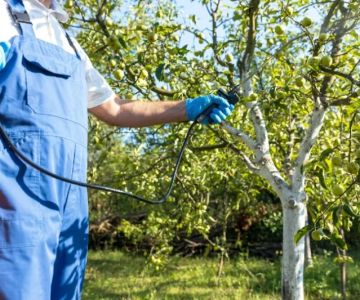
Essential oils like peppermint, lavender, citronella, and eucalyptus are natural pest repellents. You can create your own sprays by diluting these oils in water and spraying around entry points and common areas where pests might gather. Additionally, planting pest-repellent plants like marigolds, basil, or rosemary in your garden can help keep pests away.
4.2. Diatomaceous Earth
Diatomaceous earth is a natural powder that is harmless to humans and pets but deadly to pests like ants, fleas, and bedbugs. You can sprinkle diatomaceous earth around your home’s perimeter, in cracks, and in your garden to help reduce pest populations.
4.3. Insect Traps
Insect traps can be used to capture pests such as flies, mosquitoes, and cockroaches. These traps can be placed near windows, doors, and other entry points to attract and eliminate pests before they make it into your home.
5. Monitoring and Maintenance
Preventing pests in the spring doesn’t end with cleaning and setting up repellents. Ongoing monitoring and maintenance are necessary to ensure that pests don’t return:
5.1. Regular Inspections
Perform regular checks on your property throughout the spring. Look for signs of pest activity such as droppings, damage to plants, or visible nests. Catching infestations early will make it easier to manage them.
5.2. Reseal and Repair
Keep an eye on the seals around doors, windows, and vents. If any areas start to weaken or show signs of damage, reseal them to prevent pests from gaining access. Maintaining the integrity of your home’s structure is key to long-term pest prevention.
6. When to Call Professional Pest Control
While many pest prevention methods can be handled on your own, sometimes an infestation is too large to manage without professional help. If you notice signs of termites, rodents, or a significant pest infestation that is not responding to your DIY efforts, it’s time to call a pest control expert.
Professional pest control services can assess your property, identify potential pest issues, and provide effective treatment options. They also offer long-term solutions and regular monitoring to keep your home pest-free.
7. Final Thoughts on Spring Pest Prevention
Spring pest prevention is essential to maintaining a healthy, safe, and comfortable home. By staying proactive with cleaning, sealing, and using natural repellents, you can prevent common pests from making their way inside. Proper yard care and regular maintenance will also keep your outdoor areas pest-free. If you do encounter a larger infestation, don't hesitate to contact a professional pest control service.
For more tips on pest prevention and to find the best pest control products, visit PestControlHub. We offer expert advice and top-quality products to help you protect your home from pests this spring and beyond.

 Aptive Pest Control4.0 (123 reviews)
 Monarch Pest Control Corporation5.0 (28 reviews)
 Harris Pest Control, Inc.5.0 (1461 reviews)
 Action Exterminating Company4.0 (42 reviews)
 Ecotect Pest Elimination Inc5.0 (2 reviews)
 Assurance Pest Solutions4.0 (768 reviews)
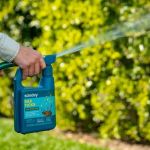 How to Use Low-Toxic Sprays Safely
 How to Control Pests During Remodeling Projects
 What to Do Immediately After Spotting a Pest in Your Home: Essential First Steps
 The Best Eco-Friendly Pest Control Products You Can Buy
 How to Use Low-Toxic Sprays Safely: A Complete Guide
 How to Create a Pest-Resistant Garden