
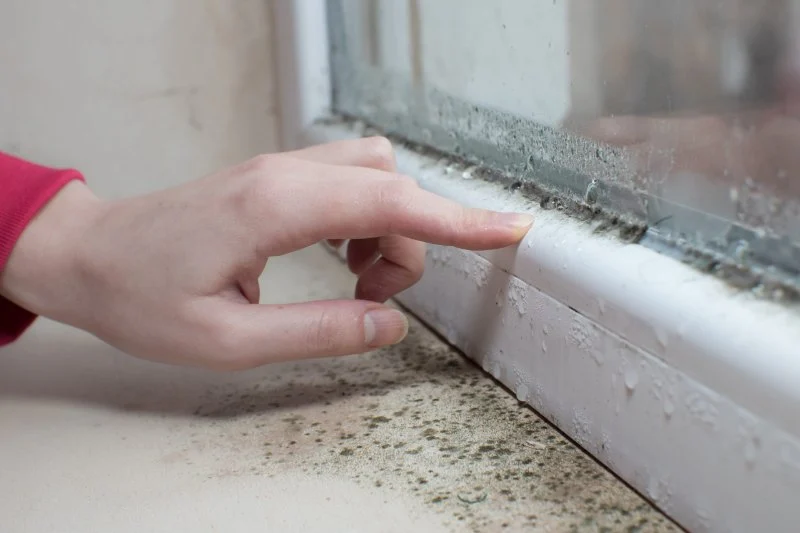
Why Sealing Entry Points Matters Before Winter
As the temperature drops and winter sets in, sealing entry points around your home becomes essential. Gaps and cracks around doors, windows, and other openings allow cold air to seep inside, making your home uncomfortable and driving up energy bills. Sealing these entry points not only helps to keep your home warmer but also improves energy efficiency, reduces heating costs, and prevents water damage caused by leaks. In this article, we will explore practical ways to seal entry points before winter, so you can enjoy a cozy and energy-efficient home during the colder months.

Common Entry Points to Seal
Before you begin sealing, it’s important to identify the most common entry points where drafts and cold air can enter your home. Here are the key areas to inspect and seal:
- 1-Windows: Gaps around windows are a major source of heat loss. Whether it’s due to aging seals or poor installation, windows should be checked for cracks or gaps.
- 2-Doors: Exterior doors, especially those with old weatherstripping, can allow drafts to enter your home. Pay attention to both the doorframe and the threshold.
- 3-Cracks and Gaps in the Walls: Over time, the walls of your home may develop small cracks or gaps where air can infiltrate. These should be sealed promptly to avoid air leaks.
- 4-Vents and Ducts: Openings around ventilation systems and ducts can also allow cold air inside. Ensure these are properly sealed or insulated.
- 5-Exterior Plumbing and Electrical Outlets: Outdoor pipes, electrical outlets, and utility lines are another area where cold air can sneak through. Properly sealing these areas is essential for maintaining indoor warmth.
Steps to Seal Entry Points Before Winter
Sealing entry points before winter doesn’t have to be complicated or expensive. Follow these simple steps to ensure your home is prepared for the cold weather:

1. Inspect Windows and Doors
Start by thoroughly inspecting the frames of your windows and doors for visible gaps or cracks. You can test for drafts by holding a candle or incense stick near the edges—if the flame flickers, you’ve found a draft. If necessary, replace old weatherstripping or use caulk to fill any cracks. For windows, consider using window insulation film, which is a quick and cost-effective solution to prevent heat loss.
2. Seal Cracks in Walls and Foundation
Walk around your home and check for any small cracks or gaps in the walls or foundation. Use exterior-grade caulk to seal any cracks you find. For larger gaps, you may need to use expanding foam insulation or a foam backer rod before applying the caulk. Don’t forget to check around doors and windows for additional gaps in the wall framing.
3. Install Door Sweeps
Door sweeps are a simple yet highly effective way to seal gaps at the bottom of exterior doors. These can be easily installed on the bottom edge of doors, preventing drafts from entering through the threshold. Choose a door sweep that fits tightly against the floor to maximize its effectiveness in keeping the cold out.
4. Seal Around Vents and Ducts
Check around your vents and ducts for gaps where cold air might be entering. Use duct sealant or foil tape to seal around duct joints and ventilation openings. Consider installing vent covers on unused vents during the winter months to further reduce drafts and improve energy efficiency.
5. Insulate Exterior Pipes and Electrical Outlets
Exposed pipes, electrical outlets, and utility lines on the exterior of your home can provide easy access for cold air. Apply foam insulation or pipe sleeves to protect outdoor plumbing. For electrical outlets, consider using outlet sealers that fit behind the faceplate to block drafts from entering through gaps.
Real-Life Example: Winterizing the Thompson Home
The Thompson family had always struggled with high heating bills during the winter months. After an energy audit, they realized that gaps around their windows, doors, and foundation were allowing cold air to enter their home. They decided to take action by sealing their windows with insulation film, replacing worn-out weatherstripping on their doors, and filling cracks around the foundation with caulk. They also installed door sweeps and sealed around their ventilation ducts. As a result, the Thompsons noticed a significant reduction in their heating costs and a warmer, more comfortable home during the winter months.
Why Choose PestControlHub for Winterizing Your Home?
At PestControlHub, we offer a range of products and services that can help you prepare your home for winter. From weatherstripping and sealants to insulation and energy-efficient solutions, we provide everything you need to ensure your home stays warm and energy-efficient throughout the cold months. Visit PestControlHub today to explore our products and services designed to help you seal entry points and protect your home from the winter chill.

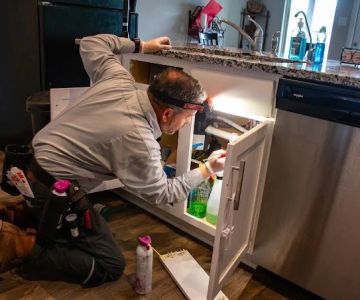

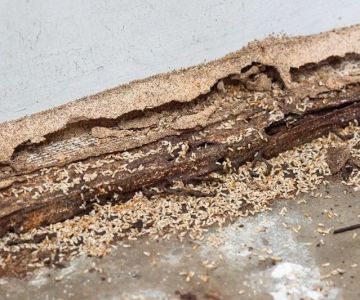
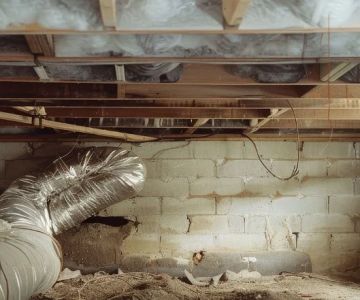

 My Pest Pros5.0 (436 reviews)
 Slater Pest Management5.0 (11 reviews)
 Huntsman Wildlife, LLC4.0 (148 reviews)
 Mosquito Mike4.0 (105 reviews)
 Pest Wardens5.0 (245 reviews)
 Broadway Pest Services4.0 (350 reviews)
 How to Spot Pest Damage in Attic Insulation
 How to Effectively Use Exclusion Methods for Pests
 How Pest Control Practices Vary State to State in the U.S.
 How to Keep Termites from Entering Through the Foundation – Proven Protection Methods
 How to Control Pests During Remodeling Projects: Essential Tips for Homeowners
 How to Repair Structural Damage Caused by Pests