
- 1. Understanding Pest Infestations in Condos
- 2. Common Types of Pests in Condominiums
- 3. Steps to Prevent Pest Infestations in Your Condo
- 4. How to Handle an Active Pest Infestation
- 5. Conclusion: Maintaining a Pest-Free Condo
1. Understanding Pest Infestations in Condos
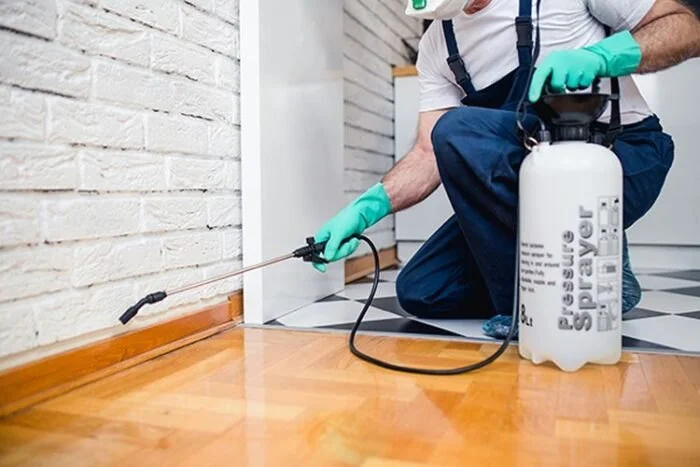
Pest infestations in condos can be a particularly tricky issue to deal with due to the shared nature of the living environment. Unlike houses, condos often have common walls, shared hallways, and building systems, which means that pests can easily spread from one unit to another. Whether you're dealing with rodents, insects, or other pests, understanding the causes and risks of infestations in condos is essential to managing the problem effectively.
2. Common Types of Pests in Condominiums
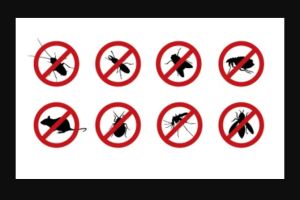
Pests in condos can range from small insects to larger rodents. Identifying the type of pest is the first step in deciding the best course of action. Here are some of the most common pests found in condominiums:

2.1 Rodents
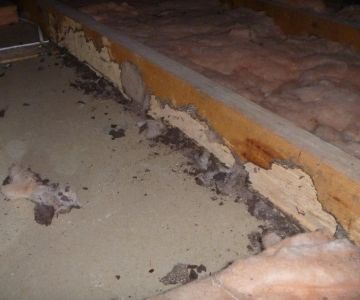
Rats and mice are common pests in condos, often seeking shelter and food in kitchens, storage areas, and hidden spaces. Rodents can cause significant damage by chewing on wires, insulation, and food packaging, and they can also carry diseases.
2.2 Cockroaches
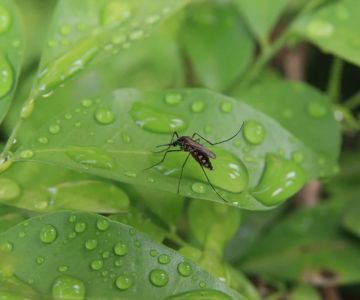
Cockroaches are notorious for their resilience and can be found in various parts of the condo, especially in kitchens and bathrooms. They are carriers of allergens and bacteria, which can lead to health problems for residents.
2.3 Bed Bugs
Bed bugs are a growing concern in urban areas, including condos. They are often brought in through luggage, secondhand furniture, or neighboring units. Bed bugs are difficult to eradicate without professional help and can cause discomfort and stress to those affected.
2.4 Ants
Ants are another common nuisance, often entering condos in search of food. While they may seem harmless, ants can infest your kitchen or pantry and become a persistent problem if not addressed quickly.
2.5 Termites
While less common, termites can still affect condos, especially those made with wood-based materials. Termites can cause extensive damage to the structure of the building, making early detection critical.
3. Steps to Prevent Pest Infestations in Your Condo
Preventing pests from entering your condo is the best way to avoid infestations. Here are several steps you can take to make your unit less inviting to pests:
3.1 Seal Entry Points
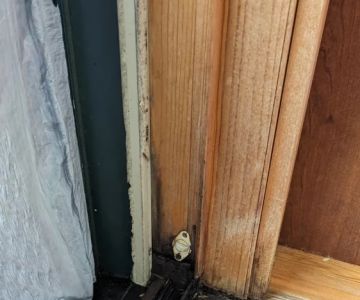
Inspect your condo for any cracks, gaps, or holes around windows, doors, pipes, and vents. Sealing these entry points will prevent pests from entering your home. Use caulk or weatherstripping to close any gaps in walls, around windows, or around pipes.
3.2 Keep Your Condo Clean
A clean condo is less attractive to pests. Regularly vacuum floors, wipe down surfaces, and eliminate food crumbs. Clean out your pantry and trash cans frequently, and make sure food is stored in sealed containers. Keeping clutter to a minimum also reduces hiding spots for pests.
3.3 Manage Waste Properly
Proper waste management is crucial in preventing pests. Ensure that all trash is disposed of in sealed bins, and avoid leaving garbage or recycling bins in common areas for extended periods. Regularly clean your trash cans to eliminate odors that may attract pests.
3.4 Use Natural Repellents
Consider using natural pest repellents, such as essential oils like peppermint, eucalyptus, or citronella, which can deter insects and rodents. These can be used in spray form or placed around entry points as a preventative measure.
3.5 Work with Your Neighbors
Since pests can travel through shared walls or areas, it’s essential to work with your neighbors and building management to address any issues. If pests are noticed in other units, take proactive measures to prevent them from spreading to your own space.
4. How to Handle an Active Pest Infestation
If you already have a pest problem, it’s important to act quickly to avoid a larger infestation. Here are some steps to take if you find pests in your condo:
4.1 Identify the Type of Pest
Accurately identifying the pest is essential to choosing the right treatment. You may need to research the type of pest or contact a pest control professional to identify the problem. Once you know what you're dealing with, you can take more targeted action.
4.2 Contact Professional Pest Control
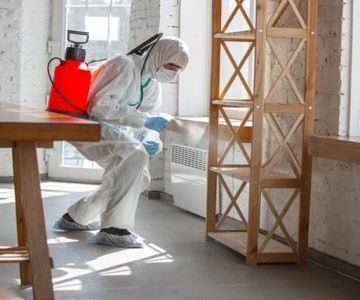
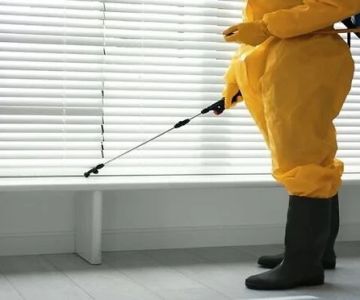
For serious infestations, it’s recommended to call a professional pest control service. These experts can assess the extent of the problem and use appropriate methods to eliminate the pests. Whether it’s traps for rodents or insecticides for roaches, professionals have the tools and knowledge to handle the issue safely and effectively.
4.3 Clean and Sanitize the Affected Area
After pest control treatments, thoroughly clean and sanitize the affected areas. Remove any food sources and wipe down surfaces to prevent pests from returning. It’s also important to disinfect areas where pests have been found, especially in kitchens and bathrooms.
4.4 Prevent Future Infestations
After handling the immediate issue, take steps to prevent future infestations. This may involve sealing entry points, implementing better waste management practices, and maintaining a clean environment. Regular pest inspections can help catch problems before they become serious.
5. Conclusion: Maintaining a Pest-Free Condo
Dealing with pest infestations in condos can be challenging due to the shared living environment, but with the right approach, you can protect your space and prevent future issues. Regular maintenance, proactive pest control, and working with your building management are all essential steps to maintaining a pest-free condo. If you’re dealing with a pest problem, consider visiting PestControlHub for expert advice, products, and professional services to help you keep your condo free from pests.

 Economy Exterminators4.0 (1602 reviews)
 Northwest Exterminating - Ooltewah4.0 (176 reviews)
 Weed Patrol4.0 (33 reviews)
 EcoFusion Pest Control4.0 (37 reviews)
 Varment Guard Wildlife Services5.0 (1 reviews)
 Mission Pest Management5.0 (224 reviews)
 Why Pests Are More Active After Rain: Understanding the Link Between Weather and Pest Behavior
 How to Safely Use Fumigation Methods: A Comprehensive Guide for Homeowners
 How to Protect Your Home from Termites During Drought
 How to Evaluate Pest Return Risk Over Time: Key Factors and Tips
 How to Repair Structural Damage Caused by Pests
 How to Protect Your Home from Cockroaches in Hot Weather