
How to Keep Pests Out of Your Crawl Space
- 1. Understanding Pests in Your Crawl Space
- 2. Effective Tips to Prevent Pests in Your Crawl Space
- 3. Regular Inspections and Maintenance
- 4. When to Call a Professional Pest Control Service
1. Understanding Pests in Your Crawl Space
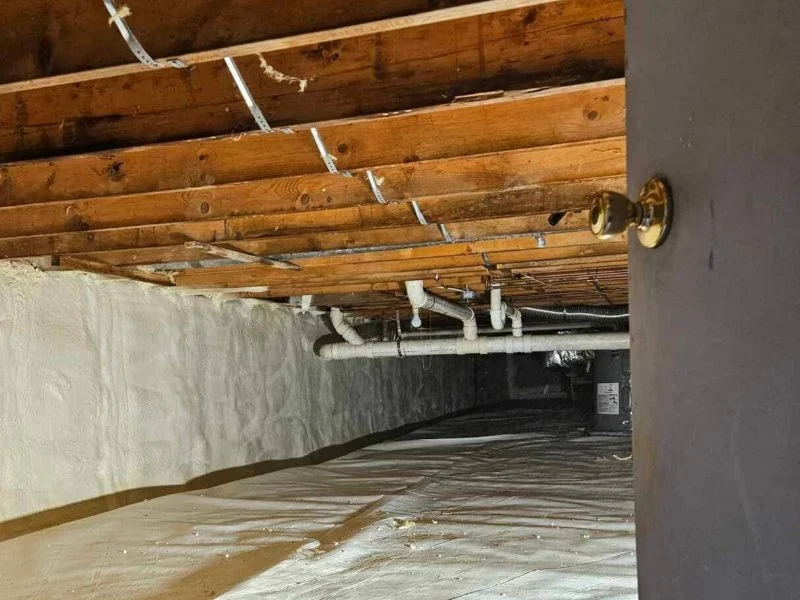
Crawl spaces are common entry points for pests like rodents, insects, and even termites. These areas are dark, damp, and often poorly ventilated, making them ideal environments for a variety of pests. Understanding the types of pests that typically invade crawl spaces can help you better address the issue.
Diamond Solutions Crawlspaces
689 W Morgan St Suite B, Spencer, IN 47460, USA
1.1 Common Pests in Crawl Spaces
Insects such as ants, cockroaches, and termites often thrive in humid crawl spaces, while rodents like mice and rats can easily burrow into these areas. Additionally, larger animals, like raccoons and squirrels, might find their way into crawl spaces looking for shelter.

1.2 Why Crawl Spaces Are Ideal for Pests
Crawl spaces are typically poorly maintained and offer easy access points for pests. These spaces are often hidden from sight, making it harder to spot infestations early on. Without proper sealing, pests can make themselves at home and quickly spread throughout your house.
2. Effective Tips to Prevent Pests in Your Crawl Space
Preventing pests from entering your crawl space requires a combination of sealing, maintenance, and vigilance. Here are some actionable steps you can take:
2.1 Seal Gaps and Cracks
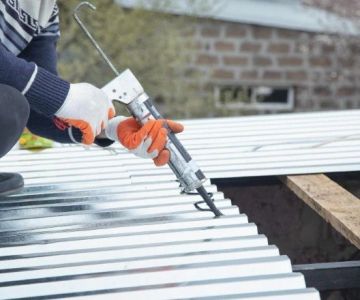
One of the most effective ways to prevent pests from entering your crawl space is by sealing any cracks, gaps, or holes. Use caulk, foam insulation, or mesh to close off openings around vents, pipes, and foundation walls. This will help keep out rodents and insects.
2.2 Install a Vapor Barrier
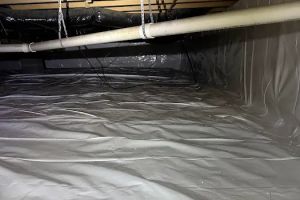
Moisture attracts pests, so it’s important to reduce humidity in your crawl space. A vapor barrier is a plastic sheet that covers the ground of your crawl space to prevent moisture from seeping into the area. Installing this barrier will not only help keep pests at bay but also reduce the risk of mold and mildew.
2.3 Improve Ventilation
Proper ventilation can help maintain a dry and healthy crawl space, which is less appealing to pests. Make sure that any vents in your crawl space are clear of debris and functioning properly. If necessary, consider installing additional ventilation to ensure airflow and reduce humidity levels.
2.4 Keep the Area Clean and Dry
Clutter in your crawl space can provide pests with places to hide. Regularly remove any debris or organic materials like leaves, wood, or cardboard that can attract pests. Additionally, ensure that the space remains dry by addressing any leaks in pipes or foundation cracks.
3. Regular Inspections and Maintenance
Regular inspections are crucial in preventing pest infestations in your crawl space. Here’s how to stay on top of maintenance:
3.1 Check for Signs of Pests
At least once a year, inspect your crawl space for signs of pests, including droppings, gnaw marks, and webs. Look for any damage to insulation, pipes, or the vapor barrier that could allow pests access. Early detection is key to controlling an infestation before it spreads.
3.2 Schedule Professional Inspections
If you're unsure about the condition of your crawl space, consider hiring a professional pest control service to conduct a thorough inspection. Experts can identify potential risks and offer solutions to prevent future infestations.
4. When to Call a Professional Pest Control Service
Sometimes, despite your best efforts, pests can still make their way into your crawl space. In these cases, it’s important to know when to call in a professional. Here are some signs it’s time to get help:
4.1 Severe Infestation
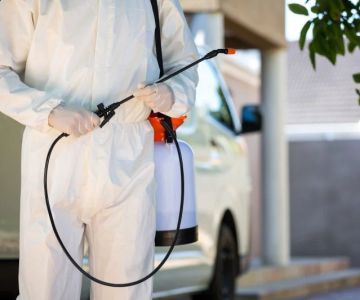
If you notice a large number of pests or see signs of extensive damage, such as chewed electrical wires or structural damage, it's time to call a professional pest control service. A pest control expert can assess the situation and take quick action to eradicate the problem.
4.2 Persistent Moisture Issues
If moisture continues to be a problem in your crawl space, leading to mold growth or attracting pests, a professional can help by installing a more effective drainage system or providing other moisture control solutions.
4.3 Rodent or Wildlife Issues
If larger animals, like raccoons or squirrels, have entered your crawl space, they can be difficult to remove without professional help. A pest control expert can safely trap and relocate wildlife without causing harm to your home or the animals.
By following these preventive measures and staying vigilant, you can keep pests out of your crawl space and protect your home from potential damage. If you need help with pest prevention or management, contact experts at PestControlHub for the best solutions available.




 Hilton Head Exterminators4.0 (627 reviews)
 Monarch Pest Control Corporation5.0 (28 reviews)
 Mainely Ticks4.0 (52 reviews)
 Boggs Pest Control Inc.4.0 (42 reviews)
 Rocket Pest Control4.0 (203 reviews)
 Hi-Level Pest Services4.0 (7 reviews)
 How to Block Pest Entry Around Deck Joists: Effective Solutions
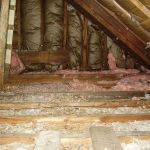 How to Spot Pest Damage in Attic Insulation
 How to Control Pests in Crawl Spaces: Effective Methods for a Pest-Free Home
 How to Evaluate Pest Control Warranty Offers – A Guide for Homeowners
 How to Use Barrier Treatments in Key Zones for Effective Pest Control
 How to Monitor Pest Activity After Treatment