

How to Prevent Pest Infestations in Sheds and Outbuildings
- 1. Introduction: Understanding the Risks of Pests in Sheds
- 2. Identifying Common Pests in Sheds and Outbuildings
- 3. Preventive Measures: Keeping Pests Out
- 4. Sealing Entry Points to Prevent Infestations
- 5. The Importance of Proper Shed and Outbuilding Maintenance
- 6. Case Study: Successful Pest Prevention in a Rural Shed
- 7. Recommended Products for Pest Control
1. Introduction: Understanding the Risks of Pests in Sheds
Sheds and outbuildings are essential storage spaces that often contain valuable items such as gardening tools, equipment, and even food supplies. Unfortunately, they can also become prime targets for pests. These unwanted guests can damage your belongings, spread diseases, and even pose health risks. Understanding the importance of preventing pest infestations is the first step in maintaining a safe and clean environment for your tools and personal items.
2. Identifying Common Pests in Sheds and Outbuildings
Before you can effectively prevent pests, it’s crucial to know which ones are likely to invade your shed or outbuilding. Some of the most common pests include:
- Rodents: Mice and rats are notorious for sneaking into sheds in search of food and shelter. They can chew through wires, insulation, and wooden structures.
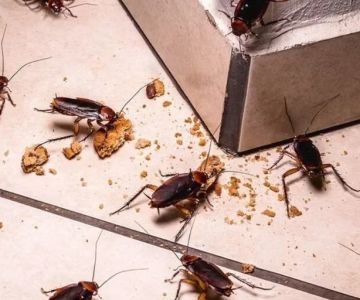
- Insects: Ants, termites, cockroaches, and spiders can easily infiltrate sheds, damaging wooden items, tools, and even food supplies stored in your shed.
- Birds: Birds, particularly pigeons, may try to nest in sheds, leaving droppings that can damage items and pose health hazards.
- Raccoons and Other Wildlife: Larger animals like raccoons or squirrels may find their way into sheds, attracted by food and warmth, causing considerable damage.
3. Preventive Measures: Keeping Pests Out
Prevention is key when it comes to protecting your shed from pests. By implementing several effective strategies, you can minimize the risk of an infestation:
- Cleanliness: Keep the shed free of food debris, plant matter, and standing water. Pests are often attracted to these resources.
- Proper Storage: Store tools, food, and other materials in sealed containers to avoid attracting pests.
- Regular Inspections: Routinely inspect your shed for signs of pest activity, such as droppings, chewed wires, or nesting materials.
4. Sealing Entry Points to Prevent Infestations
One of the most effective ways to keep pests out of your shed is by sealing any potential entry points. Here's how:
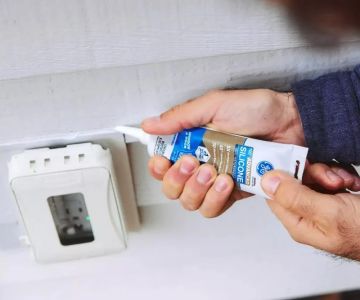
- Check for Gaps: Inspect doors, windows, and vents for gaps or cracks that could allow pests to enter. Seal these areas using caulking or weatherstripping.
- Install Door Sweeps: Install door sweeps to prevent rodents from slipping under the door.
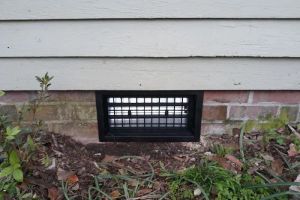
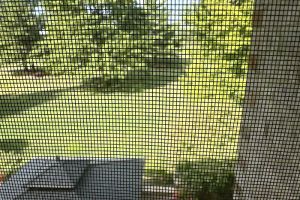
- Cover Vents: Install mesh screens or vents with small holes to block pests while allowing for ventilation.
5. The Importance of Proper Shed and Outbuilding Maintenance
Maintaining a well-kept shed or outbuilding is essential for keeping pests at bay. Here are a few maintenance tips:
- Repair Holes and Cracks: Ensure there are no cracks in the foundation, walls, or roof that pests can use to enter.
- Remove Clutter: A cluttered shed is a perfect hiding spot for pests. Keep the space organized and free of unnecessary items that pests can nest in.
- Proper Drainage: Ensure that your shed has proper drainage to prevent moisture buildup, which can attract insects and rodents.
6. Case Study: Successful Pest Prevention in a Rural Shed
In a rural area, a family struggled with rodent and insect infestations in their garden shed. By applying several pest prevention techniques, including sealing entry points, installing door sweeps, and storing food in airtight containers, they were able to eliminate the pests and prevent future problems. Their shed remained pest-free and organized, making it easier to access their tools and supplies.
7. Recommended Products for Pest Control
To further protect your shed from pests, consider using the following products:
- Rodent Traps: Snap traps or live traps are great for capturing rodents before they cause significant damage.
- Pest Repellents: Natural repellents like peppermint oil or commercial sprays can help keep insects and rodents at bay.
- Weatherstripping and Caulking: These materials are essential for sealing cracks and gaps around windows and doors.

 Able Exterminators3.0 (2 reviews)
 Orkin4.0 (3058 reviews)
 Green Queen4.0 (439 reviews)
 Aptive Pest Control4.0 (4906 reviews)
 Active Pest Control4.0 (394 reviews)
 Warrior Wildlife5.0 (101 reviews)
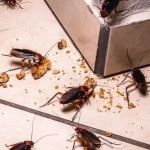 How to Keep Cockroaches From Reinfesting After Treatment
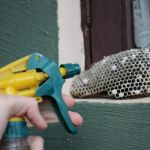 How to Keep Wasps Away From Garage Openings
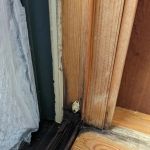 How to Prevent Pest Intrusions at Door Frames: Essential Tips for Homeowners
 How to Control Pests in Crawl Spaces: Effective Methods for a Pest-Free Home
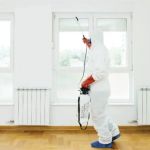 DIY vs Professional Pest Control: Which One Saves You Money?
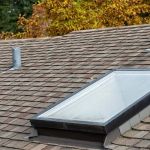 How to Deal With Pest Intrusions Through Roof Vents: A Complete Guide