PestControlHub
PestControlHubpest control Blogspest control near me
ConnecticutDelawareDistrict of ColumbiaMaineMarylandMassachusettsNew HampshireNew JerseyNew YorkOhioPennsylvaniaRhode IslandVermontVirginiaWest Virginia

PestControlHubpest control Blogs

How to Deal With Pest Infestations in Vacant Homes: A Practical Guide

How to Deal With Pest Infestations in Vacant Homes: A Practical Guide

1. Why Vacant Homes Are Prone to Pest Infestations

Vacant homes are more vulnerable to pest infestations due to a variety of factors. When a house is left unoccupied, it provides an ideal environment for pests to settle and multiply. Here's why vacant homes are particularly prone to pests:Lack of Activity: Without people living in the home, there’s less movement, noise, and human activity that would typically deter pests. Insects and rodents are attracted to quiet, undisturbed areas where they can find food and shelter.Open Access Points: Vacant homes often have unsealed windows, doors, or cracks in the foundation. These gaps provide easy entry points for pests like rodents, cockroaches, and termites.Unmaintained Condition: When a home is unoccupied, it may fall into disrepair. Leaky pipes, overgrown vegetation, and abandoned food waste can attract pests seeking water, food, and shelter.

2. Common Pests in Vacant Homes

Several types of pests are particularly common in vacant homes. These pests can cause significant damage to the property, not to mention health hazards. Here are some of the most common pests found in vacant homes:Rodents: Mice and rats are notorious for infesting vacant homes. They seek food and shelter, often nesting in hidden places like walls, attics, or basements.Insects: Common pests like cockroaches, ants, and termites are attracted to abandoned homes. These insects can cause property damage and spread diseases.Birds and Bats: In some cases, birds or bats may nest in vacant homes, particularly in attics or chimneys. Their droppings can create unsanitary conditions and damage roofing and insulation.Termites: Termites are particularly destructive and can infest vacant homes without being noticed. They feed on wood, which can weaken the structural integrity of the property over time.

3. How to Prevent Pest Infestations in Vacant Homes

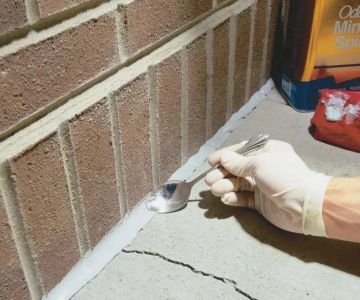
Preventing pests in vacant homes requires proactive measures to make the property less attractive to pests and seal off potential entry points. Here are some key steps to prevent infestations:Seal Entry Points: Make sure all windows, doors, and vents are properly sealed. Repair any cracks or holes in the walls or foundation to prevent pests from gaining access to the interior of the house.Clear the Exterior: Trim any overgrown bushes, trees, or vines around the home, as these can provide shelter for rodents and insects. Keep the area around the house clean and free from debris.Check for Standing Water: Ensure there are no leaking pipes or standing water inside or outside the home. Stagnant water is a magnet for pests, particularly mosquitoes.Remove Food Sources: If the house was previously occupied, make sure to remove any leftover food items that might attract pests. Clean all countertops, shelves, and storage areas thoroughly.

4. What to Do If You Discover Pests in a Vacant Home

If you find evidence of pests in a vacant home, it’s important to act quickly to prevent the situation from worsening. Here’s what you should do if pests are discovered:Identify the Pest: First, try to identify the type of pest. This will help determine the best course of action. For example, rodents may require traps, while termites may require professional extermination.Clean the Affected Areas: If possible, clean the areas where pests are most active. This can help remove food sources and make the home less appealing to pests.Call a Pest Control Professional: If the infestation is severe, it’s best to call a professional pest control company. They can provide a thorough inspection and treatment plan to eliminate the pests and prevent further damage.

5. Effective Pest Control Strategies for Vacant Homes

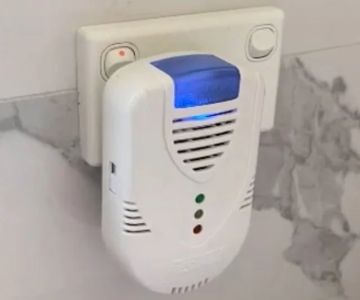
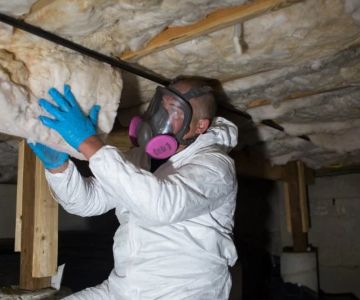
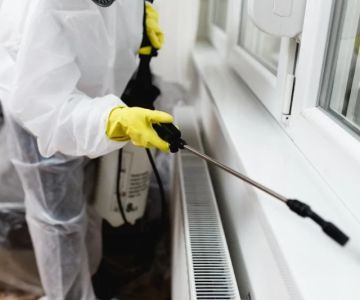
For effective pest control in vacant homes, consider these strategies that address both immediate issues and long-term prevention:Baiting and Trapping: For rodents, setting up traps or using bait stations can help reduce the population. Always check traps regularly and dispose of caught animals humanely.Pesticides: If insects like cockroaches or ants are the problem, using pesticide treatments can help eliminate the infestation. Always follow safety instructions and use non-toxic options when possible.Fumigation: In the case of severe termite or rodent infestations, fumigation might be necessary. This process involves sealing the home and filling it with gas that kills pests inside the structure.Ongoing Monitoring: Even after the initial treatment, regular pest inspections are essential to ensure the problem doesn’t recur. Set up a schedule to check the home periodically.

6. Real-Life Cases of Successful Pest Control in Vacant Homes

Here are some real-life examples of how pest control strategies were successfully implemented in vacant homes:Case Study 1 – The Abandoned House Next Door: A local property owner noticed an abandoned house was attracting rats and termites. After sealing the entry points, applying bait stations for the rodents, and using termite treatments, the property was pest-free within two weeks.Case Study 2 – Emily’s Inherited Property: Emily inherited a vacant home that had been sitting empty for years. After discovering a roach infestation, she called a pest control professional who conducted a thorough fumigation. Emily also followed up with regular inspections, preventing future infestations and protecting her investment.

Popular Blog Posts

Categories

Top Visited Sites

Trending pest control Blogs Posts