
- 1- The Importance of Monitoring Pest Conditions in Crawlspaces
- 2- Common Pests Found in Crawlspaces
- 3- Signs of Pest Infestation in Crawlspaces
- 4- Effective Methods to Monitor Pest Conditions
- 5- Preventive Measures to Keep Crawlspaces Pest-Free
1- The Importance of Monitoring Pest Conditions in Crawlspaces
Crawlspaces are a common entry point for pests, and because they are often hidden and neglected, they can become an ideal breeding ground for a variety of insects, rodents, and other pests. Monitoring pest conditions in crawlspaces is essential for maintaining a healthy and safe living environment. Not only can pests cause damage to your home, but they can also pose serious health risks.
Regular inspection and monitoring of your crawlspace can help you detect early signs of an infestation, prevent costly damage, and protect your home from potential health hazards. In this article, we will explore how to monitor pest conditions in crawlspaces, identify common pests, and provide tips on how to keep these areas free from unwanted intruders.
2- Common Pests Found in Crawlspaces
Crawlspaces are attractive to a variety of pests due to the shelter they provide and the access to food and water sources. Here are some of the most common pests you may encounter in crawlspaces:
2.1. Rodents
Rodents, including mice and rats, are among the most common pests found in crawlspaces. They can chew through insulation, wires, and wood, causing structural damage and creating potential fire hazards. They also carry diseases, such as Hantavirus, which can pose a serious health risk to your family.
2.2. Termites
Termites thrive in damp, dark environments like crawlspaces. These insects can cause extensive damage to the wooden structures of your home, leading to expensive repairs if left unchecked. Their ability to silently eat away at wood makes early detection essential to preventing major structural damage.
2.3. Ants
While not as destructive as termites, ants can still be a nuisance in crawlspaces, particularly carpenter ants, which can also damage wood. Ants often create nests in warm, humid areas, and if left unchecked, their colonies can grow rapidly.
2.4. Spiders
Spiders often seek out dark, undisturbed spaces such as crawlspaces. While most spiders are harmless, some, like black widows or brown recluse spiders, can pose serious health risks due to their venomous bites. Regular monitoring can help you identify these dangerous pests early.
3- Signs of Pest Infestation in Crawlspaces
Detecting a pest infestation early is crucial for preventing further damage. Here are some common signs of pest activity in crawlspaces:
3.1. Droppings
Rodent droppings are one of the most obvious signs of an infestation. Rat and mouse droppings are typically small, dark, and pellet-shaped. Finding droppings near entry points or along common travel routes in the crawlspace is a clear indication that pests are present.
3.2. Gnaw Marks
If you notice gnaw marks on pipes, wires, or wood in your crawlspace, it’s a sign that rodents are actively chewing and potentially causing damage. These marks are particularly common in areas where food sources are scarce or in moist conditions.
3.3. Hollow Sounds or Rustling Noises
Hearing scratching, gnawing, or rustling noises in the crawlspace, especially at night, can indicate that rodents or other pests are active in the area. Termites may also cause a hollow sound when they chew through wood, which can be heard during an inspection.
3.4. Visible Nests
Rodents and insects often build nests in hidden corners or under insulation in crawlspaces. These nests may contain shredded paper, fabric, or insulation. Finding a nest is a strong indication that pests are not only present but also nesting in your crawlspace.
4- Effective Methods to Monitor Pest Conditions
Regular monitoring is key to identifying pest infestations before they become serious. Here are some effective methods for monitoring pest conditions in crawlspaces:
4.1. Visual Inspections
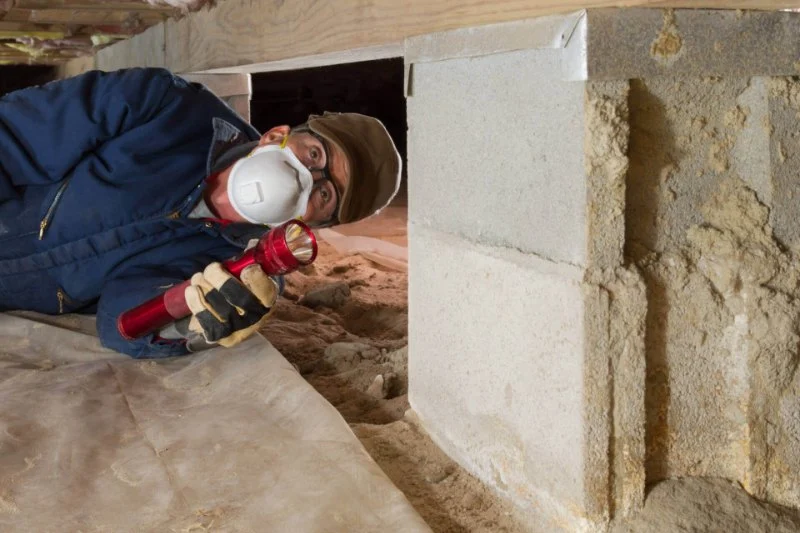
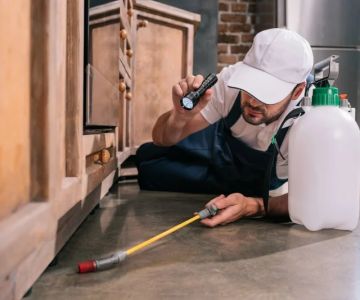
Perform regular visual inspections of your crawlspace, looking for signs of pests, damage, or changes in the environment, such as moisture buildup or mold. You may need to use a flashlight and a mirror to check hard-to-reach areas. Pay attention to areas near vents, pipes, or corners where pests are likely to enter.
4.2. Pest Monitoring Devices
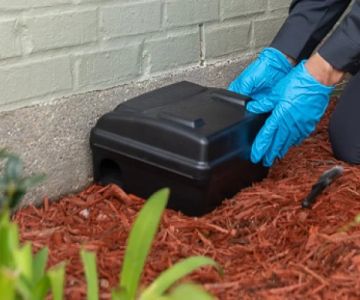
Pest monitoring devices, such as rodent traps, bait stations, or insect monitors, can help detect the presence of pests. These devices can be placed strategically in areas where pests are likely to frequent. If you notice that traps are regularly filled or bait is consumed, it’s time to take action.
4.3. Professional Inspections
If you suspect an infestation but cannot find any visible signs, or if you want a thorough inspection, consider hiring a professional pest control expert. A certified pest control technician can inspect your crawlspace for hidden pest activity and provide recommendations for treatment.
5- Preventive Measures to Keep Crawlspaces Pest-Free
Prevention is always the best solution when it comes to pests. Here are some key preventive measures to help keep your crawlspace pest-free:
5.1. Seal Entry Points
Identify and seal any cracks, gaps, or holes in the crawlspace that pests can use to enter. Common entry points include gaps around pipes, vents, and foundation cracks. Sealing these areas will help prevent pests from gaining access in the first place.
5.2. Control Moisture
Pests like termites and rodents thrive in damp environments. Installing proper drainage, improving ventilation, and using a dehumidifier in your crawlspace can help reduce moisture levels and make the area less inviting to pests.
5.3. Regular Maintenance
Regular maintenance of your crawlspace, such as cleaning out debris, replacing damaged insulation, and checking for water leaks, can help prevent pest infestations. Keeping your crawlspace clean and dry will discourage pests from nesting there.
For more tips on pest control and to find reliable pest control services, visit [PestControlHub]. Our expert recommendations can help you protect your home from pests and ensure a healthy, safe environment for your family.

 Accutech Pest Management4.0 (187 reviews)
 Orkin4.0 (1335 reviews)
 Sudden Death Termite & Pest Control, LLC4.0 (106 reviews)
 A Amendt Pest Control Co Inc5.0 (17 reviews)
 scapegoat landscaping LLC4.0 (72 reviews)
 Guardian Pest Control0.0 (0 reviews)
 How to Prevent Pest Spread via Firewood: Essential Tips for Protecting Your Home
 How to Repair Structural Damage Caused by Pests
 How to Control Pest Populations After a Natural Disaster: Effective Strategies
 How to Monitor Pest Trends Locally
 How to Use Low Impact Treatments in Sensitive Areas for Effective Pest Control
 How to Maintain Pest-Free Schools and Daycares