
1. Understanding the Basics of a Pest Report
A pest report is an essential tool in understanding the state of pest activity in your home. After a professional pest inspection, this document provides detailed information about the type, extent, and location of pest infestations in your property. Whether you’ve recently had a pest inspection or are preparing for one, it’s crucial to know how to read and interpret the results so you can act accordingly.
Pest reports typically include various findings, such as the identification of pests, their nesting areas, and any damage they may have caused. Some reports also provide recommendations for treatment or ongoing monitoring. By learning how to interpret your pest report, you can better address the issue and prevent future infestations.

Buzz Kill Pest Control
IndianapolisHendricks CountyIndiana
1231 Legacy Ln, Indianapolis, IN 46234, USA
2. Key Components of a Pest Report
Each pest report is unique, but they generally contain several key components that help you understand the full scope of the issue. These are the most common elements you’ll find:
1. Pest Identification: A detailed list of pests found during the inspection, such as rodents, ants, termites, or cockroaches. The report will specify which species are present and any signs of infestation.
2. Infestation Locations: The report will highlight areas where pests are most active, including hidden places such as wall voids, basements, attics, and under floors. Understanding where pests are most concentrated helps prioritize areas that need attention.
3. Damage Assessment: If pests have caused damage to your property, such as gnawing on wood or insulation, it will be noted. The report may include photos or descriptions of the damage, helping you assess the severity of the infestation.
4. Recommendations for Treatment: The pest inspector may suggest a course of action for eliminating the pests, which could include traps, baits, pesticides, or sealing entry points. This section will also outline whether additional monitoring is needed.
5. Preventative Measures: Finally, the report will offer advice on how to prevent future infestations. This could involve recommendations for improving sanitation, sealing cracks, or using specific pest control products to safeguard your home.

3. What to Look for in Your Pest Report
When reviewing your pest report, it’s important to focus on several key areas to ensure you understand the current pest situation in your home:
1. Pest Species Identified: Pay attention to the types of pests mentioned in the report. Different pests require different treatment strategies. For example, termite infestations will require specialized treatment to protect your home’s structure, while rodent problems might necessitate sealing entry points and setting traps.
2. Severity of the Infestation: The report will often include an assessment of the pest population and how severe the infestation is. This will help you understand how urgent the problem is. Early detection of minor issues can prevent larger, more costly infestations down the road.
3. Areas of High Activity: Look for areas where pests are most concentrated. These could be places where pests are nesting, feeding, or entering your home. Understanding these locations can help you focus your efforts on treating the most problematic areas first.
4. Recommendations for Treatment and Monitoring: Carefully review the pest control methods recommended in the report. Consider whether they align with your needs and whether follow-up inspections or treatments will be necessary. Some treatments may require multiple visits or ongoing monitoring to ensure the infestation is fully eradicated.
4. How to Take Action on Your Pest Report
Once you have your pest report, taking swift and appropriate action is essential to preventing further issues. Here are some steps to follow:
1. Prioritize Urgent Issues: If the report indicates a severe infestation or significant damage, take immediate action. Contact a pest control professional to begin treatment right away and discuss a plan for continued monitoring.
2. Implement Preventative Measures: Even if no major infestations are detected, the report may suggest preventative measures that can help reduce the risk of future problems. Follow these recommendations, such as sealing cracks, improving sanitation, and using pest-repellent products.
3. Schedule Regular Follow-Up Inspections: Pest problems can return if not adequately addressed. After treatment, schedule follow-up inspections to ensure the issue has been fully resolved and to catch any potential problems early.
5. PestControlHub Recommendations
At PestControlHub, we understand how important it is to stay on top of pest control. We offer a wide range of products to help you manage and prevent pest issues in your home, including pest traps, insecticides, rodent repellents, and sealants. Our products are designed to complement the recommendations in your pest report, providing effective solutions for pest management and long-term prevention.
If you need further guidance or are ready to take action on your pest report, visit PestControlHub for expert advice and top-quality pest control products to keep your home safe and pest-free.

 Plunkett's Pest Control4.0 (102 reviews)
 Concise Pest Control5.0 (34 reviews)
 Varment Guard Wildlife Services5.0 (28 reviews)
 Bug Sniper Pest Control5.0 (1 reviews)
 Superior Pest Elimination4.0 (222 reviews)
 Anderson Termite & Pest Control1.0 (1 reviews)
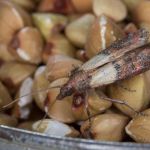 How to Prevent Pantry Insects (Weevils, Moths, Beetles)
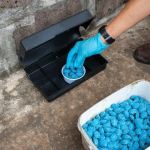 How to Use Long-Term Bait Systems for Rodents
 How to Control Pests Without Pesticides
 How to Monitor Pest Trends Locally
 How to Deal With Pest Infestations Near Water Features
 How to Deal With Pest Issues in Detached Sheds