
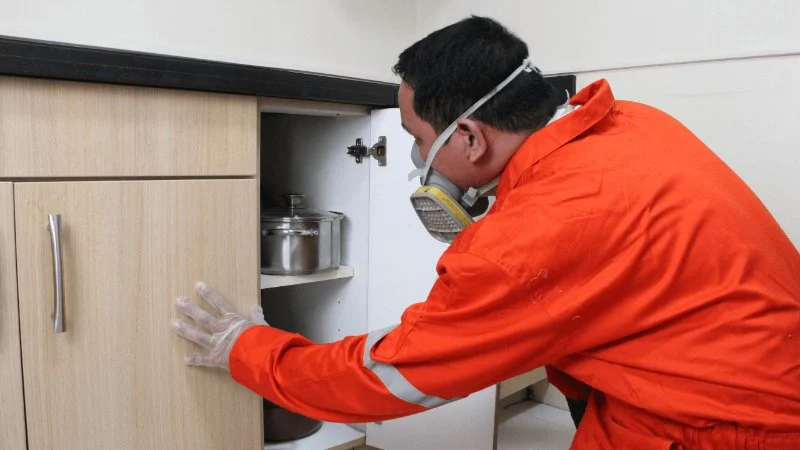
1. Why Pest Inspections After Heavy Rain Are Important
Heavy rain can disrupt the natural habitats of pests and cause them to seek shelter in your home. Many pests, including ants, cockroaches, termites, and rodents, are attracted to areas with standing water or moisture. Understanding how to inspect for pests after heavy rain is crucial to preventing infestations that can harm your home and your health.
2. Types of Pests to Watch for After Heavy Rain
Rainy weather can bring various pests into your home, many of which thrive in damp, humid conditions. Here are a few common pests to be on the lookout for:
2.1. Ants
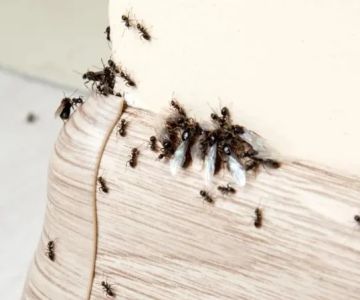
Ants often move indoors after heavy rain in search of food and shelter. They are particularly drawn to areas with water and may be seen swarming in kitchens, bathrooms, or basements.
2.2. Cockroaches
Cockroaches are excellent swimmers and can survive in flooded areas. After rain, they may enter homes looking for dry, warm places to hide. If you spot cockroaches, it’s a sign of a possible infestation that requires immediate attention.
2.3. Rodents
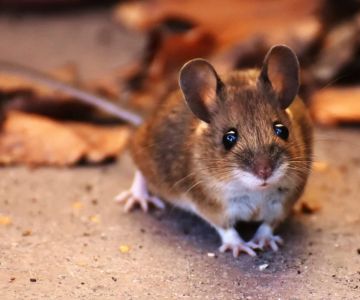
Rats and mice can seek refuge in your home after rain, particularly if their nests or burrows are flooded. Look for droppings or gnaw marks, which are signs of rodent activity.
2.4. Termites
While termites thrive in moist environments, heavy rainfall can cause them to swarm, searching for new places to build their colonies. If you see flying termites near windows or doors, it could indicate a nearby infestation.
3. Steps for Inspecting Your Home for Pests After Rain
Inspecting your home thoroughly after heavy rain will help you catch pest problems early. Here’s how to do it:
3.1. Check for Water Damage
Start by checking for water damage around your home. Inspect areas such as basements, crawl spaces, and attics, where moisture may have collected. Pests are drawn to damp, dark environments, so any water leaks or stagnant pools of water should be addressed immediately.
3.2. Look for Entry Points
Next, examine the exterior of your home for cracks, gaps, or openings that pests could use to enter. Pay special attention to door frames, window seals, and areas around pipes. Sealing these entry points can help prevent pests from coming inside.
3.3. Inspect Indoor Areas for Signs of Pests
Once you’ve checked the exterior, move inside and look for signs of pests. Common indicators include droppings, gnaw marks, or nests. Check your pantry and food storage areas for any signs of ants or cockroaches. If you have pets, check their bedding for pests like fleas or ticks that might have been carried indoors by wet conditions.
3.4. Assess Moisture Levels
Moisture is a key factor in attracting pests, so ensure that there is no excess water lingering in or around your home. Use a dehumidifier in damp areas like the basement and make sure to fix any leaky pipes. Reducing moisture can make your home less inviting to pests.
4. What to Do if You Find Pests
If your inspection reveals signs of pests, it’s time to take action. You can handle minor infestations with DIY methods such as traps, baits, or natural repellents. However, for more serious issues or if the infestation is beyond your control, it’s best to call a professional pest control service.
4.1. DIY Pest Control Solutions
For small pest problems, try using eco-friendly pest control products. For instance, diatomaceous earth can be effective against ants, while vinegar and baking soda can help repel cockroaches. Be sure to follow the product instructions carefully and recheck your home regularly to ensure the problem is under control.
4.2. Professional Pest Control Services
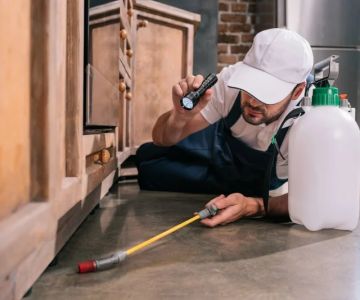
If pests are persistently entering your home after heavy rain, it’s time to consider professional help. Experts can identify the root causes of the infestation and offer long-term solutions. At PestControlHub, we provide the best pest control services tailored to your needs, ensuring your home stays pest-free even after the heaviest downpours.
5. Real-World Example: A Homeowner’s Experience with Post-Rain Pest Control
Mary, a homeowner in Florida, found herself battling a roach infestation after a week of heavy rain. After discovering several cockroaches in her kitchen, she followed the steps for inspecting her home, including checking for moisture and sealing cracks. With the help of professional pest control from PestControlHub, Mary was able to eliminate the infestation and restore peace to her home.
 Plunkett's Pest Control4.0 (102 reviews)
 Concise Pest Control5.0 (34 reviews)
 Varment Guard Wildlife Services5.0 (28 reviews)
 Bug Sniper Pest Control5.0 (1 reviews)
 Superior Pest Elimination4.0 (222 reviews)
 Anderson Termite & Pest Control1.0 (1 reviews)
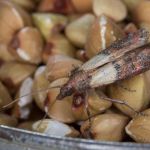 How to Prevent Pantry Insects (Weevils, Moths, Beetles)
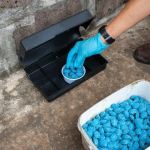 How to Use Long-Term Bait Systems for Rodents
 How to Control Pests Without Pesticides
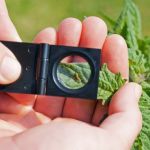 How to Monitor Pest Trends Locally
 How to Deal With Pest Infestations Near Water Features
 How to Deal With Pest Issues in Detached Sheds