
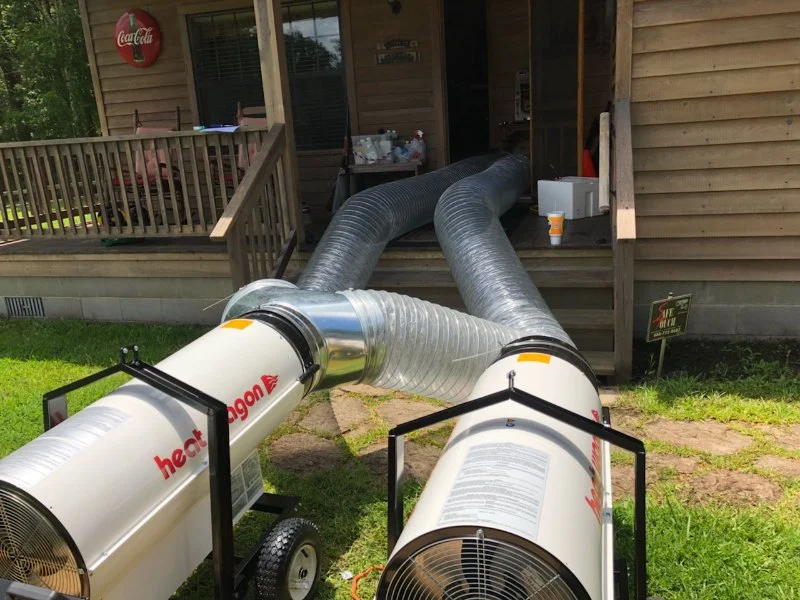
- - Understanding-the-Role-of-Heat-Ventilation-in-Pest-Control
- - How-Heat-Ventilation-Works-to-Repel-Insects
- - Effective-Heat-Ventilation-Methods-for-Insect-Prevention
- - Using-Airflow-Systems-to-Deter-Pests
- - Combining-Heat-Ventilation-With-Other-Insect-Control-Techniques
1. Understanding the Role of Heat Ventilation in Pest Control
When it comes to keeping your home free from pests, heat ventilation might not be the first solution that comes to mind. However, adjusting airflow and temperature can play a crucial role in deterring insects from entering your living space. Many insects, especially those seeking warmth or moisture, can be kept at bay by optimizing your home’s ventilation system. By creating an environment that is inhospitable to pests, you can reduce the likelihood of infestations.

2. How Heat Ventilation Works to Repel Insects
Insects, like mosquitoes, flies, and cockroaches, are often attracted to warmth, moisture, and stagnant air. Heat ventilation works by influencing the conditions that insects find favorable. Proper ventilation reduces humidity levels, increases airflow, and controls temperature fluctuations—all factors that can deter pests. Here’s how heat ventilation directly impacts pest behavior:
iDeal Pest Control & Window Cleaning
711 E Twinsburg Rd Unit #8, Northfield, OH 44067, USA
2.1 Reducing Humidity to Deter Insects
Many insects, such as mosquitoes and termites, thrive in humid environments. By ensuring proper air circulation and reducing indoor humidity, you can make your home less inviting to these pests. Ventilation systems, such as exhaust fans or air conditioning, can help regulate humidity levels, creating an environment where pests are less likely to breed or seek shelter.
2.2 Disrupting Insect Movement with Airflow
Insects like flies and mosquitoes are not strong fliers, and they tend to avoid areas with high airflow. By strategically using ventilation to increase airflow around windows, doors, and vents, you can create physical barriers that make it harder for insects to enter or remain in your home. The constant movement of air discourages insects from settling down and encourages them to look for a more stable environment.
2.3 Regulating Temperature to Create Unfavorable Conditions
Pests such as cockroaches, ants, and bedbugs prefer warm, stable temperatures. Heat ventilation allows you to maintain cooler, less comfortable temperatures inside your home during the warmer months, making it less attractive to pests that thrive in heat. Additionally, controlling indoor temperature with fans or air conditioning systems can discourage insect colonies from establishing themselves indoors.
3. Effective Heat Ventilation Methods for Insect Prevention
There are several practical heat ventilation strategies that you can implement to keep insects at bay. Whether you're dealing with a specific pest or just want to maintain a general level of pest prevention, these methods can help improve your home’s environment.
3.1 Use Exhaust Fans to Control Moisture
Exhaust fans, especially in areas like kitchens and bathrooms, help control moisture by ventilating humid air outside. This reduces the conditions that attract pests like cockroaches, ants, and mosquitoes. Install exhaust fans in high-moisture areas to improve air circulation and reduce the risk of pests nesting in damp corners.
3.2 Install Attic and Crawl Space Ventilation
Attics and crawl spaces are often prone to heat buildup and humidity, which makes them prime real estate for pests like rodents and insects. Installing ventilation systems in these areas will allow hot air to escape and keep the environment dry and less inviting to insects. Ventilating attics and crawl spaces also helps regulate temperature, preventing the formation of an ideal habitat for pests.
3.3 Use Dehumidifiers to Control Indoor Humidity
In areas with high humidity, using dehumidifiers can be an effective way to control moisture and prevent the growth of mold and pests. Dehumidifiers work by pulling moisture from the air and reducing the humidity levels in your home. By keeping the air dry, you’ll make it less conducive to insects like termites and dust mites, which thrive in humid environments.
4. Using Airflow Systems to Deter Pests
Optimizing your home’s airflow is another key factor in preventing insect infestations. Airflow systems, such as ceiling fans, window fans, and whole-house ventilation systems, can help create consistent air movement, which insects avoid. Here are a few ways to enhance your home’s airflow to deter pests:
4.1 Ceiling Fans to Circulate Air
Ceiling fans are an excellent tool for keeping the air moving throughout a room. This simple yet effective method can make it harder for mosquitoes, flies, and other insects to land and settle. By ensuring continuous air movement, ceiling fans can disrupt insect behavior and prevent them from lingering in areas where you entertain or relax.
4.2 Window Fans for Cross-Ventilation
Installing window fans helps create a cross-ventilation system that can pull in fresh air while pushing out warm, humid air. This method is particularly useful for reducing indoor temperatures and humidity, both of which attract insects. By using window fans in the evening, when mosquitoes are most active, you can help prevent their entry into your home.
4.3 Whole-House Ventilation Systems
A whole-house ventilation system is designed to exchange indoor air with outdoor air, improving overall air quality while controlling temperature and humidity. These systems can be particularly effective in large homes or areas that struggle with heat buildup. By ensuring proper ventilation throughout your home, you make it less hospitable to insects that thrive in warmer, stagnant environments.
5. Combining Heat Ventilation with Other Insect Control Techniques
While heat ventilation is an effective tool for deterring insects, it’s even more powerful when combined with other pest control strategies. Here are some additional techniques that can complement your heat ventilation efforts:
5.1 Seal Cracks and Gaps to Prevent Entry
Even with optimal ventilation, insects can still find ways into your home through small cracks and gaps around windows, doors, and walls. Sealing these entry points is a simple but effective way to enhance your overall pest control strategy. Use weatherstripping or caulk to block potential entryways.
5.2 Use Mosquito Nets and Screens
In addition to ventilation, installing window and door screens can help keep insects out. Mosquito nets over beds or outdoor seating areas can also provide an added layer of protection during summer months when mosquitoes are most active.
5.3 Regularly Clean and Maintain Air Systems
A clean air system works more efficiently. Regularly cleaning your ventilation and air conditioning systems prevents dust and debris from building up, which can attract pests like dust mites or ants. Maintaining your HVAC system will also ensure optimal airflow, keeping your home pest-free.
For more tips and products to enhance your home’s pest control, visit PestControlHub, where you can find the best solutions to prevent pests and ensure a comfortable living environment.
 Plunkett's Pest Control4.0 (102 reviews)
 Concise Pest Control5.0 (34 reviews)
 Varment Guard Wildlife Services5.0 (28 reviews)
 Bug Sniper Pest Control5.0 (1 reviews)
 Superior Pest Elimination4.0 (222 reviews)
 Anderson Termite & Pest Control1.0 (1 reviews)
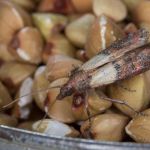 How to Prevent Pantry Insects (Weevils, Moths, Beetles)
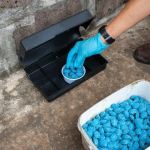 How to Use Long-Term Bait Systems for Rodents
 How to Control Pests Without Pesticides
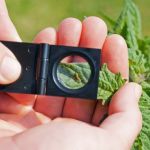 How to Monitor Pest Trends Locally
 How to Deal With Pest Infestations Near Water Features
 How to Deal With Pest Issues in Detached Sheds