- 1. Understanding Common Ant Species in U.S. Homes
- 2. Identifying the Ant Species in Your Home
- 3. How to Kill Ants in Your Home
- 4. Natural and Chemical Methods to Control Ants
- 5. Real-Life Case Study: How One Family Got Rid of Ants
1. Understanding Common Ant Species in U.S. Homes
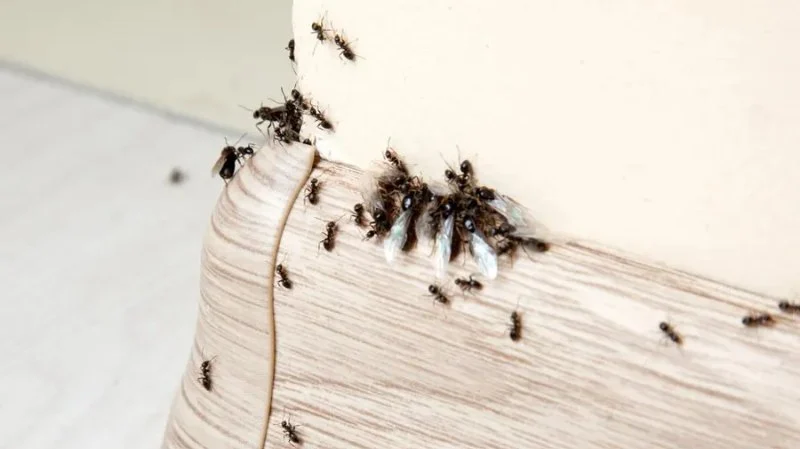
Ants are one of the most common pests found in U.S. homes, and they can be a real nuisance. Understanding the species that typically invade your home is the first step in effectively dealing with them. There are several ant species that thrive in indoor environments, each requiring different methods of control. Let's explore five of the most common ant species that homeowners encounter:
1. Carpenter Ants
Carpenter ants are among the largest ants in the U.S. They are notorious for nesting in wood, often causing significant structural damage to homes. Unlike termites, carpenter ants don't eat wood, but they tunnel through it to create nests. These ants are attracted to moist, decaying wood, and can often be found near leaky pipes or areas with water damage.
Sunrise Pest Control and Wildlife Removal
71 Beatrice Dr, Shirley, NY 11967, USA
2. Odorous House Ants
Odorous house ants are tiny, dark brown ants that release a strong, unpleasant odor when crushed. They are commonly found indoors, especially in kitchens, and are attracted to sugary foods and crumbs. These ants form large colonies and can be difficult to eliminate once they infest your home.
3. Argentine Ants
Argentine ants are small, light brown ants that are known for forming supercolonies. They are particularly aggressive and can quickly take over your home if left unchecked. They tend to invade kitchens and bathrooms, attracted to food and water sources.
4. Sugar Ants
Sugar ants are attracted to sweet foods and are often found in pantries, kitchen counters, and anywhere food is stored. These ants are small, black or reddish, and typically form large trails leading to food sources.
5. Pavement Ants
Pavement ants are small, dark ants often found outdoors under pavement or rocks. However, they frequently invade homes in search of food. These ants are known for creating nests in cracks in the foundation and can be a real problem in homes with poor sealing around doors and windows.
2. Identifying the Ant Species in Your Home
Identifying the specific species of ant in your home is crucial in determining the best treatment approach. Here are some ways to identify which ant species is causing trouble:
Examine Their Size and Color
Ant species vary in size and color, from tiny black ants to larger reddish-brown ones. Identifying the size and color can help you narrow down the species and apply the appropriate solution.
Look for Trails and Nesting Sites
Observe the ants' trails to find out where they are coming from. Carpenter ants, for example, often nest in wood, while sugar ants tend to invade areas near food. Tracking the ants can help you pinpoint the source of the infestation.
Smell the Ants
Odorous house ants have a distinct, foul odor when crushed, which can help differentiate them from other species. If you detect a strong smell when handling the ants, you’re likely dealing with odorous house ants.
3. How to Kill Ants in Your Home
Once you’ve identified the species of ants in your home, it’s time to focus on eliminating them. Here are several methods for killing ants:
1. Ant Baits
Ant baits are an effective way to eliminate ants at their source. Ants carry the bait back to their colony, which can help eradicate the entire nest. Choose the right bait for the species you're targeting, as different ants are attracted to different types of food (sugary for sugar ants, protein-based for carpenter ants).
2. Insecticide Sprays
Insecticide sprays can be effective for killing ants on contact. They are best used in areas where ants are visible, such as along their trails. However, sprays may not reach hidden nests or colonies, so they should be used in combination with other methods.
3. Natural Remedies
If you prefer a more natural approach, consider using diatomaceous earth, a fine powder that can kill ants by dehydrating them. You can sprinkle it around your home’s perimeter, in cracks, and along ant trails to discourage them from entering your space.
4. Natural and Chemical Methods to Control Ants
There are both natural and chemical options for controlling ants. While chemical pesticides are often faster and more effective, natural remedies can be safer for households with children or pets.
Natural Methods
Using ingredients like vinegar, lemon juice, or essential oils can help deter ants naturally. Spraying a mixture of vinegar and water along the ant trails can disrupt their scent trails and drive them away. Additionally, peppermint or cinnamon essential oils can act as natural repellents.
Chemical Methods
Chemical solutions, such as ant sprays, powders, and traps, can be highly effective in eliminating ants. Look for products that target the specific type of ant in your home to ensure maximum effectiveness. Always follow the manufacturer’s instructions when using chemical methods to avoid harm to your family or pets.
5. Real-Life Case Study: How One Family Got Rid of Ants
The Lopez family in Florida was dealing with a sugar ant infestation in their kitchen. They noticed trails of ants leading to food crumbs left on the counter. After identifying the ants as sugar ants, they set out ant baits and sprayed a vinegar solution along their trails. Within a week, the ant problem was resolved, and they no longer found ants in their kitchen. By combining natural remedies with targeted ant baits, they were able to eliminate the infestation without using harsh chemicals.
Real-life experiences like the Lopez family’s show how effective a combination of strategies can be when dealing with ants. Whether you choose natural or chemical methods, it’s important to take a proactive approach and eliminate the source of the infestation to ensure long-term success.
If you're looking for the best ant control products or need professional pest control services, visit PestControlHub to find the right solutions for your home.

 Pest Pro Inc4.0 (33 reviews)
 Orkin1.0 (1 reviews)
 Terminators Pest Control DIY Shop4.0 (3 reviews)
 Absolute Pest Services5.0 (29 reviews)
 Annihilator Extermination | Best Emergency Exterminator Staten Island | Pest Control4.0 (188 reviews)
 Moxie Pest Control4.0 (1419 reviews)
 How to Monitor Pest Return After Treatment: Tips and Best Practices
 DIY vs Professional Pest Control: Which One Saves You Money?
 How to Block Pest Entry in Retaining Walls: Effective Solutions
 How to Choose Between Bait and Spray for Ants: Effective Solutions for Your Home
 How to Prevent Pest Migration Between Buildings | Pest Control Tips
 How to Monitor Pest Return After Rainy Seasons