- Understanding Sensitive Zones in Pest Control
- Low-Toxic Methods for Safe Pest Control
- Advantages of Low-Toxic Methods Around Sensitive Zones
- Real-Life Examples of Low-Toxic Pest Control
- Where to Find the Best Low-Toxic Pest Control Products
Understanding Sensitive Zones in Pest Control
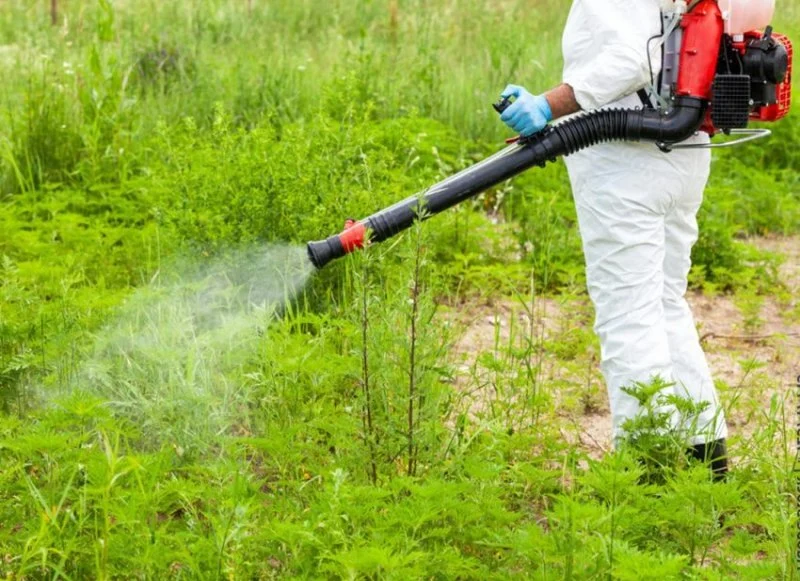
In pest control, sensitive zones refer to areas where traditional chemical pest control methods can pose a risk to human health, pets, or the environment. These zones include areas like nurseries, kitchens, schools, or homes with small children. In these spaces, conventional pesticides can cause harm. Therefore, using safer, low-toxic methods is crucial.

Low-Toxic Methods for Safe Pest Control
Low-toxic pest control methods involve the use of natural or eco-friendly solutions that minimize harm to the environment while still effectively eliminating pests. Here are a few popular approaches:
- Essential Oils: Many essential oils like peppermint, eucalyptus, and citronella act as natural repellents. These oils are safe to use around sensitive areas and are an excellent alternative to harsh chemicals.
- Diatomaceous Earth: A non-toxic powder made from the fossilized remains of marine phytoplankton. It is safe for pets and humans but deadly to insects due to its ability to dehydrate them.
- Insecticidal Soaps: These soaps are made from plant oils and can control pests without leaving harmful residues, making them ideal for use in sensitive zones.
Advantages of Low-Toxic Methods Around Sensitive Zones
Low-toxic pest control methods provide several key benefits, especially around sensitive zones:
- Safety: The most significant benefit is the safety of people, pets, and the environment. Low-toxic solutions ensure that no harmful chemicals are introduced into the home or environment.
- Eco-Friendly: Low-toxic pest control methods reduce pollution and are often biodegradable, making them better for the planet.
- Long-Term Effectiveness: While low-toxic solutions might take a little longer to work than chemical alternatives, they can often provide long-term control when used properly.
Real-Life Examples of Low-Toxic Pest Control
Many homeowners and businesses are adopting low-toxic pest control methods. For example, a daycare center in California switched to essential oils and diatomaceous earth to combat ants and rodents. The results were impressive—pests were eliminated without exposing children to toxic chemicals.
Another case involves a local restaurant that uses insecticidal soaps and natural repellents in the kitchen. Not only has this reduced pest issues, but it has also enhanced the restaurant's reputation for being environmentally conscious and safe for customers with allergies.
Pro Bird Control Hartford
HartfordCapitol Planning RegionConnecticut
4 Grandview Terrace, Hartford, CT 06114, USA
Where to Find the Best Low-Toxic Pest Control Products
If you're looking for effective low-toxic pest control products, PestControlHub offers a range of eco-friendly and safe pest management solutions. From essential oils to diatomaceous earth, you can find high-quality products designed for sensitive zones. Visit the website to explore your options and choose the best solution for your needs.

 McCloud Services5.0 (127 reviews)
 Terminix4.0 (171 reviews)
 Griffin Pest Solutions, Inc.4.0 (299 reviews)
 Mosquito Joe of Eastern Suffolk4.0 (104 reviews)
 Boatner's Pest Management4.0 (15 reviews)
 Servpro of Boone and Clinton Counties4.0 (39 reviews)
 How to Inspect Crawl Spaces for Rodents
 How to Use Smoke Tests to Reveal Pest Entry Points – A Simple Guide
 How to Use Smart Devices for Insect Alerts
 How to Seal Gaps at Door Bottoms to Block Insects
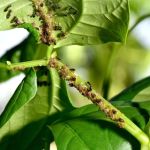 How Tree Limbs and Shrubs Can Invite Pests into Your Garden
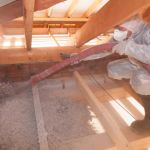 How to Treat Pest Infestations in Attic Insulation