
- 1-How Tree Limbs and Shrubs Attract Pests
- 2-Common Pests Found in Trees and Shrubs
- 3-Effective Ways to Prevent Pests in Your Garden
- 4-Real-Life Example: Tackling Pests in a Garden with Overgrown Shrubs
1. How Tree Limbs and Shrubs Attract Pests
Tree limbs and shrubs provide the perfect environment for pests to thrive. Overhanging branches or dense shrubbery offer shelter, food, and a convenient place for pests like insects, rodents, and fungi to flourish. Pests are naturally drawn to areas where they can find moisture and protection, which is why poorly maintained trees and shrubs can quickly become breeding grounds for garden pests. When tree limbs hang too low or shrubs become overgrown, they create a welcoming space for pests to invade your garden, causing damage to your plants and landscape.

Rose Pest Solutions Cleveland
Cuyahoga FallsSummit CountyOhio
3499 State Rd Suite B, Cuyahoga Falls, OH 44223, USA
2. Common Pests Found in Trees and Shrubs
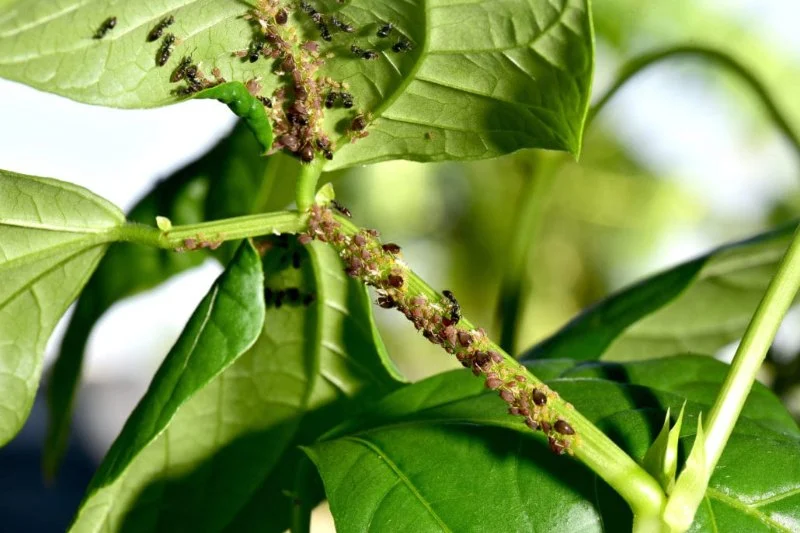
Several types of pests can take shelter in trees and shrubs, including insects like aphids, caterpillars, and scale insects. These pests often feed on the leaves, stems, and roots, weakening the plants and making them more susceptible to disease. In addition to insects, rodents like squirrels and mice can also use dense shrubbery and overhanging limbs to build nests, causing potential damage to your garden. Fungal diseases, such as powdery mildew, can also spread easily in areas where tree limbs and shrubs are overcrowded, further contributing to pest issues.

3. Effective Ways to Prevent Pests in Your Garden
To reduce the risk of pests, regular maintenance of tree limbs and shrubs is essential. Start by regularly trimming tree limbs to ensure they don't hang too low or become overcrowded. This will help reduce the shelter available for pests and ensure that light can reach all areas of the garden, preventing damp, shaded spots where pests thrive. Prune shrubs to improve air circulation and remove dead or damaged foliage, which can attract insects and fungi. Additionally, mulching around your plants can help retain moisture while discouraging pests. Using pest-resistant plant varieties and organic treatments can further protect your garden from common pests.
4. Real-Life Example: Tackling Pests in a Garden with Overgrown Shrubs
At PestControlHub, we recently helped a homeowner deal with a severe pest infestation caused by overgrown shrubs and tree limbs in their garden. The shrubs were dense, providing an ideal environment for aphids, caterpillars, and rodents. By trimming the trees and pruning the shrubs, we removed the pest habitat and improved air circulation in the garden. We also applied an organic pest control treatment, which helped eliminate the existing pests and prevent future infestations. The homeowner was thrilled with the results, as their garden became healthier and pest-free, and the maintenance required was significantly reduced.

 Absolute Pest Services5.0 (29 reviews)
 Ed's Pest & Wildlife Control, LLC4.0 (183 reviews)
 Mosquito Shield of Northwest Atlanta4.0 (24 reviews)
 Pest Management Services LLC4.0 (19 reviews)
 Anchor Pest Control5.0 (6833 reviews)
 Terminix4.0 (231 reviews)
 How to Prevent Pest Spread Between Units in Apartments: Essential Tips for Apartment Residents
 How to Keep Crawlspaces Dry and Pest-Free: Essential Tips
 How to Evaluate Pest Control Technologies – Expert Guide for U.S. Consumers
 How to Keep Crawlspaces Ventilated & Pest-Resistant: A Complete Guide
 Why Pests Are More Active After Rain: Understanding the Link Between Weather and Pest Behavior
 How to Effectively Deal With Pest Infestations in Subgrades | PestControlHub