
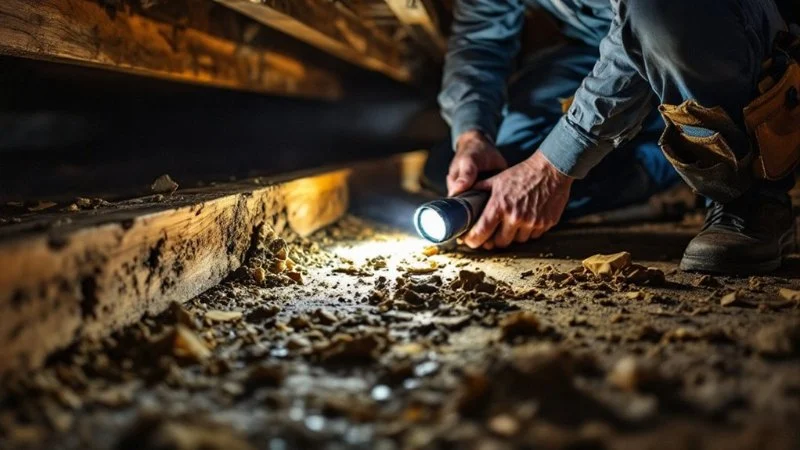
- 1. Introduction to Termite Inspection
- 2. Why Termites Can Be Difficult to Detect
- 3. Key Areas Most Homeowners Miss During Termite Inspections
- 4. How to Conduct a Thorough Termite Inspection
- 5. When to Call a Professional for Termite Control
1. Introduction to Termite Inspection
Termites can silently destroy the structural integrity of your home without you even knowing. A termite inspection is a crucial part of maintaining the longevity of your property, yet many homeowners overlook critical areas where these pests can thrive. Termites are small but incredibly destructive, and catching them early can save you thousands in repairs.
In this article, we will discuss the importance of termite inspections, why certain areas often get missed, and how to ensure that your home remains free from termite damage. Whether you’re performing a routine check or suspecting termite activity, knowing what to look for can make all the difference.

South Shore Mosquito & Tick Control
KingstonPlymouth CountyMassachusetts
80 Evergreen St, Kingston, MA 02364, USA
2. Why Termites Can Be Difficult to Detect
Termites are notorious for being elusive. These pests often work in the background, feeding on the wood inside your walls, foundation, or crawl spaces, making them hard to spot during a quick inspection. Here are a few reasons why termites are difficult to detect:

1. Hidden Damage
Termites usually damage the wood from the inside out, leaving outer surfaces intact while hollowing out beams and structural elements. This makes it difficult for homeowners to notice the damage, especially if the infestation is in the early stages.
2. Small Size
Worker termites are tiny and can easily go unnoticed by homeowners who are not specifically looking for them. Their size makes it difficult to spot them unless you're paying close attention to certain areas like wood that appears softened or hollowed.
3. Activity Behind the Scenes
Termites generally remain hidden in dark, moist environments such as crawl spaces or attics. These locations are often out of sight and neglected during regular home maintenance, so by the time damage becomes visible, it can be extensive.
3. Key Areas Most Homeowners Miss During Termite Inspections
Even though termite inspections are essential, many homeowners fail to thoroughly check all potential problem areas. Here are some commonly missed spots during a termite inspection:
1. Crawl Spaces
Crawl spaces are a prime location for termite activity because they are dark, damp, and often neglected. Many homeowners don't check these areas regularly, but termites thrive in such environments. Check for signs like mud tubes, soft or hollow-sounding wood, and a musty odor, which could indicate an infestation.
2. Basement and Foundation Walls
Termites often enter through cracks in your foundation and walls. While you may think of checking for visible cracks or damage, it's important to also inspect the joints where the walls meet the floor, as termites can travel unnoticed along these hidden areas. Look for signs of moisture or thin mud trails, which indicate termite activity.
3. Wooden Fixtures and Furniture
Wooden furniture or fixtures like beams, cabinets, and shelves can be easily overlooked, but they are prime targets for termites. Regularly tap wooden surfaces and listen for a hollow sound, which could indicate that termites are feeding within. Check for tiny holes, sawdust, or discarded wings as well.
4. Attic and Roof Structure
Attics are often one of the most overlooked areas in a home when it comes to termite inspections. Because they are usually out of sight, termites can easily infest the roof trusses or rafters. Look for signs like sagging beams or holes in the wood, which are telltale signs of termite damage.
5. Exterior Wood Structures
Wooden fences, decks, and siding are particularly vulnerable to termites. Homeowners often neglect the exterior of their home, failing to inspect wood structures regularly. Look for any areas of wood in contact with soil or moisture, as these are prime spots for termites to enter your home.
4. How to Conduct a Thorough Termite Inspection
Performing a thorough termite inspection requires more than just a quick visual check. Here’s how to conduct a complete inspection:
1. Inspect Vulnerable Areas
Start by checking the areas where termites are most likely to be found: crawl spaces, basements, wooden fixtures, and exterior wood structures. Look for mud tubes, frass (termite droppings), or soft, hollow-sounding wood, which are all signs of an infestation.
2. Use Flashlights and Magnifying Tools
Termites often hide in dark, hard-to-reach places. Bring a flashlight to inspect dark corners, basements, and attics. Use a magnifying glass to closely inspect cracks in wood or foundation walls for small signs of damage.
3. Listen for Sounds
Termites are active at night and can be heard chewing through wood. Tap on wooden surfaces and listen for hollow sounds or soft spots. If the wood sounds empty or weak, it may be an indication of termite activity inside.
4. Check for Moisture Issues
Excess moisture attracts termites. Ensure there is no standing water in crawl spaces or leaks in the roof or foundation. Fixing moisture problems can prevent future infestations and help eliminate environments that attract termites.
5. Look for Discarded Wings
During termite swarming season, discarded wings are often left behind in areas where termites have flown. Check windowsills and near light sources for these tiny wings, which can be an indication of a recent swarm and possible infestation.
5. When to Call a Professional for Termite Control
If you suspect a termite infestation or are unsure about how to conduct a proper inspection, it's always a good idea to call a professional pest control service. Termite exterminators have the experience, tools, and knowledge to identify hidden termite damage and implement effective treatment solutions. Additionally, professional pest control companies can provide preventative treatments to protect your home from future infestations.
For expert termite inspections and pest control services, visit PestControlHub to find the best options in your area.


 JW Pest Control LLC5.0 (4 reviews)
 Dodson Pest Control4.0 (269 reviews)
 Apex Termite & Pest Control4.0 (268 reviews)
 Pest Arrest Pest Control4.0 (100 reviews)
 Nextgen Pest Solutions4.0 (546 reviews)
 Mosquito & Pest Authority of Hickory4.0 (354 reviews)
 How to Read a Pest Control Contract: Don’t Get Trapped
 How to Use Non-Chemical Barriers for Pest Control: Natural Solutions for Your Home
 How to Prevent Pest Intrusion in Crawl Spaces
 How to Monitor Pest Harborage Areas Effectively
 How to Remove Wasps Without Getting Stung: Safe and Effective Methods
 Mosquito Control Tips for Backyard Entertaining This Summer