- 1 - Understanding Targeted Barrier Treatments
- 2 - How Barrier Treatments Work
- 3 - Benefits of Targeted Barrier Treatments
- 4 - Applying Barrier Treatments Effectively
- 5 - Tips for Maximizing Effectiveness
1. Understanding Targeted Barrier Treatments
Targeted barrier treatments are a proven method used in pest control to prevent insects and other pests from entering your home or property. These treatments are designed to create a protective barrier around the perimeter of your property, typically targeting the areas where pests are most likely to enter, such as doorways, windows, and cracks in the walls. Barrier treatments are often used as part of a larger pest control strategy to keep unwanted pests away for longer periods.
These treatments are effective for a wide variety of pests, including ants, spiders, termites, mosquitoes, and more. By targeting specific entry points and applying pest repellents directly to these areas, you can significantly reduce the chances of infestations. Many pest control experts recommend barrier treatments as a preventive measure to maintain pest-free surroundings.

2. How Barrier Treatments Work
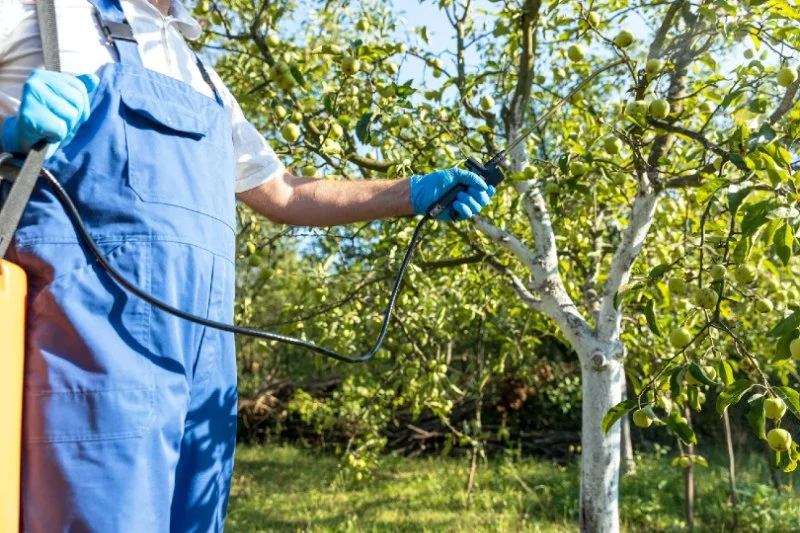
Barrier treatments work by using specialized pesticides or repellents that are applied to the outer areas of your home, such as the foundation, doors, windows, and even the lawn or garden. The treatment forms an invisible barrier that pests encounter as they try to enter the home. When pests come into contact with the barrier, they are repelled or killed, preventing them from infiltrating your property.
Some treatments are designed to repel pests by emitting scents or chemicals that disrupt their sensory receptors. Others work by physically blocking entryways, such as cracks or gaps around windows and doors. Over time, the effectiveness of the treatment may diminish, but regular reapplication ensures ongoing protection from pests.
3. Benefits of Targeted Barrier Treatments
Targeted barrier treatments offer several benefits when used as part of a comprehensive pest control plan:
- Prevention: By creating a protective barrier around your home, these treatments prevent pests from entering in the first place, reducing the need for more invasive pest control measures.
- Long-Term Protection: Unlike short-term solutions, barrier treatments offer long-lasting protection when reapplied regularly. This means fewer pests entering your home over time.
- Minimal Toxicity: Many modern barrier treatments are designed to be less toxic to humans and pets, making them a safer option compared to traditional pest control methods.
- Targeted Application: Because barrier treatments focus on specific areas where pests are likely to enter, they provide more effective protection compared to broad-spectrum sprays or traps.
- Cost-Effective: Preventing infestations with barrier treatments can save you money in the long run by reducing the need for costly pest control interventions or repairs caused by pest damage.
4. Applying Barrier Treatments Effectively
To ensure the effectiveness of barrier treatments, it's essential to apply them properly. Here’s how to apply barrier treatments effectively:
- Choose the Right Product: Select a targeted barrier treatment that is designed for the specific type of pest you are dealing with. Different pests require different treatments, so it’s important to choose a product that targets the pest species present in your area.
- Inspect Entry Points: Before applying the treatment, thoroughly inspect your home for potential entry points such as cracks in the foundation, gaps around windows, and poorly sealed doors. Make sure these areas are cleaned and prepared for the treatment.
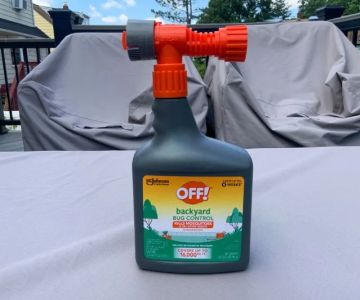
- Apply Evenly: Use a sprayer or applicator to evenly apply the barrier treatment around the perimeter of your home. Focus on areas where pests are most likely to enter, and be sure to cover cracks, crevices, and areas where pests may hide.
- Follow Manufacturer Instructions: Always follow the instructions provided by the manufacturer to ensure the treatment is applied correctly and safely. This will also ensure the maximum effectiveness of the product.
5. Tips for Maximizing Effectiveness
To get the most out of your targeted barrier treatments, here are some tips to help you maximize their effectiveness:
- Reapply Regularly: Barrier treatments lose their potency over time, so it’s important to reapply them every few months or as recommended by the manufacturer to maintain continuous protection.
- Keep Your Home Clean: Pests are attracted to food and waste, so keeping your home clean will help reduce the chances of attracting them in the first place. Clean up crumbs, spills, and trash regularly.
- Seal Gaps and Cracks: In addition to applying barrier treatments, ensure that any gaps or cracks around windows, doors, and the foundation are properly sealed to prevent pests from slipping through unnoticed.
- Consult Professionals: If you have a severe pest infestation or aren’t sure how to apply barrier treatments properly, consider consulting a pest control professional. They can recommend the best treatments and ensure they’re applied effectively.
Targeted barrier treatments are an excellent way to prevent pests from entering your home and maintain a pest-free environment. By following the proper application methods and maximizing their effectiveness, you can ensure long-lasting protection for your home. For top-quality pest control products and expert advice, visit PestControlHub, where you can find the best treatments to keep your property safe and secure.


 JW Pest Control LLC5.0 (4 reviews)
 Dodson Pest Control4.0 (269 reviews)
 Apex Termite & Pest Control4.0 (268 reviews)
 Pest Arrest Pest Control4.0 (100 reviews)
 Nextgen Pest Solutions4.0 (546 reviews)
 Mosquito & Pest Authority of Hickory4.0 (354 reviews)
 How to Read a Pest Control Contract: Don’t Get Trapped
 How to Use Non-Chemical Barriers for Pest Control: Natural Solutions for Your Home
 How to Prevent Pest Intrusion in Crawl Spaces
 How to Monitor Pest Harborage Areas Effectively
 How to Remove Wasps Without Getting Stung: Safe and Effective Methods
 Mosquito Control Tips for Backyard Entertaining This Summer