
- 1- Understanding Pest Problems via Air Vents
- 2- Why Pests Enter Through Air Vents
- 3- Steps to Prevent Pest Spread via Air Vents
- 4- Common Pests Found in Air Vents
- 5- Professional Pest Control Solutions
1. Understanding Pest Problems via Air Vents
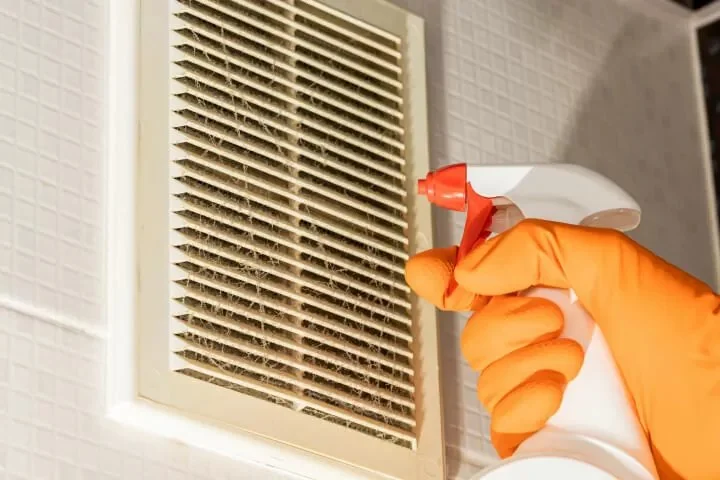
Air vents play an essential role in the ventilation system of your home, providing fresh air and improving air circulation. However, they can also serve as an entry point for pests looking for a warm and safe environment. Pests can infiltrate your home through the HVAC system, causing significant issues like allergies, contamination, and damage to property.
Many homeowners overlook the potential of air vents to harbor pests, but this can lead to severe infestations if not addressed. The spread of pests through air vents can be hard to notice until it becomes a significant problem. Fortunately, there are several preventative measures you can take to minimize the risk of pests entering and spreading through your air ducts.
Waltham Pest Services
New LondonSoutheastern Connecticut Planning RegionConnecticut
400 Bayonet St STE 101, New London, CT 06320, USA
2. Why Pests Enter Through Air Vents
There are several reasons why pests, including rodents, insects, and even larger animals, seek refuge through air vents:
- Warmth: Air ducts provide a consistent, warm environment, especially during colder months, which attracts pests like rodents and insects.
- Dark, Hidden Spaces: Air ducts offer a dark, quiet place that pests can use for nesting and hiding from predators or human activity.
- Food and Water Sources: Kitchens and bathrooms are often connected to air ducts, providing easy access to crumbs or water droplets left behind after cooking or bathing.
Understanding why pests enter air vents can help in creating strategies to block their access and prevent infestations from starting in the first place.

Mosquito Joe of Walpole-Waltham
MedfieldNorfolk CountyMassachusetts
32 R Spring St, Medfield, MA 02052, USA
3. Steps to Prevent Pest Spread via Air Vents
Preventing pests from entering your home via air vents involves a combination of sealing entry points, regular maintenance, and monitoring your air ducts for any signs of pest activity. Below are effective steps you can take:
3.1. Seal Entry Points
The first line of defense against pests is sealing any gaps or cracks in the air ducts or around the vents. These openings provide an easy access point for pests. You can use high-quality duct tape, caulking, or foam to seal any holes or cracks. Pay special attention to areas where ducts meet walls or ceilings.
3.2. Install Vent Covers
Vent covers or grilles with small openings can prevent pests from entering the air ducts. You can also consider installing vent screens made from mesh or steel, which will block pests but still allow airflow.
3.3. Regularly Clean and Inspect Air Vents
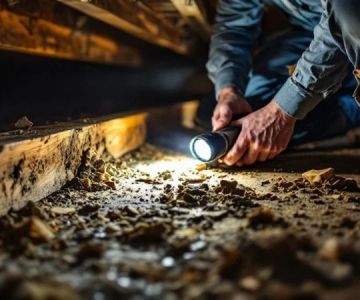
Clean your air vents regularly to prevent the buildup of dust, debris, and potential nesting material that could attract pests. A vacuum with a hose attachment is ideal for reaching deep into the ducts. Regular inspections will help you identify any early signs of infestation, such as droppings, webs, or physical damage to the ducts.
3.4. Use Pest Deterrents in Air Vents
Certain scents, such as peppermint oil, can act as a natural deterrent for pests like rodents and insects. You can soak cotton balls in peppermint oil and place them near the air vents to repel pests. Another option is using pest-repelling ultrasonic devices designed to emit sounds that drive pests away.
3.5. Improve Overall Ventilation
Pests are often attracted to environments that are poorly ventilated. By ensuring your home has proper airflow and maintaining clean air ducts, you reduce the likelihood of pests settling in. Regularly replace your HVAC filters and consider installing an air purifier to reduce the presence of dust, moisture, and food particles.
4. Common Pests Found in Air Vents
There are various types of pests that can infiltrate your air vents, with some being more common than others:
4.1. Rodents
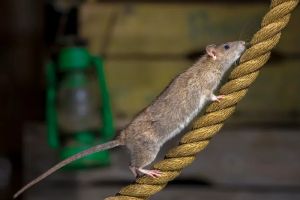
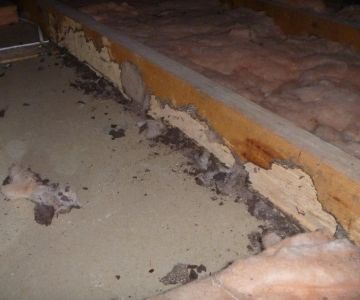
Mice and rats are notorious for entering homes through air ducts. They seek warmth and safety during colder months and can easily navigate through small openings. Rodents can cause damage to your air ducts, wires, and insulation, and they also pose a health risk due to their droppings and urine.
4.2. Cockroaches
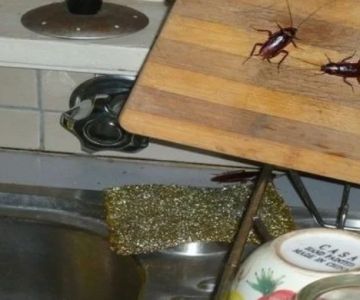
Cockroaches are attracted to the warmth and moisture inside air ducts. Once inside, they can spread throughout your home, contaminating surfaces and triggering allergic reactions in some individuals. Regular cleaning and sealing vents can help prevent their entry.
4.3. Insects
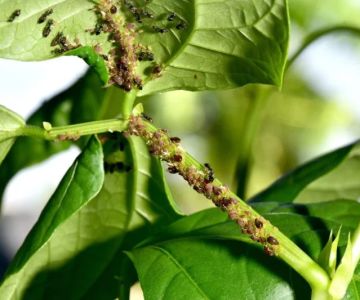
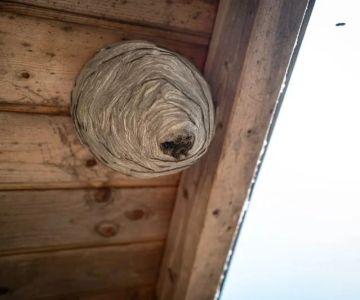
Various types of insects, including ants and termites, can also use air vents as an entry point. These pests often seek shelter or food within the air ducts. While they are less of a concern than rodents, they can still cause significant damage to your home’s structure if left unchecked.
5. Professional Pest Control Solutions
If you find that your DIY efforts aren’t enough to prevent pests from entering via air vents, it may be time to contact a professional pest control service. Experts can conduct a thorough inspection of your HVAC system, identify pest entry points, and implement advanced solutions such as fumigation, sealing, or installing pest barriers.
For effective and long-term pest control, consider reaching out to the professionals at PestControlHub. They offer a range of pest control solutions that can help ensure your air vents and home remain pest-free.
 Absolute Pest Services5.0 (29 reviews)
 Ed's Pest & Wildlife Control, LLC4.0 (183 reviews)
 Mosquito Shield of Northwest Atlanta4.0 (24 reviews)
 Pest Management Services LLC4.0 (19 reviews)
 Anchor Pest Control5.0 (6833 reviews)
 Terminix4.0 (231 reviews)
 How to Prevent Pest Spread Between Units in Apartments: Essential Tips for Apartment Residents
 How to Keep Crawlspaces Dry and Pest-Free: Essential Tips
 How to Evaluate Pest Control Technologies – Expert Guide for U.S. Consumers
 How to Keep Crawlspaces Ventilated & Pest-Resistant: A Complete Guide
 Why Pests Are More Active After Rain: Understanding the Link Between Weather and Pest Behavior
 How to Effectively Deal With Pest Infestations in Subgrades | PestControlHub