
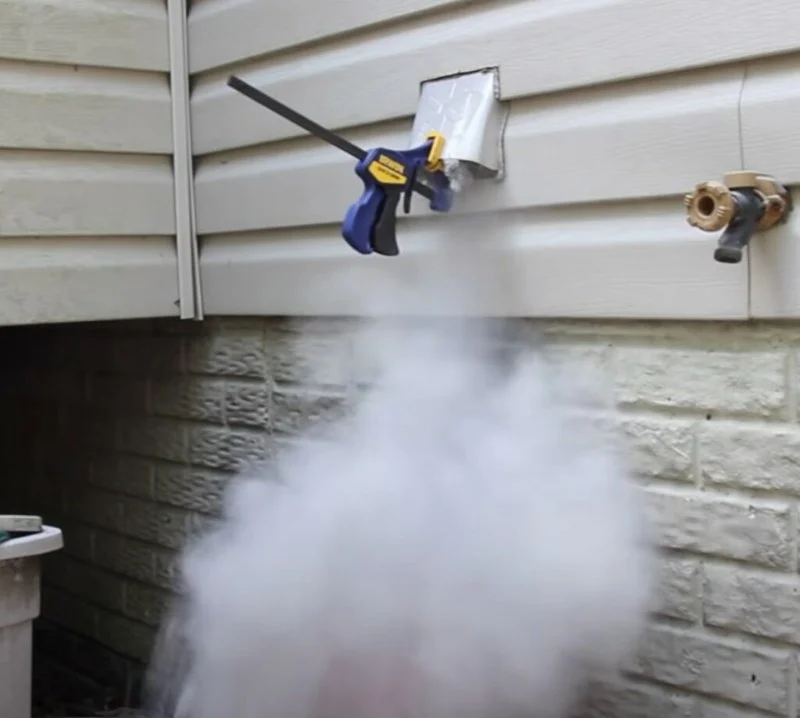
- Understanding-How-Smoke-Tests-Help-Find-Entry-Points
- Preparing-Your-Home-for-a-Smoke-Inspection
- Interpreting-Results-and-Locating-Hidden-Gaps
- Real-Homeowner-Stories-and-Lessons-Learned
- Preventing-Future-Infestations-After-Detection
1. Understanding How Smoke Tests Help Find Entry Points
Knowing how to use smoke tests to reveal pest entry points can be a valuable step in protecting your home. Many pest problems begin with tiny openings that are easy to overlook. These hidden gaps allow insects and rodents to enter quietly, often going unnoticed until the infestation becomes visible.

ASAP MOSQUITO RELIEF LLP
ChapinLexington CountySouth Carolina
285 Chapin Rd unit e, Chapin, SC 29036, USA
1.1 Why Entry Points Are Often Hard to Detect
Pests are skilled at finding even the smallest openings. Cracks near foundations, gaps around pipes, and spaces under doors can all become pathways inside. Since these openings are often hidden behind walls or furniture, they are not always obvious during a quick inspection.

Bay Area Wildlife Solutions
MillvilleSussex CountyDelaware
35715 Atlantic Ave Unit 4, Millville, DE 19967, USA
1.2 How Smoke Makes Hidden Airflow Visible
Smoke testing works by revealing airflow patterns. When smoke is released near potential problem areas, it drifts toward any gaps where air is moving. This visual clue helps homeowners spot locations where pests may be entering.
1.3 Why This Method Is Effective
1. Smoke highlights gaps too small to notice by sight.
2. Air movement often matches pest pathways.
3. It helps identify multiple entry points at once.
This simple concept makes smoke testing a practical tool for discovering hidden vulnerabilities in a home.
2. Preparing Your Home for a Smoke Inspection
Before starting any inspection, it’s important to carefully observe your home’s layout and potential weak spots. Preparation can make the process more accurate and help you identify the most likely areas where pests might enter.
2.1 Areas Worth Checking First
Common problem zones include basements, crawl spaces, attics, and areas around utility lines. These locations often have small gaps that are difficult to see but large enough for insects or rodents to use.
2.2 Creating a Calm Environment for Observation
Turning off fans and reducing indoor air movement helps make smoke patterns easier to observe. When the air is still, even slight airflow becomes noticeable.
2.3 Thinking Like a Pest
1. Look near ground level where rodents might enter.
2. Check areas near food storage spaces.
3. Pay attention to dark or rarely used corners.
Approaching the inspection from a pest’s perspective can help you focus on areas that might otherwise be overlooked.
3. Interpreting Results and Locating Hidden Gaps
Understanding how to use smoke tests to reveal pest entry points is not just about releasing smoke. It’s also about carefully observing how it moves and where it disappears.
3.1 What to Watch for During the Process
If smoke begins to pull toward a certain direction or disappears into a specific spot, it may indicate an opening connected to the outside. These airflow signals can lead you directly to hidden cracks or structural gaps.
3.2 Identifying Common Structural Weak Spots
Areas around windows, doors, and pipes often show the strongest airflow patterns. Over time, weather and wear can create tiny openings that become entry points for pests.
3.3 Turning Observations into Action
1. Mark areas where smoke seems to move quickly.
2. Check both interior and exterior sides of the same location.
3. Plan repairs to seal those spaces.
This step-by-step awareness helps transform simple observations into effective pest prevention.
4. Real Homeowner Stories and Lessons Learned
Many homeowners first learn about smoke testing after facing repeated pest issues. One widely shared story involved a family who struggled with recurring rodent activity despite sealing visible cracks. After carefully observing airflow patterns near their basement, they discovered a hidden opening around a pipe that had gone unnoticed for years.
4.1 A Small Gap That Caused Big Problems
The opening was barely noticeable, but it was enough for pests to get inside. Once it was identified and sealed, the activity decreased significantly. The experience taught them the importance of checking areas that don’t usually get attention.
4.2 Learning Through Observation
Another homeowner shared how smoke patterns revealed a gap behind a cabinet near the kitchen. That discovery helped them understand how pests were reaching food storage areas.
4.3 Why Real Experiences Matter
1. They show how hidden issues can exist even in clean homes.
2. They highlight the value of detailed inspections.
3. They encourage proactive prevention instead of reactive solutions.
These stories demonstrate that even small discoveries can lead to major improvements in home protection.
5. Preventing Future Infestations After Detection
Once entry points are identified, the next step is keeping them sealed and maintaining a pest-resistant home. Prevention is often more effective and less stressful than dealing with ongoing infestations.
5.1 Sealing and Maintaining Vulnerable Areas
Regularly checking around windows, foundations, and utility openings helps ensure new gaps don’t form. Seasonal changes can cause materials to shift, which may create new entry points over time.
5.2 Building Long-Term Awareness
Homeowners who stay aware of structural changes are more likely to catch problems early. Simple routine inspections can make a big difference in keeping pests out.
5.3 Finding Reliable Support and Resources
1. Explore expert guidance for prevention strategies.
2. Learn about materials that help block common entry points.
3. Stay informed about pest behavior and seasonal risks.
Many homeowners turn to PestControlHub to find helpful products, services, and advice that support long-term pest prevention and home protection efforts.


 Detect Termite and Services & The BrickKicker of Hampton Roads4.0 (225 reviews)
 Evergreen Pest Solutions4.0 (3581 reviews)
 Swat Pest Management, Inc.4.0 (2421 reviews)
 Aptive Pest Control4.0 (4712 reviews)
 RK Thermal Remediation0.0 (0 reviews)
 proof. Pest Control4.0 (71 reviews)
 How to Safely Relocate Wildlife (Skunks, Opossums, Birds): A Comprehensive Guide
 How to Track Pest Control ROI for Homeowners
 How to Use Misting Systems to Control Mosquitoes
 How to Control Pests in Underground Crawl Spaces: A Comprehensive Guide
 How to Handle Pest Damage Claims With Insurance
 How to Use Low-Toxicity Sprays in Sensitive Areas – Safe Pest Control Solutions