
- Understanding-Why-Pests-Use-Voids
- Common-Signs-of-Hidden-Pest-Activity
- Effective-Ways-to-Observe-and-Track-Movement
- Real-Homeowner-Stories-and-Lessons
- Long-Term-Prevention-and-Maintenance
Understanding Why Pests Use Voids
Learning How to Monitor Pest Activity in Voids is an essential step for homeowners who want to protect their property from hidden infestations. Wall cavities, ceiling spaces, crawl areas, and structural gaps create safe, dark environments where pests can live undetected for long periods.

Turf Medic
North Myrtle BeachHorry CountySouth Carolina
901 James Island Ave, North Myrtle Beach, SC 29582, USA
1. What Are Structural Voids
Voids are empty spaces within walls, under floors, or above ceilings. These areas provide shelter, warmth, and protection, making them ideal hiding spots for insects and small animals.
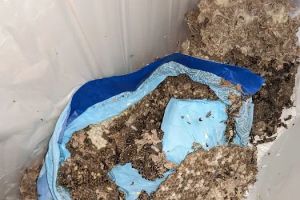
1.1 Why Pests Prefer Hidden Spaces
Many pests naturally avoid open areas. Inside structural gaps, they can move quietly without being seen, build nests, and search for food sources nearby.
1.2 Entry Points That Lead to Infestation
Tiny cracks, utility openings, and gaps around pipes often allow pests to enter voids. Once inside, they may spread through different parts of the structure.
2. The Importance of Early Detection
Spotting activity early prevents more serious problems. Monitoring these spaces helps identify movement before it leads to major damage or costly repairs.
Common Signs of Hidden Pest Activity
Understanding How to Monitor Pest Activity in Voids starts with recognizing subtle warning signs. Because these areas are not visible, the clues are often indirect.
1. Unusual Sounds Inside Walls
Scratching, light tapping, or rustling noises can indicate movement behind walls or ceilings. These sounds often become more noticeable at night.
1.1 Patterns of Activity
Consistent sounds at certain times may suggest that pests are traveling along hidden pathways within the structure.
1.2 Seasonal Changes
Activity may increase during colder months when pests search for warmth indoors.
2. Visual Indicators Around the Home
Even when pests remain hidden, they may leave behind evidence near entry points.
2.1 Small Debris or Dust
Fine particles near baseboards or around vents can signal movement inside voids.
2.2 Unusual Odors
A musty or persistent smell in certain areas may suggest nesting or long-term presence.
Effective Ways to Observe and Track Movement
Homeowners interested in How to Monitor Pest Activity in Voids often rely on consistent observation and careful inspection to understand what’s happening behind surfaces.
1. Routine Inspections
Regularly checking areas around pipes, attics, and basements helps identify signs early.
1.1 Checking High-Risk Areas
Spaces near kitchens, bathrooms, and storage areas are more likely to attract pests because of warmth and moisture.
1.2 Monitoring Changes Over Time
Tracking patterns helps determine whether activity is increasing or decreasing.
2. Professional Insight and Tools
Some homeowners choose to consult professionals who specialize in structural inspections. Many also explore products and solutions through PestControlHub to better understand safe monitoring options suited to different home layouts.
2.1 Understanding Movement Patterns
Experts often study where activity is most concentrated to determine how pests are navigating hidden spaces.
2.2 Documenting Observations
Keeping notes about sounds, timing, and locations can help identify trends and improve response strategies.
Real Homeowner Stories and Lessons
Many homeowners across the United States have shared experiences about discovering hidden pest activity. These stories highlight why awareness and monitoring matter.
1. A Family’s Unexpected Discovery
A homeowner in Texas noticed faint scratching sounds coming from a wall behind the kitchen. At first, the noise seemed random, but it became more frequent. After checking the surrounding areas, they realized the activity was concentrated near a small gap behind an appliance.
1.1 The Value of Paying Attention
The early signs helped them take action before the issue spread to other parts of the home.
2. Learning Through Experience
Another homeowner in Illinois described noticing a slight musty odor in an upstairs room. After monitoring the area over time, they realized the smell was strongest near a vent. This observation helped them identify a hidden problem they might otherwise have missed.
2.1 Small Clues Matter
In many cases, small details lead to early detection and prevent larger issues.
Long Term Prevention and Maintenance
While learning How to Monitor Pest Activity in Voids is important, prevention plays an equally valuable role in protecting a home.
1. Sealing Potential Entry Points
Maintaining a home’s structure reduces the chances of pests entering hidden areas.
1.1 Inspecting Gaps and Cracks
Checking for openings around windows, doors, and utility lines can help reduce access points.
1.2 Maintaining Clean Surroundings
Keeping storage areas organized and free from excess clutter makes hidden spaces less appealing.
2. Staying Proactive
Regular observation and awareness are key to long-term protection.
2.1 Seasonal Checkups
Inspecting attics, basements, and crawl spaces during seasonal changes helps detect early signs.
2.2 Building a Monitoring Habit
Developing a routine for checking key areas ensures that potential problems are noticed before they become serious. With careful attention and consistent monitoring, homeowners can stay ahead of hidden pest activity and maintain a safer living environment.

 Terminator X5.0 (1 reviews)
 Palmetto Exterminators, Inc.4.0 (531 reviews)
 Pointe Pest Control4.0 (1369 reviews)
 Forsyth Exterminating4.0 (461 reviews)
 Scenic City Pest Control Solutions4.0 (8 reviews)
 Turf Doctor Lawn & Pest Services4.0 (708 reviews)
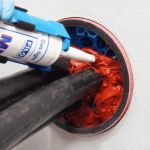 How to Seal Entry Points Around Piping
 How to Use Targeted Barrier Treatments for Effective Pest Control
 How to Reduce Pest Attraction Through Landscaping
 How to Inspect for Pests After Heavy Rain | PestControlHub
 How to Stage a Pest Control Plan for New Homeowners
 How to Prevent Pest Infestations in Flower Beds: Expert Tips for Healthy Gardens