
1. Understanding the Importance of Preventative Barriers
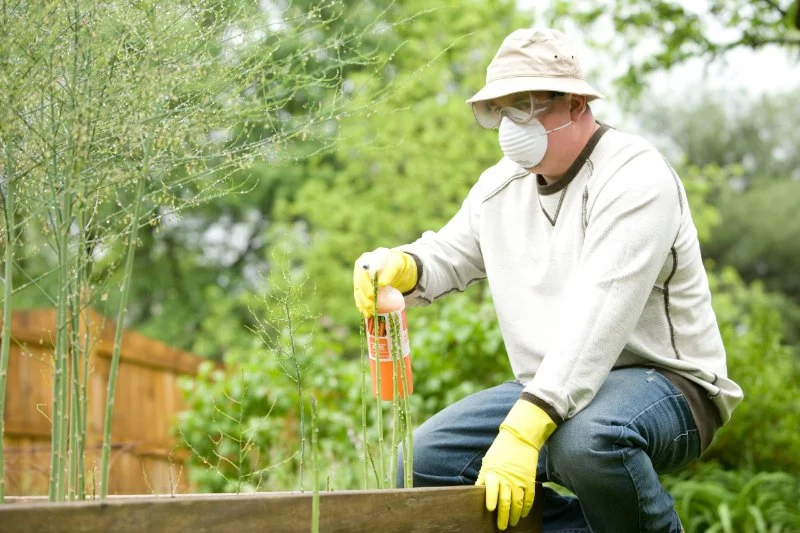
As the weather warms up and the pests start to become more active, it's crucial to take steps to prevent them from entering your home. One of the most effective methods is using preventative barriers. These barriers can be physical, chemical, or even natural, and they help create a defense system around your home. Setting up these barriers before pest season begins can save you time, money, and headaches in the long run.
2. What Are Preventative Barriers?
Preventative barriers are measures you take around your home to keep pests from entering. These barriers can be physical or chemical and can range from simple DIY projects to professional pest control solutions. The key is to address common entry points where pests tend to invade your home, such as cracks, vents, doors, and windows. The right preventative measures can greatly reduce the likelihood of an infestation.

3. Types of Preventative Barriers
There are various types of preventative barriers you can use depending on your needs, the type of pests you're dealing with, and the level of protection you want. Here are some common methods:
3.1 Physical Barriers
Physical barriers are tangible, often DIY solutions that block pests from entering your home. Examples include:
3.1.1 Sealing Cracks and Gaps
Pests love to sneak through small cracks and gaps in walls, windows, and doors. Use caulking, weather stripping, or expanding foam to seal any holes around your home’s foundation. This is an easy, cost-effective solution to prevent pests from slipping through unnoticed.
3.1.2 Installing Mesh Screens
Another effective physical barrier is installing fine mesh screens on windows, doors, and vents. These screens can prevent flying insects like mosquitoes and flies from entering your home while still allowing air to circulate. Make sure the mesh is tightly fitted and doesn't have any holes to ensure it functions properly.
3.2 Chemical Barriers
Chemical barriers are often used to target specific pests or provide an added layer of protection. These barriers can be in the form of pesticides, sprays, or granules. They are typically applied around the perimeter of your home or in areas prone to infestations.
3.2.1 Pesticide Sprays
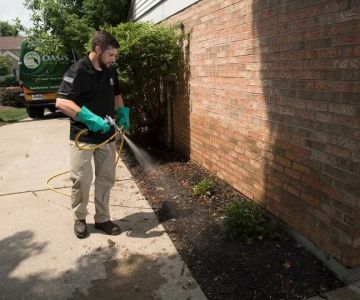
Using an insecticide spray around the foundation of your house can help kill or repel pests before they can enter. Be sure to follow the product’s instructions for safe application, especially if you have pets or small children in the household.
3.2.2 Granular Treatments
Granular pest control products can be scattered around your yard to act as a barrier for pests. These are especially effective for controlling outdoor pests like ants, termites, and fleas. Apply these treatments in the early spring to create an effective shield before pest season begins.
3.3 Natural Barriers
For homeowners looking for an eco-friendly approach, natural barriers are a great option. These solutions often use plant-based or organic materials to repel pests without harmful chemicals.
3.3.1 Essential Oils
Essential oils like peppermint, citronella, and eucalyptus are known to repel pests like ants, spiders, and mosquitoes. You can create a natural spray by mixing a few drops of these oils with water in a spray bottle. Spraying this mixture around windows, doors, and entryways can help keep pests at bay.
3.3.2 Diatomaceous Earth
Diatomaceous earth is a natural powder that can be sprinkled around the foundation of your house. It works by dehydrating pests like ants, fleas, and cockroaches. It’s non-toxic and safe for pets and children, making it an excellent option for eco-conscious pest prevention.
4. Best Time to Set Up Preventative Barriers
Timing is key when setting up preventative barriers. It's best to start preparing your home a few weeks before the peak of pest season, which typically starts in spring and can last through early fall, depending on your location. Taking action early ensures that you can create an effective defense before pests have a chance to infiltrate your home.
4.1 Early Spring Preparation
As temperatures rise, pests become more active. Spring is the best time to implement preventative barriers, especially if you live in an area prone to termites, ants, or mosquitoes. Check your home for potential entry points and begin sealing cracks and applying treatments around the perimeter.
4.2 Pre-Summer Maintenance
Just before summer, when pests are in full force, it’s a good idea to reapply any chemical or natural treatments around your yard and home. This will reinforce the barriers and keep pests from finding new ways to enter as the season progresses.
5. Real-Life Case: How Preventative Barriers Saved a Home from a Pest Infestation
One homeowner, Sarah, noticed a sudden increase in ants around her kitchen every summer. She decided to take preventative action before the next pest season. By sealing cracks in her walls, installing mesh screens on her windows, and applying a natural diatomaceous earth treatment around the perimeter, Sarah was able to avoid an ant infestation the following year. Her proactive approach saved her from spending money on expensive pest control services later on.
6. How to Choose the Best Preventative Barriers for Your Home
When selecting preventative barriers, consider the type of pests you're dealing with, your budget, and your personal preferences. For example, if you have pets or young children, you may prefer natural options like essential oils and diatomaceous earth over chemical pesticides. If you're dealing with a more severe pest problem, a professional pest control service might be the best option. Visit PestControlHub for expert advice on selecting the right pest prevention products and services tailored to your needs.
7. Conclusion
Using preventative barriers before pest season is a proactive and effective way to protect your home from unwanted invaders. Whether you choose physical, chemical, or natural barriers, the key is to start early and stay consistent. By taking these steps, you can ensure that your home remains pest-free all year long. For more pest control tips and products, visit PestControlHub, your go-to resource for everything related to pest prevention.


 Precision Wildlife Services4.0 (23 reviews)
 Greenix Pest Control4.0 (736 reviews)
 EcoShield Pest Solutions4.0 (1037 reviews)
 KG Pest Management5.0 (19 reviews)
 Brown Pest Control Inc4.0 (230 reviews)
 Mosquito Menace5.0 (3 reviews)
 How to Prevent Pest Issues During Home Staging | PestControlHub
 How to Treat Pest Infestations in Attic Insulation
 How to Inspect Second-Hand Furniture for Pests: Expert Tips for a Pest-Free Home
 How to Detect and Control Termites on a Budget – Affordable Prevention and Treatment
 How to Create a Pest-Resistant Garden
 How to Plan Pest Control After Flood Damage