How Pest Control Works in Multi-Family Homes
- 1. Understanding Pest Control in Multi-Family Homes
- 2. Common Pests in Multi-Family Homes
- 3. Effective Pest Control Strategies for Apartments
- 4. Importance of Coordination Between Units
- 5. Maintaining Long-Term Pest Control
- 6. Where to Find Pest Control Services for Multi-Family Properties
1. Understanding Pest Control in Multi-Family Homes
Managing pests in multi-family homes, such as apartments, condominiums, and townhouses, presents unique challenges compared to single-family homes. The close proximity of units, shared walls, and common spaces provide easier access for pests to travel from one unit to another. Effective pest control in multi-family homes involves coordinated efforts, preventative measures, and regular monitoring to ensure that all residents enjoy a pest-free living environment.
Shield Pest Appalachia
Johnson CityWashington CountyTennessee
1300 University Pkwy, Johnson City, TN 37604, USA
2. Common Pests in Multi-Family Homes
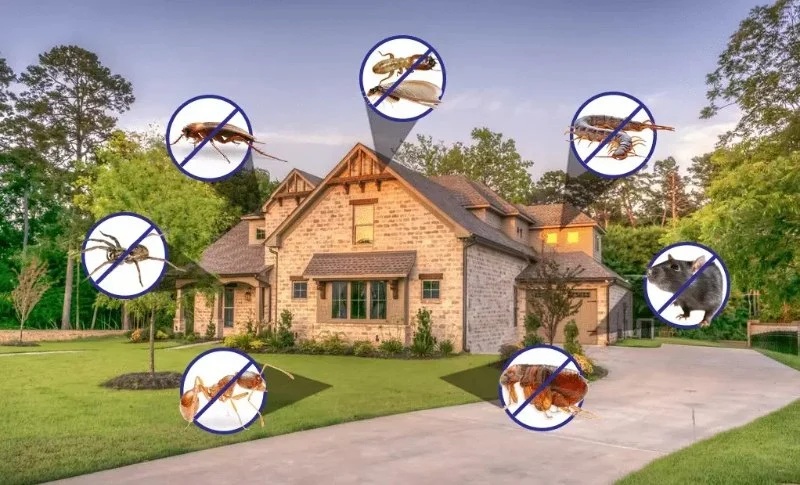
Several types of pests are commonly found in multi-family homes. The most frequent offenders include:
2.1. Cockroaches
Cockroaches are one of the most common pests in apartment buildings due to their ability to move between units through plumbing, pipes, and walls. They thrive in warm, moist environments, making kitchens and bathrooms prime targets.
2.2. Bed Bugs
Bed bugs are notorious for spreading quickly in multi-family buildings. They are easily transmitted through shared furniture, walls, and even the HVAC system. Their bites can cause discomfort and health concerns, making them a top priority for pest control.
2.3. Rodents
Rodents, such as rats and mice, are often attracted to food and water sources found in shared areas like trash rooms or basements. They can also enter homes through cracks in walls or windows and travel between apartments via pipes and ductwork.
2.4. Ants and Termites
Ants are often attracted to food crumbs, making kitchens a prime target. Termites, on the other hand, can cause significant structural damage to buildings if not controlled early. Both pests are commonly found in multi-family homes, particularly in older buildings.
3. Effective Pest Control Strategies for Apartments
Successful pest control in multi-family homes requires a combination of prevention, monitoring, and immediate action when pests are detected. Here are some effective strategies:
3.1. Regular Inspections
Frequent inspections are essential to detect signs of pest infestations early. Professional pest control services should inspect the common areas and individual units regularly. Early detection allows for quicker intervention before the problem spreads.
3.2. Sealing Entry Points
Sealing cracks and gaps around windows, doors, and plumbing is one of the most effective ways to prevent pests from entering the building. Ensure that these areas are properly caulked or sealed to reduce the risk of infestations.
3.3. Proper Waste Management
Improper waste disposal is a major factor that attracts pests. Make sure that trash bins are regularly emptied, and all garbage is stored in tightly sealed containers. Additionally, consider placing trash bins away from entry points to prevent pests from accessing them.
3.4. Educating Residents
Educating residents about proper food storage, trash management, and cleanliness is essential in preventing pest infestations. Residents should be informed about how to spot early signs of pests and how to handle any issues that arise in their units.
4. Importance of Coordination Between Units
In multi-family homes, the success of pest control efforts often depends on the cooperation between residents and property managers. If one unit is infested with pests, it can easily spread to other units through walls, pipes, or common areas. Coordinating pest control efforts, such as scheduling treatments for multiple units at once, helps to prevent pests from migrating between spaces and reduces the risk of recurring infestations.
5. Maintaining Long-Term Pest Control
Ongoing pest control efforts are necessary to keep multi-family homes pest-free over the long term. Regular treatments and consistent monitoring are key to preventing pests from returning. Additionally, implementing an Integrated Pest Management (IPM) approach, which focuses on using environmentally friendly techniques such as traps, baits, and physical barriers, can reduce the reliance on chemical treatments while still controlling pests effectively.
6. Where to Find Pest Control Services for Multi-Family Properties
If you're looking for reliable pest control services for your multi-family property, it's essential to choose a company that specializes in managing pest issues in apartment buildings and other shared housing. Visit PestControlHub for a curated list of trusted pest control providers that offer tailored solutions for multi-family homes. From regular inspections to emergency treatments, PestControlHub connects you with professionals who can ensure your property remains pest-free.
 Accutech Pest Management4.0 (187 reviews)
 Orkin4.0 (1335 reviews)
 Sudden Death Termite & Pest Control, LLC4.0 (106 reviews)
 A Amendt Pest Control Co Inc5.0 (17 reviews)
 scapegoat landscaping LLC4.0 (72 reviews)
 Guardian Pest Control0.0 (0 reviews)
 How to Prevent Pest Spread via Firewood: Essential Tips for Protecting Your Home
 How to Repair Structural Damage Caused by Pests
 How to Control Pest Populations After a Natural Disaster: Effective Strategies
 How to Monitor Pest Trends Locally
 How to Use Low Impact Treatments in Sensitive Areas for Effective Pest Control
 How to Maintain Pest-Free Schools and Daycares