
Why Sealing Cracks and Gaps is Crucial
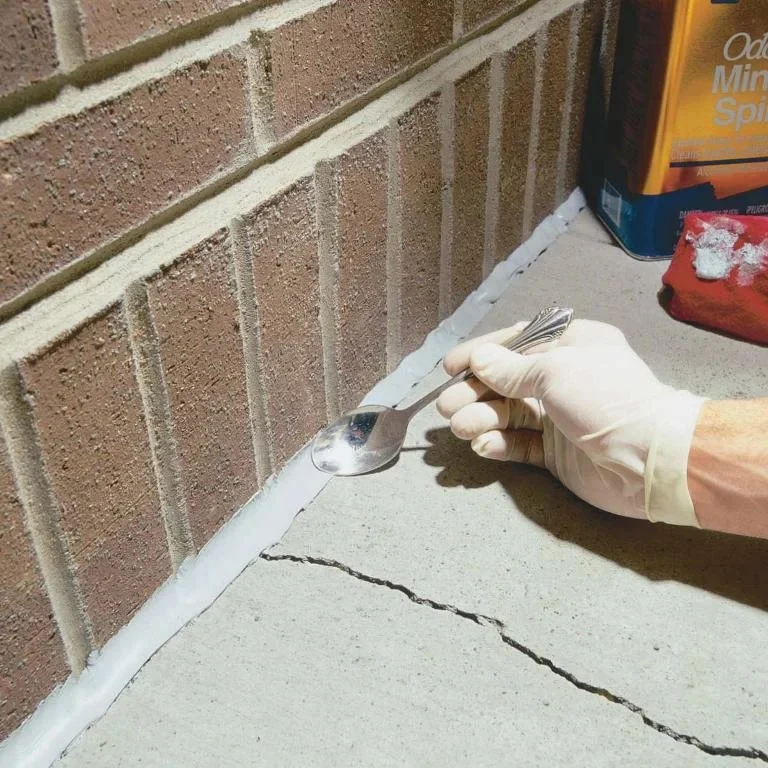
Cracks and gaps around windows, doors, and other entry points may seem like minor issues, but they can be an open invitation for insects to enter your home. Not only do these gaps allow pests like ants, cockroaches, and spiders to invade, but they can also affect your home's energy efficiency by letting warm or cool air escape. Sealing these cracks is essential for both pest control and overall home maintenance.

Impact of Insects in Your Home
Insects can cause a range of problems in the home. Besides being a nuisance, some pests, like termites, can damage your property, while others, like mosquitoes, can introduce diseases. Sealing cracks and gaps helps to prevent these unwanted intruders and ensures a cleaner, healthier environment for your family.

Common Insect Entry Points
Insects often enter homes through small, unnoticed gaps and cracks. Knowing where these entry points are can help you target your efforts and effectively keep pests out. Here are some common places where insects typically enter your home:
1. Windows and Doors
Windows and doors are among the most common entry points for insects, especially if the seals are damaged or degraded. Tiny cracks or gaps around window frames or door thresholds can provide easy access for pests.
2. Plumbing and Electrical Fixtures
Insects often use plumbing and electrical outlets as pathways to get inside. Gaps around pipes and wires entering your home can become entry points for a variety of pests, including ants and cockroaches.
3. Vents and Air Ducts
Air vents and ducts, especially if they are poorly sealed or have gaps, can be ideal entry points for insects. These openings often go unnoticed, but they provide pests with easy access to your home from the outside.
4. Attics and Basements
Attics and basements are often overlooked when it comes to sealing, but they are common areas where pests enter. Small cracks or gaps in the foundation or walls, as well as openings around vents, can allow insects to make their way inside.
How to Seal Cracks and Gaps
Sealing cracks and gaps doesn’t have to be difficult. Here’s a step-by-step guide to help you get started:
1. Inspect Your Home
Start by walking around your home and inspecting potential entry points for insects. Use a flashlight to look for small cracks, holes, and gaps around windows, doors, and other vulnerable areas. Pay close attention to areas around plumbing and electrical fixtures, as well as vents and air ducts.
2. Clean and Prepare the Surface
Before sealing any gaps, clean the surface around the crack or gap. Remove any dirt, dust, or debris that may prevent the sealant from adhering properly. Use a brush or vacuum to clean the area thoroughly.
3. Apply Sealant
Once the area is clean, apply the appropriate sealant. For smaller cracks, use caulk or weatherstripping. For larger gaps, consider using expandable foam or spray sealant. Be sure to apply the sealant evenly and smooth it out to fill the entire gap.
4. Allow Sealant to Dry
After applying the sealant, allow it to dry completely before touching or painting over it. This will ensure that the gap is sealed effectively and securely.
5. Test for Leaks
Once the sealant has dried, test the area for leaks. You can do this by turning on a small fan or using a smoke test (lighting a small piece of incense and moving it near the sealed area). If the smoke is diverted, the gap is properly sealed.
Choosing the Right Sealing Material
Choosing the right material for sealing cracks and gaps is essential for long-lasting results. The material you use will depend on the type and location of the gap. Here are some common sealing materials:
1. Caulk
Caulk is perfect for sealing small gaps around windows, doors, and trim. It is flexible, easy to apply, and comes in a variety of colors to match your home’s exterior or interior.
2. Weatherstripping
Weatherstripping is ideal for sealing gaps around doors and windows. It can be installed on both the interior and exterior of your home to prevent drafts and pest entry.
3. Expanding Foam
Expanding foam is a great option for larger gaps or cracks in your home’s foundation. It expands to fill the gap and hardens over time, providing a durable seal that prevents pests from entering.
4. Silicone Sealant
Silicone sealant is waterproof and highly durable, making it ideal for areas exposed to moisture, such as around plumbing or bathroom fixtures. It’s also great for sealing gaps around windows and doors.
Real-Life Case: Preventing Insects with Sealing
Consider the story of the Johnson family, who struggled with ants invading their kitchen every summer. After realizing that small gaps around their windows and plumbing were the entry points, they decided to seal them using weatherstripping and silicone sealant. Within days, they noticed a significant reduction in pests inside their home. The Johnsons were relieved to find that with a few simple steps, they were able to eliminate the source of the problem and prevent future insect infestations.


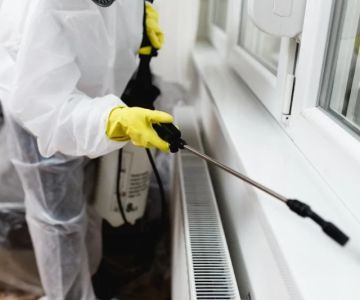
 WDI-Inspector5.0 (146 reviews)
 Total Exterminating Services4.0 (40 reviews)
 Pilgrim Pest Professionals4.0 (174 reviews)
 Massey Services Pest Control4.0 (131 reviews)
 Bed Bug Heater Rentals Oh4.0 (48 reviews)
 Kapp's Green Lawn4.0 (359 reviews)
 How to Remove Wasps Without Getting Stung: Safe and Effective Methods
 How to Monitor Pest Conditions in Crawlspaces
 How to Detect Termites Under Slab Foundations
 How to Monitor Pest Activity in Voids
 How to Block Pest Entry Around Deck Joists: Effective Solutions
 How to Keep Flies Out of Your House in the Summer – Effective Tips