
- 1-Why-Crawl-Spaces-Attract-Pests
- 2-Common-Pests-Found-in-Crawl-Spaces
- 3-How-to-Inspect-Your-Crawl-Space-Properly
- 4-Effective-Prevention-Methods-for-Long-Term-Control
- 5-Treatment-Options-for-Existing-Infestations
- 6-Real-Home-Infestation-Case-Study
- 7-Professional-Tips-for-Ongoing-Protection
1. Why Crawl Spaces Attract Pests
Crawl spaces are often out of sight, which unfortunately makes them ideal environments for pests. Understanding how to control pests in crawl spaces begins with knowing why these areas are so appealing in the first place.
1. Crawl spaces tend to be dark, quiet, and undisturbed.
2. Moisture accumulation creates a perfect habitat for insects.
3. Small openings around foundations allow easy entry for rodents.
Many homeowners only realize there is a problem when it spreads into living areas. By then, the issue may already be extensive and costly.

Next Generation Pest Control
RutherfordBergen CountyNew Jersey
372 Riverside Ave, Rutherford, NJ 07070, USA
2. Common Pests Found in Crawl Spaces
Different types of pests are drawn to crawl spaces depending on conditions like humidity and accessibility.
2.1 Rodents
1. Mice and rats enter through small gaps in the foundation.
2. They build nests using insulation and debris.
3. They can damage wiring and create health risks.
2.2 Insects
1. Termites thrive in moist wood structures.
2. Ants often establish colonies near foundations.
3. Cockroaches are attracted to damp, dark conditions.
2.3 Wildlife
1. Animals like raccoons or squirrels may enter larger openings.
2. They can cause structural damage and contamination.
3. Their presence often leads to secondary pest issues.
3. How to Inspect Your Crawl Space Properly
Before applying any solution, a thorough inspection is essential to identify the source and extent of the problem.
3.1 Signs of infestation
1. Droppings, gnaw marks, or nesting materials.
2. Musty odors indicating mold or pest activity.
3. Visible insects or structural damage.
3.2 Entry point identification
1. Check for cracks in the foundation walls.
2. Inspect vents and utility openings.
3. Look for gaps around pipes and wiring.
3.3 Moisture evaluation
1. Assess humidity levels and standing water.
2. Check for leaks or poor drainage.
3. Identify areas where condensation builds up.
Many homeowners turn to PestControlHub for guidance when identifying these hidden issues and determining the best course of action.
4. Effective Prevention Methods for Long-Term Control
The most reliable way to control pests is to prevent them from entering in the first place. Long-term solutions focus on eliminating the conditions that attract pests.
4.1 Sealing entry points
1. Use caulk or foam to close small gaps.
2. Install mesh screens over vents.
3. Repair damaged foundation areas.
4.2 Moisture control
1. Install a vapor barrier to reduce humidity.
2. Improve drainage around the home.
3. Use dehumidifiers if necessary.
4.3 Proper insulation and ventilation
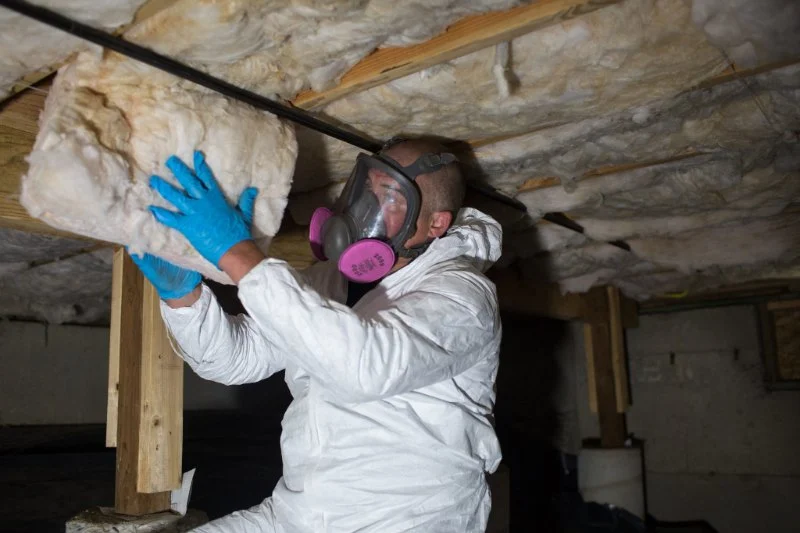
1. Replace damaged insulation that may harbor pests.
2. Ensure proper airflow to prevent damp conditions.
3. Maintain consistent temperature levels.
5. Treatment Options for Existing Infestations
If pests are already present, targeted treatment is necessary to eliminate them effectively.
5.1 Traps and bait systems
1. Use traps for rodents in high-activity areas.
2. Apply bait stations strategically.
3. Monitor regularly for effectiveness.
5.2 Chemical treatments
1. Use insecticides for termites and ants.
2. Apply treatments carefully to avoid contamination.
3. Follow safety guidelines strictly.
5.3 Professional intervention
1. Severe infestations often require expert services.
2. Professionals can identify hidden colonies.
3. Long-term solutions are more reliable when handled by experts.
6. Real Home Infestation Case Study
A homeowner in the southeastern United States discovered a persistent musty smell coming from their floors. After months of ignoring it, they finally inspected their crawl space and found a severe rodent infestation combined with moisture damage.
1. The crawl space had multiple unsealed entry points.
2. Standing water created ideal conditions for pests.
3. Insulation was heavily damaged and contaminated.
After sealing the space, installing a vapor barrier, and implementing pest control measures, the problem was completely resolved. This case highlights how early intervention can prevent more serious structural and health issues.
7. Professional Tips for Ongoing Protection
Maintaining a pest-free crawl space requires consistent attention and proactive care.
7.1 Regular inspections
1. Check your crawl space at least twice a year.
2. Monitor for new entry points or moisture issues.
7.2 Environmental management
1. Keep surrounding areas clean and free of debris.
2. Trim vegetation away from the foundation.
7.3 Stay proactive
1. Address minor issues before they escalate.
2. Use preventive treatments when necessary.
3. Seek expert advice for long-term solutions.
For homeowners serious about protecting their property, exploring tools, services, and expert recommendations through PestControlHub can provide valuable support in maintaining a pest-free crawl space year-round.

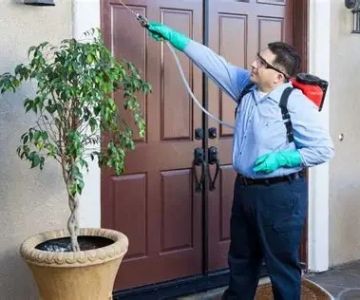


 Bauer Family Pest Control, Inc.5.0 (3 reviews)
 A-1 Pest Control5.0 (118 reviews)
 Friendly Pest Control5.0 (1 reviews)
 MOSQUITO ENEMY4.0 (192 reviews)
 Terminix4.0 (678 reviews)
 Masters Touch Pest Solutions- A Division of Viking Pest Control4.0 (414 reviews)
 How to Reduce Pest Attraction to Bird Feeders | Pest Control Tips
 How to Monitor Pest Trends After Treatment for Effective Control
 How to Use Solar Pest Control Devices
 How to Use Low-Toxic Baits for Rodents: A Safer Way to Control Pests
 How to Spot Pest Activity in Wall Voids: Signs & Prevention Tips
 How to Use Smart Devices to Track Pest Locations